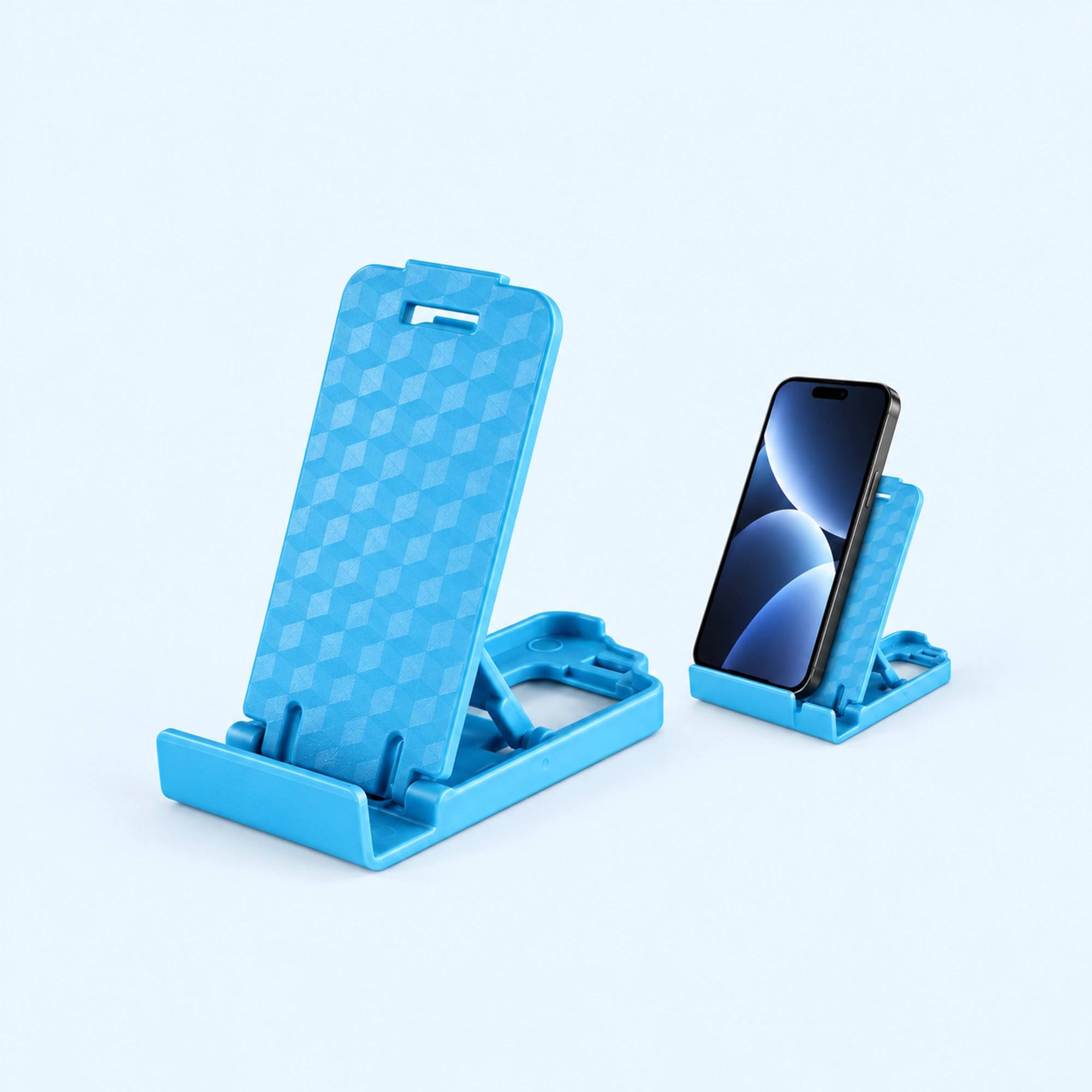
 Blue Four-Position Folding Desk Stand | Adjustable Foldable Phone Stand
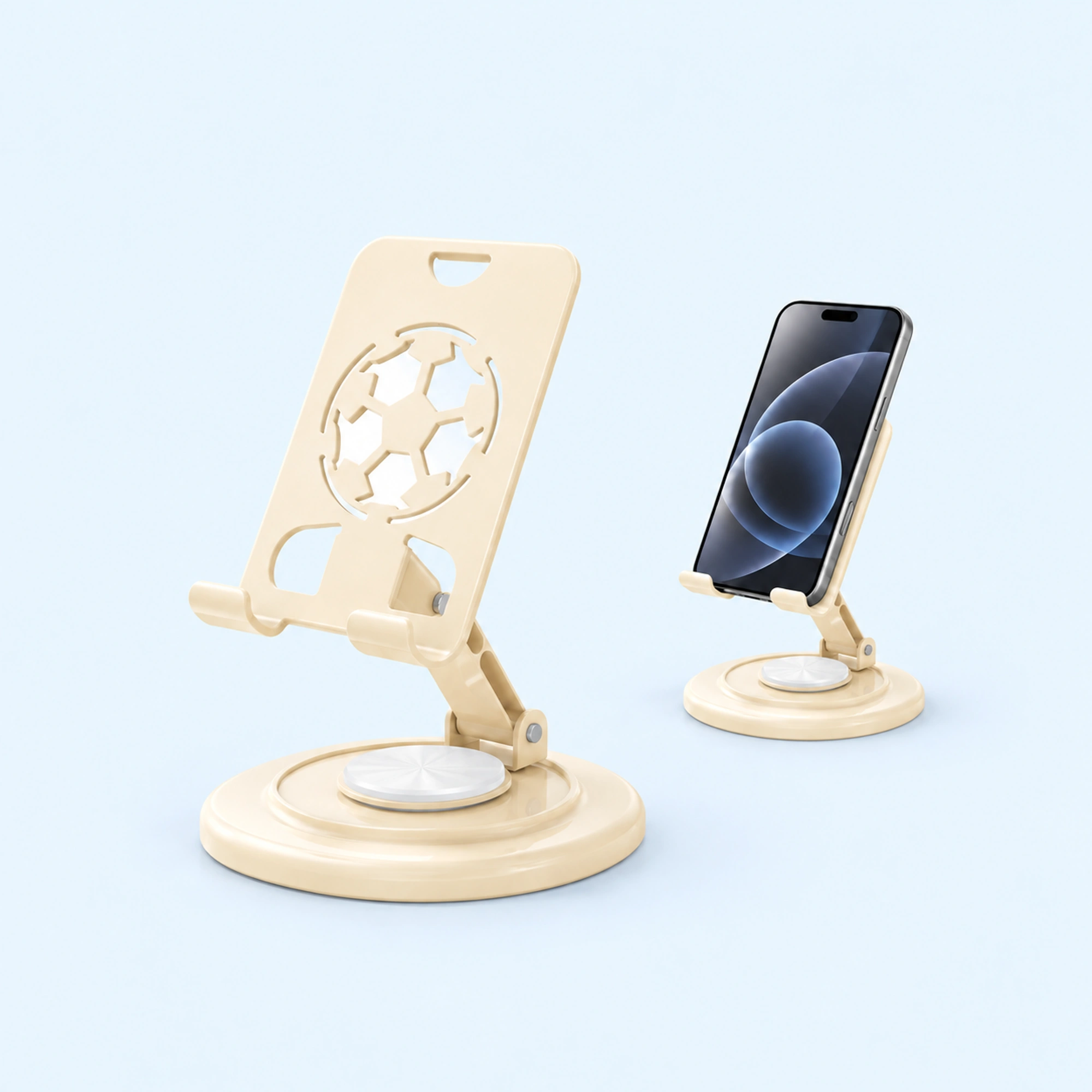 Cream Round-Base Folding Phone Stand | Foldable Phone Stand
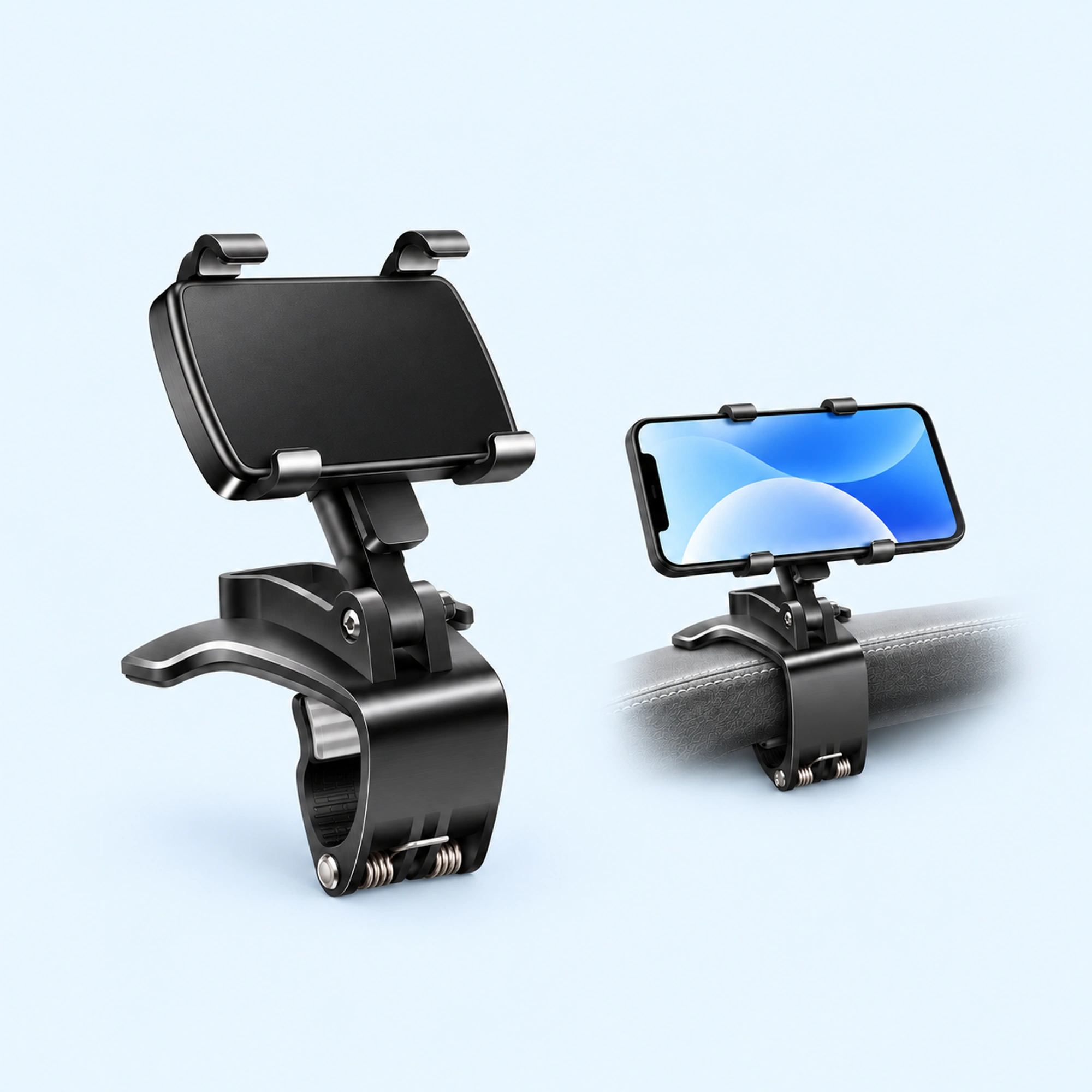 Dashboard Edge Clip Phone Holder | Dashboard Phone Holder
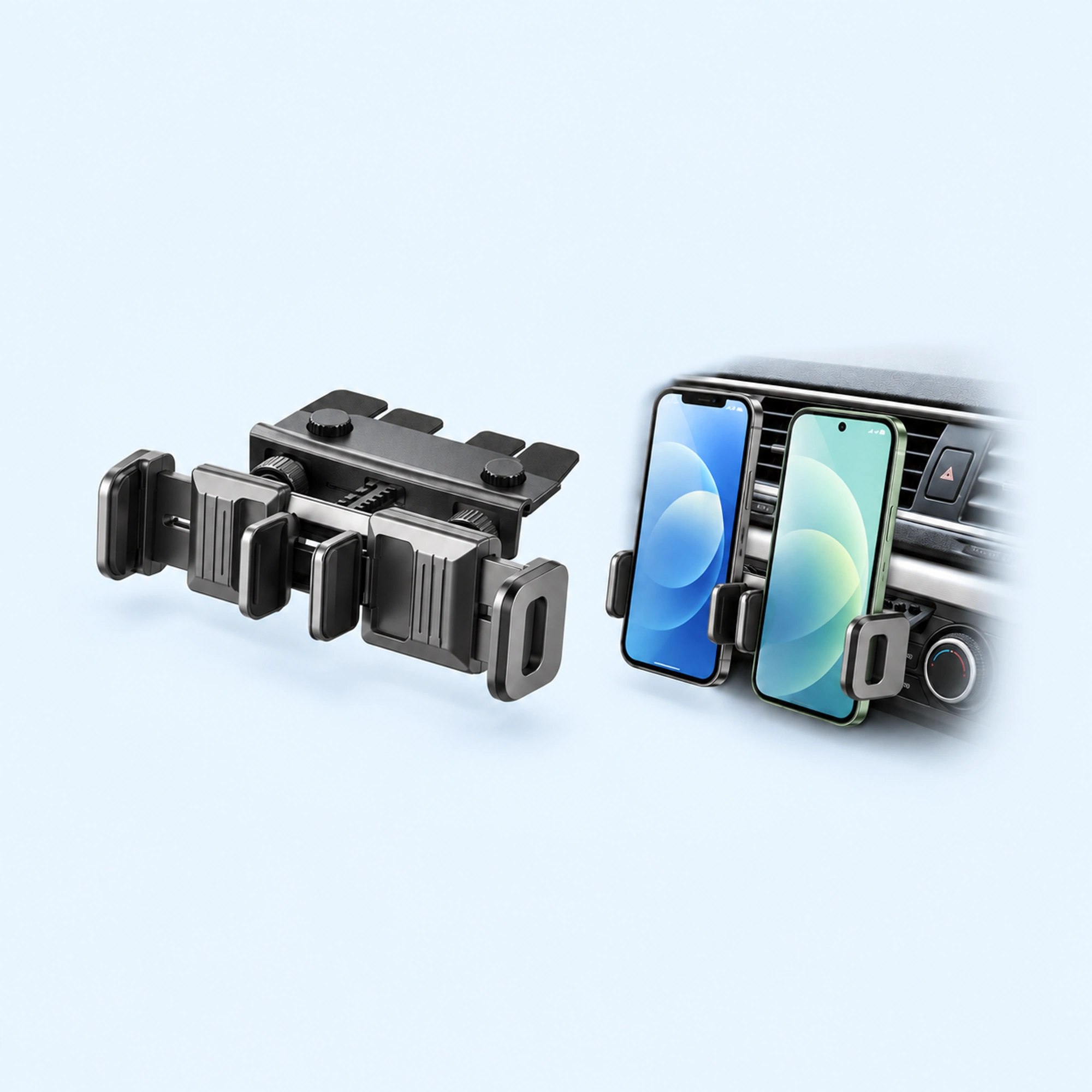 Dual-Cradle CD-Slot Phone Mount | Cd Phone Holder
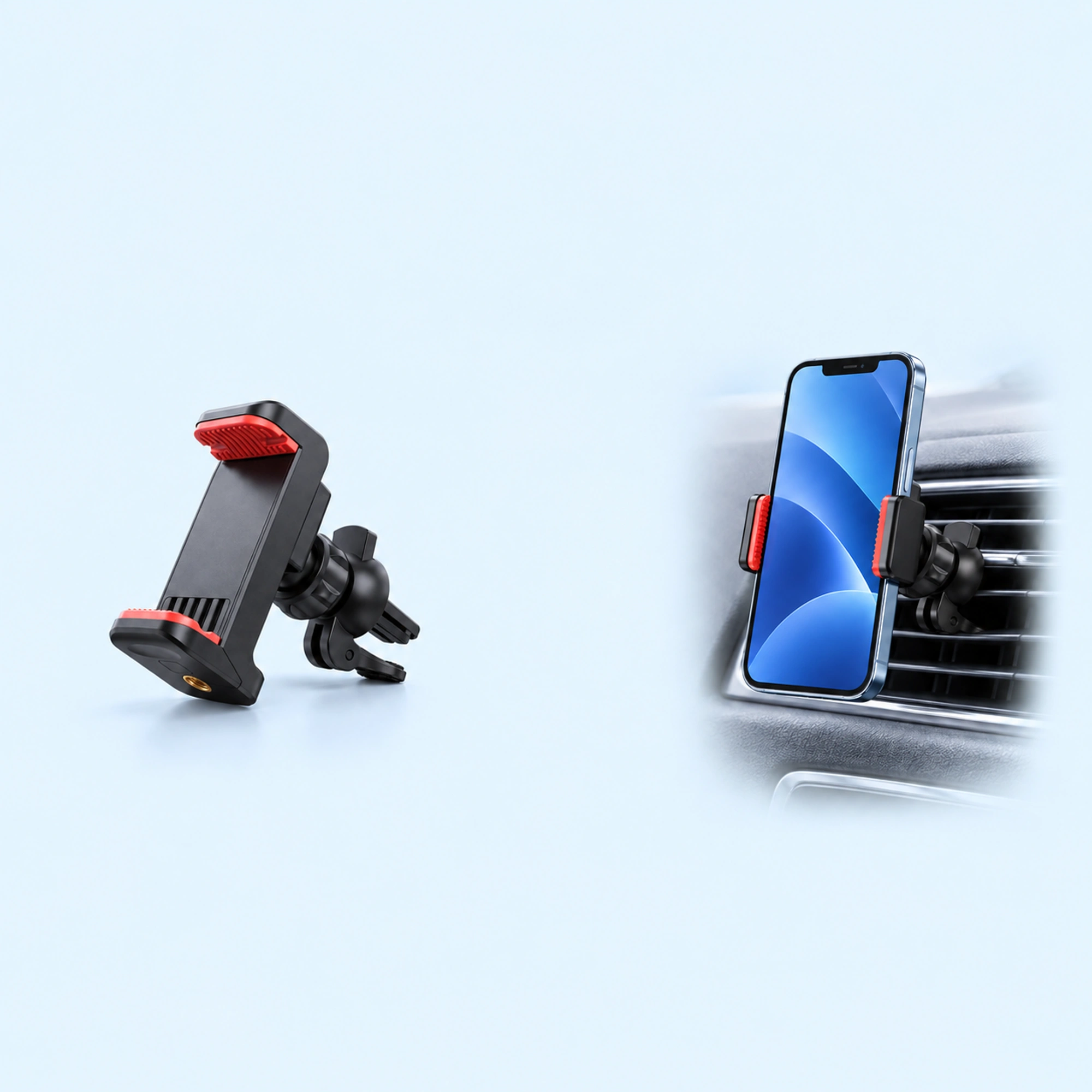 Red-Pad Compact Vent Phone Clip | Car Vent Phone Holder
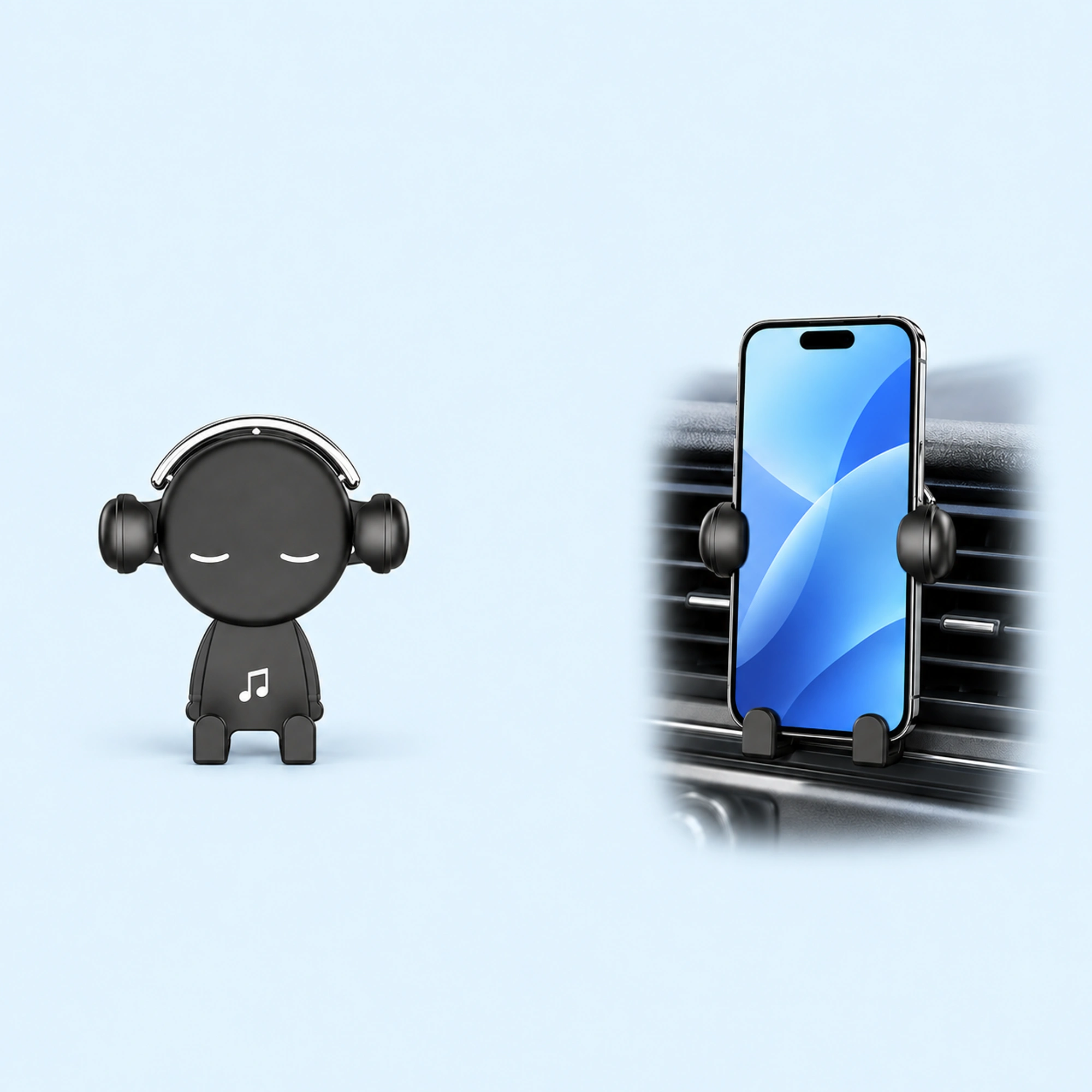 Music-Note Character Gravity Vent Holder | Gravity Phone Holder
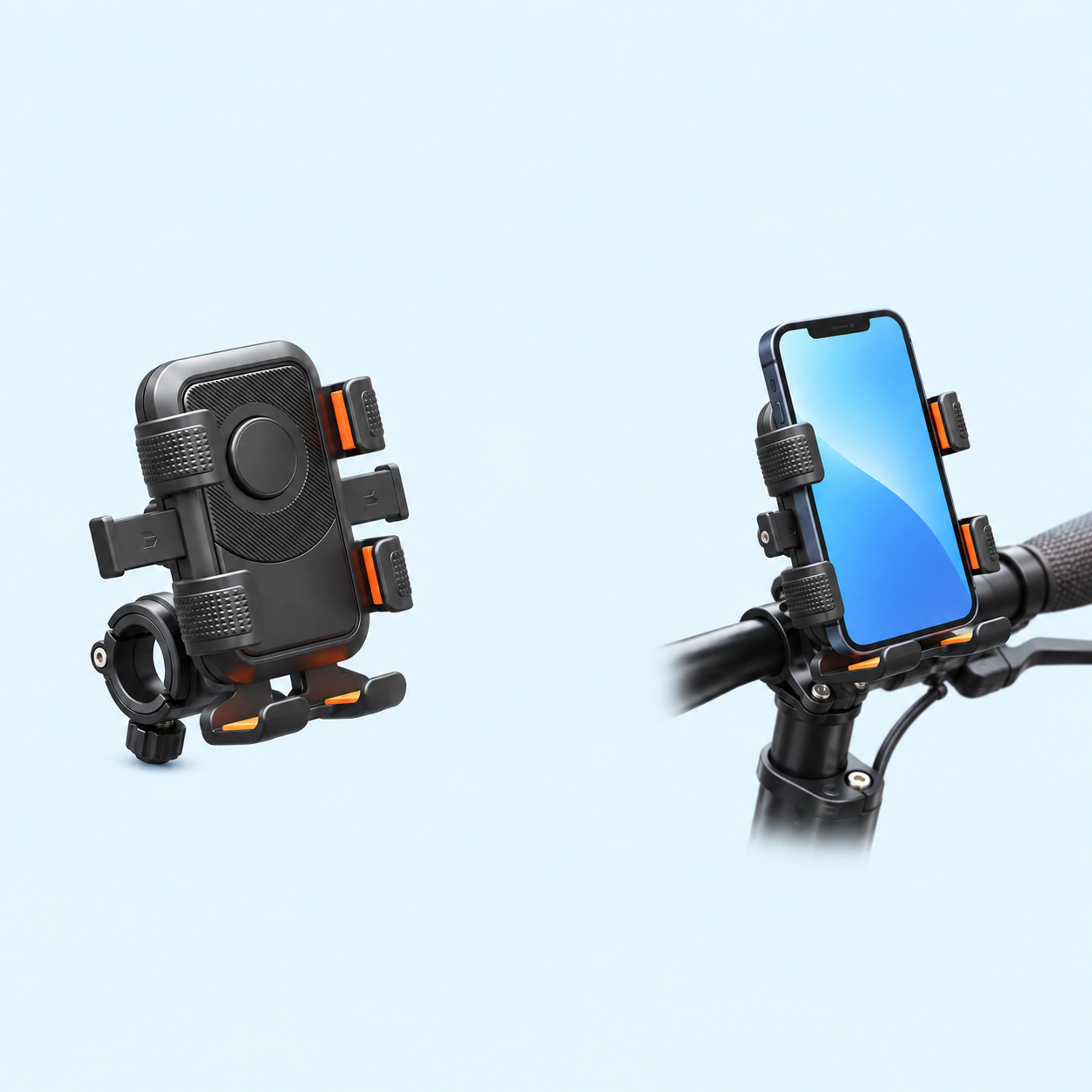 Black Six-Pad Handlebar Phone Cradle | Bike Handlebar Phone Mount
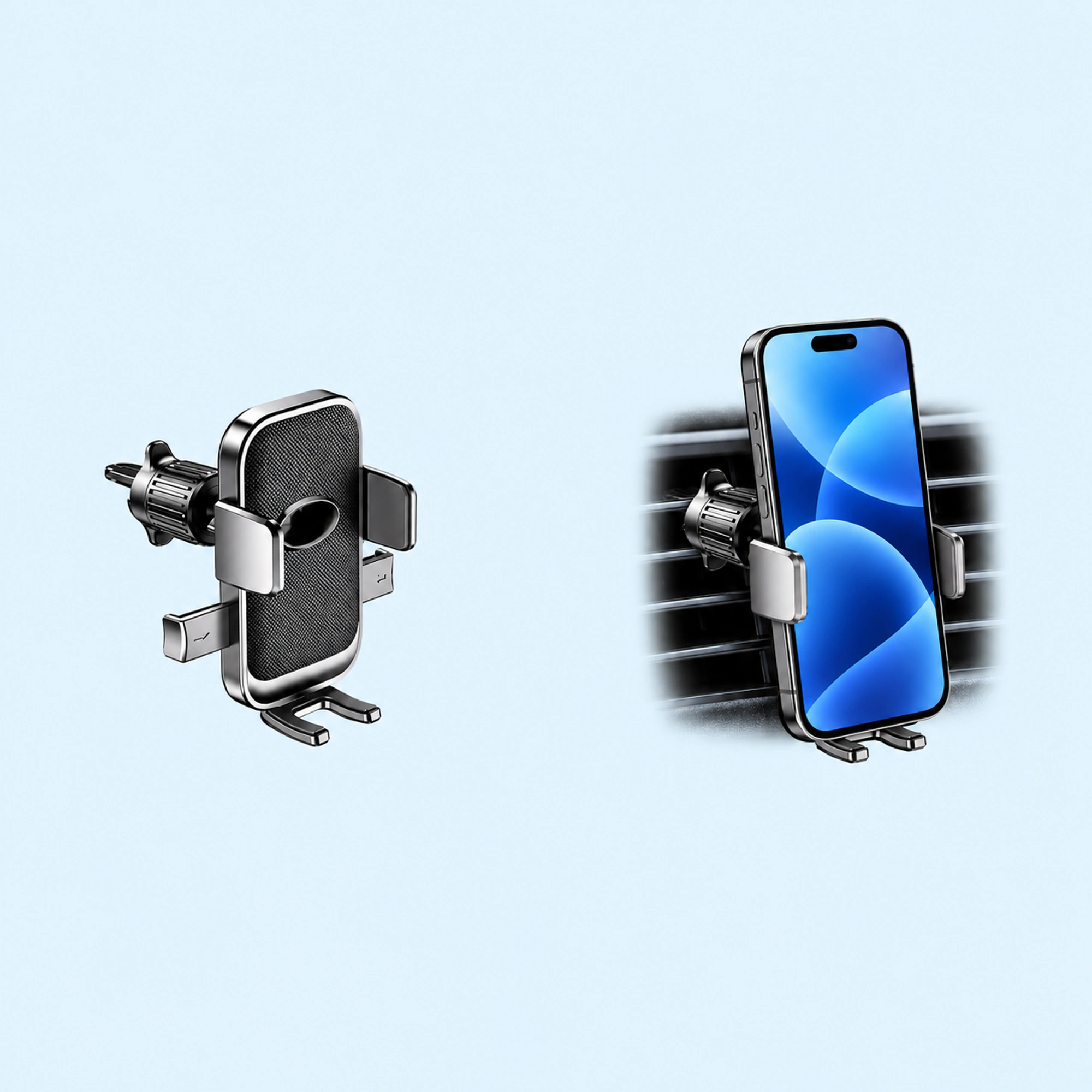 Oval-Opening Textured Vent Phone Cradle | Car Vent Phone Holder

Navigating technical singletrack or unfamiliar forest networks requires clear trail map visibility without compromising bike handling. When choosing a mountain bike phone holder on an aggressive trail bike or cross-country rig, riders immediately confront an architectural fork in cockpit design. You can replace the headset top cap bolt with an integrated bike stem phone mount, or you can secure an offset handlebar phone holder directly to the handlebar tubing. Both arrangements secure your phone against rocky terrain, yet each distributes mechanical stress and crash exposure across entirely different areas of your bicycle cockpit.
Mechanical Comparison Overview
| Cockpit Mounting Attribute | Headset Stem Cap Bolt Mount | Handlebar Split-Collar Clamp |
|---|---|---|
| Primary Structural Attachment | Threadless steerer tube star nut | Handlebar round tube profile |
| Visual Line of Sight | Centered directly over the steerer tube | Offset left or right of stem body |
| Crash Exposure Rating | Tucked behind bar centerline | Exposed above or ahead of front edge |
| Bar Clearance Impact | Leaves handlebar tubing open for lights | Consumes 15mm to 30mm of bar width |
| Angle Adjustability | Fixed tilt or limited single-axis pivot | Broad rotation around round handlebar |
| Carbon Bar Contact Risk | Zero contact with carbon fiber bar wall | Requires strict torque and rubber shims |
Cockpit Mounting Dynamics: Stem Cap Bolt vs Handlebar Clamp
A threadless headset relies on a central top cap and bolt to adjust bearing preload before the stem side bolts are torqued down. A stem cap mount takes advantage of this existing central anchoring point. By replacing the factory steel or alloy bolt with an extended mounting bolt, the phone cradle sits directly centered above the steerer tube. This arrangement eliminates clamp friction on the handlebar itself and keeps your display precisely aligned with the bicycle frame centerline.
Handlebar clamps, by contrast, fasten directly to the round sections of the handlebar using split collars or hinged brackets. Because modern trail cockpits frequently host remote lockout levers, dropper post triggers, brake perches, and cycling computers, finding open bar space can prove challenging. A clamp mount allows forward or backward rotation around the bar circumference to dial in viewing angles, but it demands dedicated horizontal real estate next to the stem faceplate.
Crash Impact Geometry and Steerer Tube Protection
Trail riding inevitably involves unexpected washouts, over-the-bars tumbles, and tight brush strikes. In a fall, handlebar clamps sit in the immediate strike zone. When the handlebars twist violently against the ground or strike trailside trees, an exposed handlebar bracket absorbs direct impact forces, which can fracture polymer arms or shear phone retention corners.
A stem cap bolt mount anchors the phone in a sheltered cockpit pocket. Because the cradle sits centrally over the stem body and behind the forward edge of the handlebar, the bar and stem faceplate act as an aluminum shield during roll-overs. Trail debris, overhead branches, and direct ground impacts strike the raised handlebar curve first, significantly lowering the risk of catastrophic screen shattering or cradle detachment.
Knee Clearance and Climbing Ergonomics on Short Stems
While stem cap mounting offers superior impact protection, modern mountain bike geometry introduces a critical clearance variable: stem length. Contemporary trail and enduro bikes feature long top tubes paired with stubby stems measuring between 35mm and 50mm. When you stand out of the saddle to pedal up steep, punchy rock steps, your chest drops and your knees travel forward directly above the headset area.
On an ultra-short 35mm stem, an oversized smartphone mounted to the top cap extends backward toward the top tube. Riders with long legs or forward-leaning climbing styles may find their knees brushing against the cradle corners during aggressive pedal strokes. If your cockpit runs a very short stem, verify the fore-aft clearance before tackling technical ascents, or select a mount with an elevated, forward-offset neck.
Carbon Handlebars and Clamping Stress Considerations
Carbon fiber handlebars provide exceptional trail vibration damping and weight savings, but they are vulnerable to localized crushing forces. Clamping an accessory bracket to carbon fiber requires strict adherence to torque specifications, typically between 2 and 3 Newton-meters. Over-tightening a rigid alloy or hard plastic clamp can pinch carbon composite layers, creating micro-cracks that compromise handlebar structural integrity over rough rock gardens.
Mounting to the headset top cap bypasses the handlebar entirely. The mounting bolt threads down into the steel star fangled nut or expanding compression plug inside the steerer tube, entirely avoiding carbon clamping stress. For riders running high-end carbon handlebars who prefer not to attach rigid split collars, a top cap bolt mount delivers complete peace of mind.
Mountain Bike Mount Selection: Three Practical Approaches
Mountain bike cockpits vary widely across hardtails, trail bikes, and downhill machines. Depending on your preferred attachment interface and vibration damping requirements, three distinct designs cater to aggressive off-road riding:
- The Mountain Bike Phone Mount for Handlebar and Stem features a ribbed black open cradle paired with high-visibility yellow vibration-damping contact inserts and raised corner supports priced at $23.99, providing rugged retention for rocky descents while maintaining quick screen access.
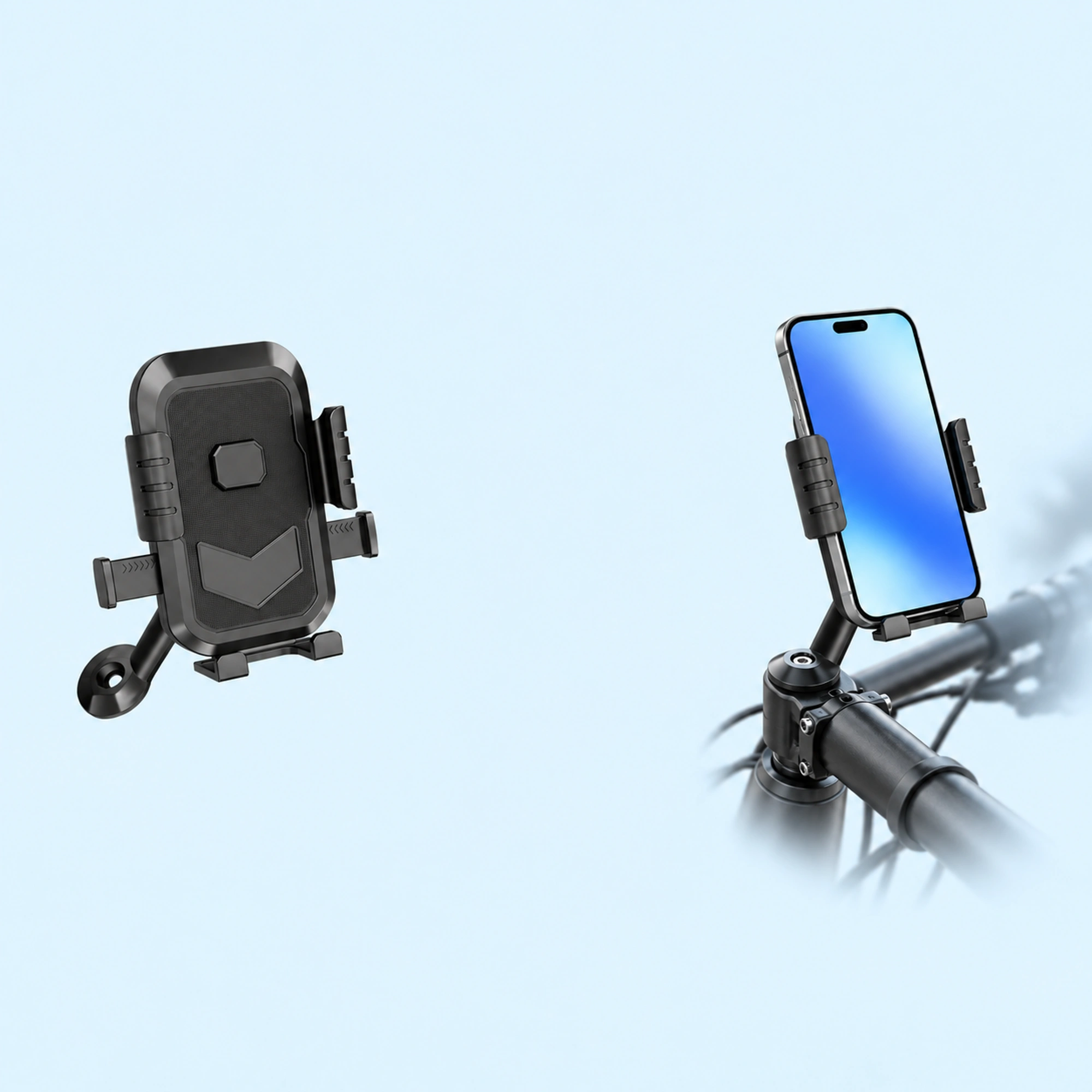
- For dedicated stem bolt installation, the Chevron-Pad Bicycle Stem Phone Holder incorporates an angled stem arm fitting a compatible bicycle stem bolt, a tall rectangular mesh backplate, a raised lower chevron cushion, a central polygon button, and tall side jaws priced at $19.99 for maximum stability across roots and chatter.
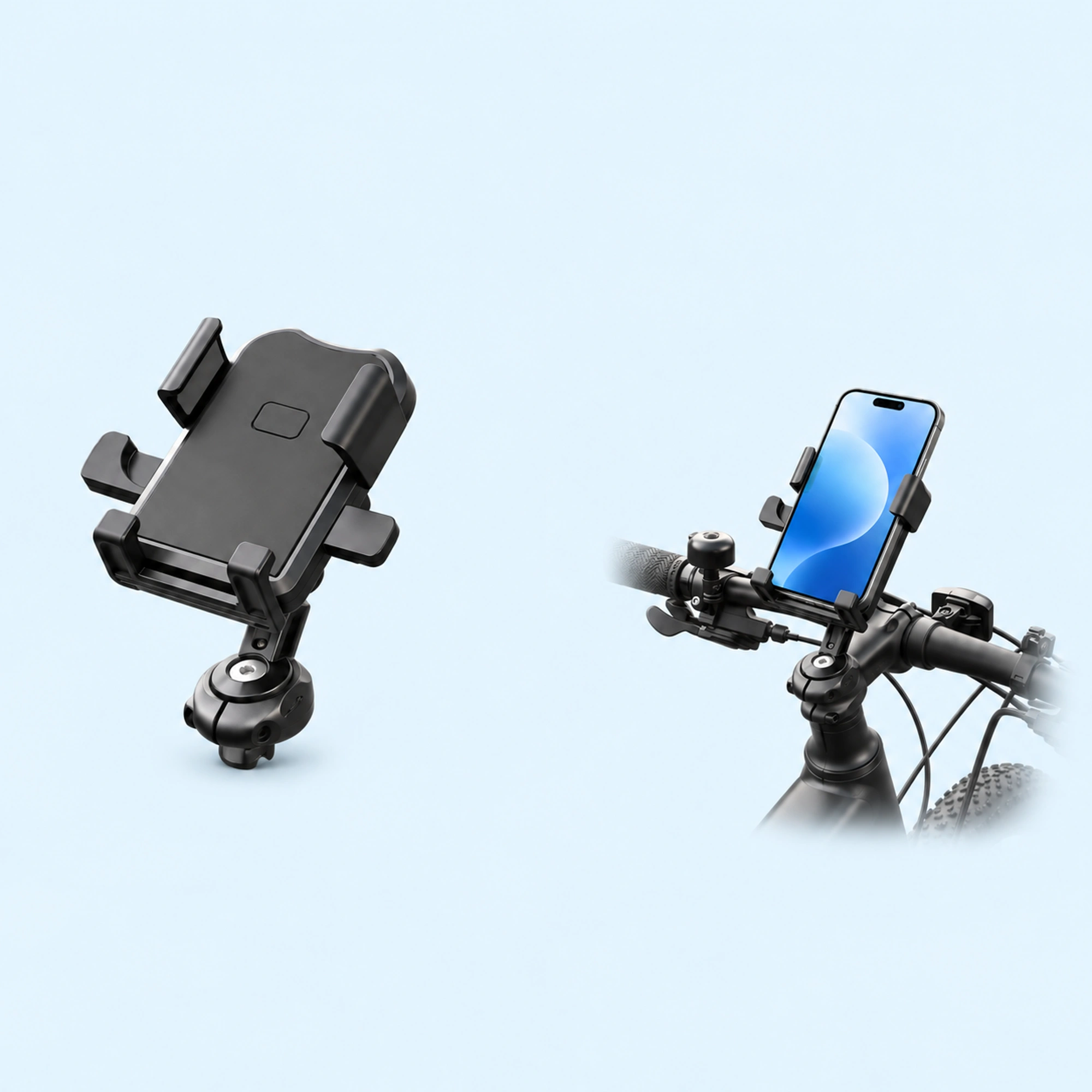
- If you want a minimalist top cap profile, the Compact Four-Corner Stem Phone Cradle mounts directly in the center top cap position with four corner grips, a central release mechanism, and a broad lower release paddle priced at $19.99, keeping your cockpit clean and functional.
Step-by-Step Top Cap Installation and Pre-Ride Checks
Installing a stem cap bolt phone mount requires careful mechanical sequencing to avoid disturbing your headset bearing preload:
- Keep Stem Clamp Bolts Tight: Never loosen the side pinch bolts on your stem while installing a top cap mount. Keeping these bolts torqued maintains your existing headset bearing preload and prevents the fork from slipping downward.
- Remove Factory Top Cap Bolt: Use the appropriate metric hex wrench to unthread and remove the original center bolt and top cap from your steerer tube.
- Inspect Thread Pitch and Length: Compare the replacement mount bolt with your original hardware to verify identical thread diameter and pitch, ensuring sufficient thread engagement into the star nut.
- Position Mount and Torque to Spec: Align the mount base over the steerer tube, insert the extended bolt, and tighten snugly to 2 to 3 Newton-meters without over-compressing the headset.
- Check Full Steering and Cable Clearance: Rotate your handlebars fully from lock to lock. Confirm that front brake hoses and derailleur housing do not snag on the cradle base during sharp turns.
Frequently Asked Questions
Can replacing my headset top cap bolt loosen the bicycle fork bearings?
Replacing the top cap bolt will not loosen your fork bearings as long as the stem pinch bolts remain completely tight during the process. The side pinch bolts on the stem body hold the fork steerer tube securely in place. The central top cap bolt only applies bearing preload during initial assembly. As long as you leave the side stem bolts torqued to specification, removing and replacing the center top cap bolt takes less than two minutes and leaves headset adjustment completely unaffected.
Will a mountain bike stem phone mount hit my knees while standing on pedals?
Knee contact depends entirely on stem length, frame reach, and rider height. On cross-country and trail bikes equipped with stems measuring 60mm or longer, the cradle sits comfortably forward of your knee travel arc. However, on aggressive modern enduro frames running compact 35mm or 40mm stems, an oversized phone can extend backward toward the rider cockpit. If you frequently pedal out of the saddle on technical rock steps, test knee clearance stationary before riding hard.