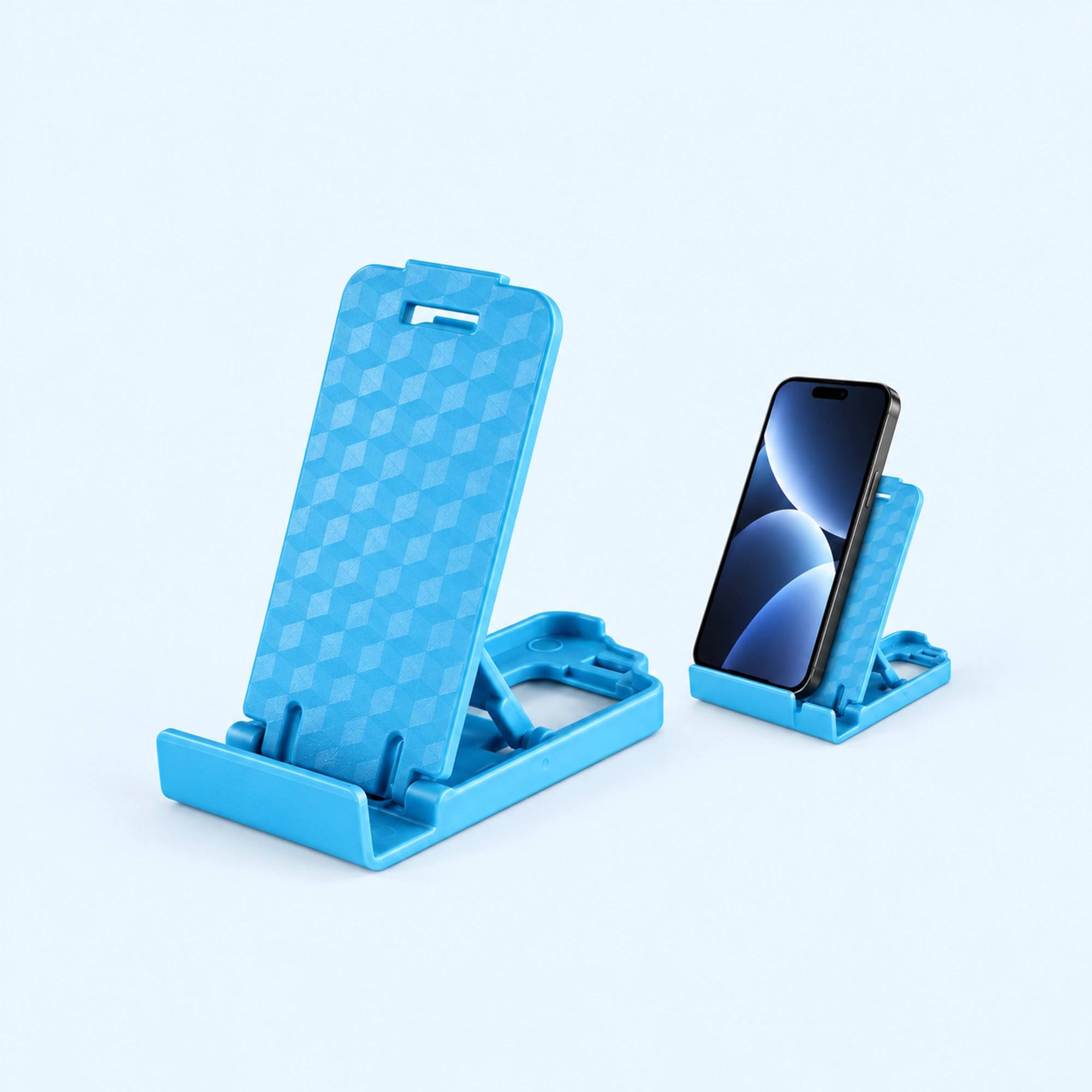
 Blue Four-Position Folding Desk Stand | Adjustable Foldable Phone Stand
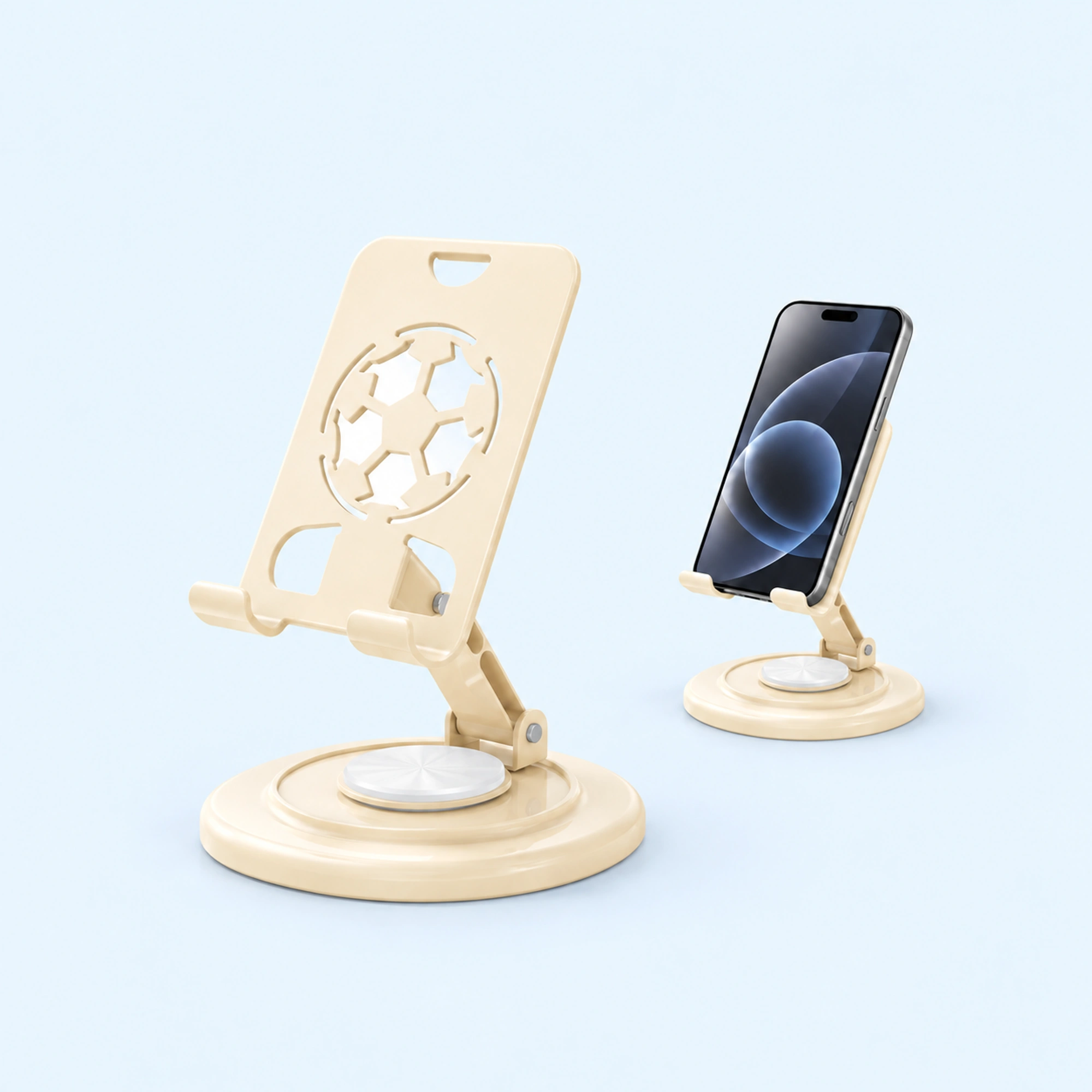 Cream Round-Base Folding Phone Stand | Foldable Phone Stand
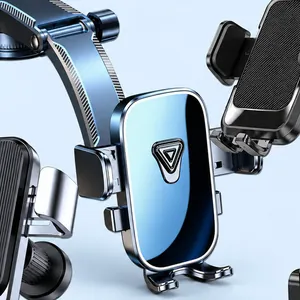
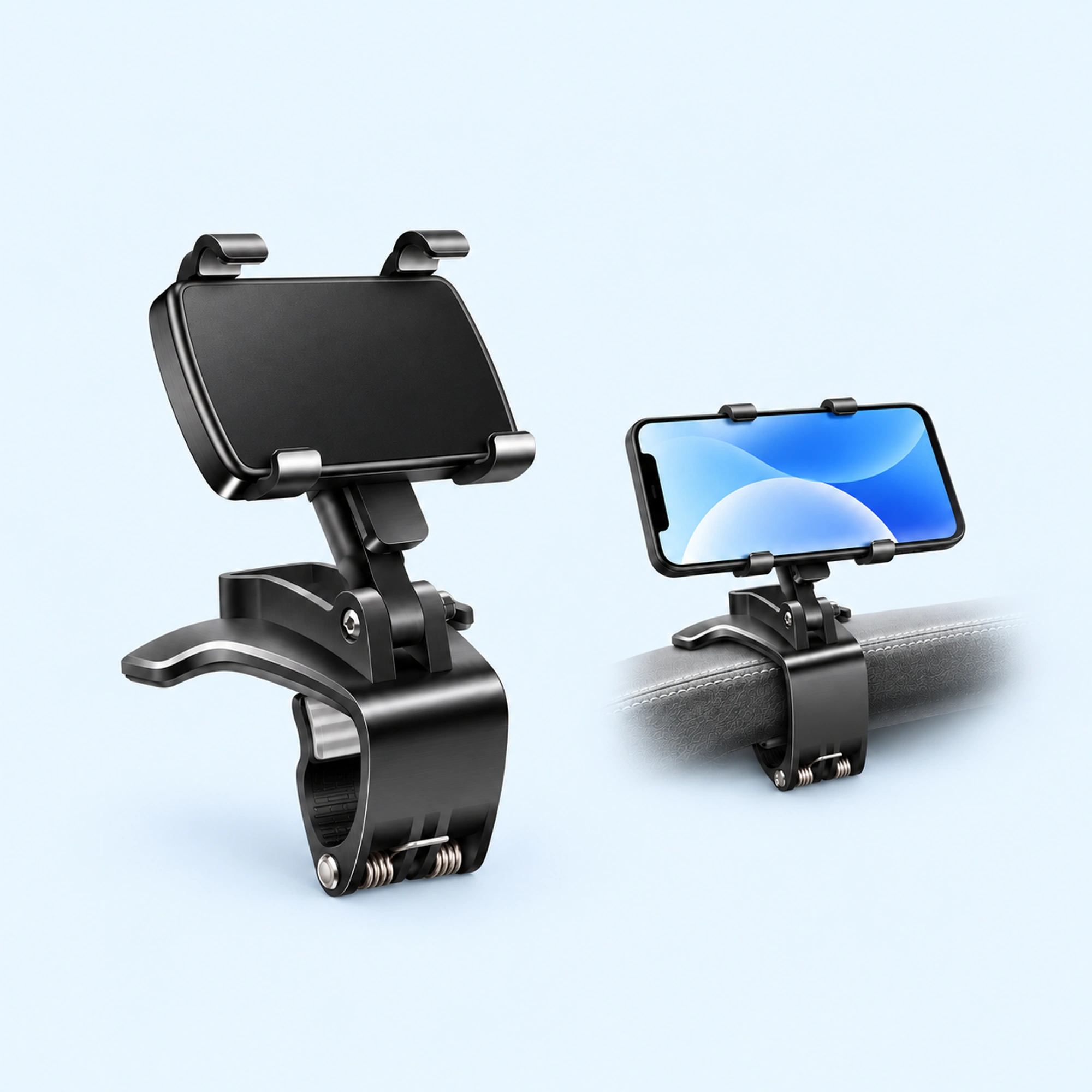 Dashboard Edge Clip Phone Holder | Dashboard Phone Holder
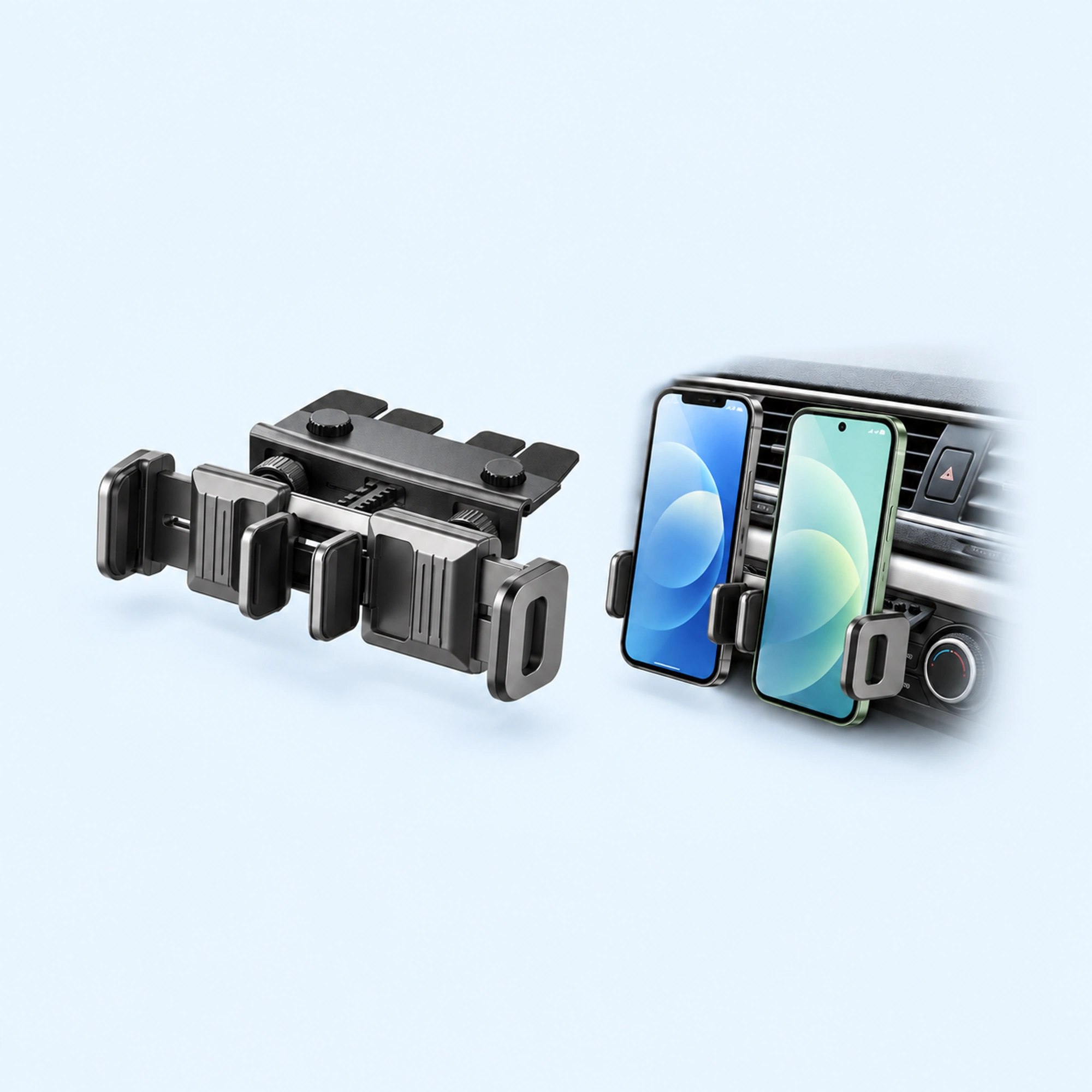 Dual-Cradle CD-Slot Phone Mount | Cd Phone Holder
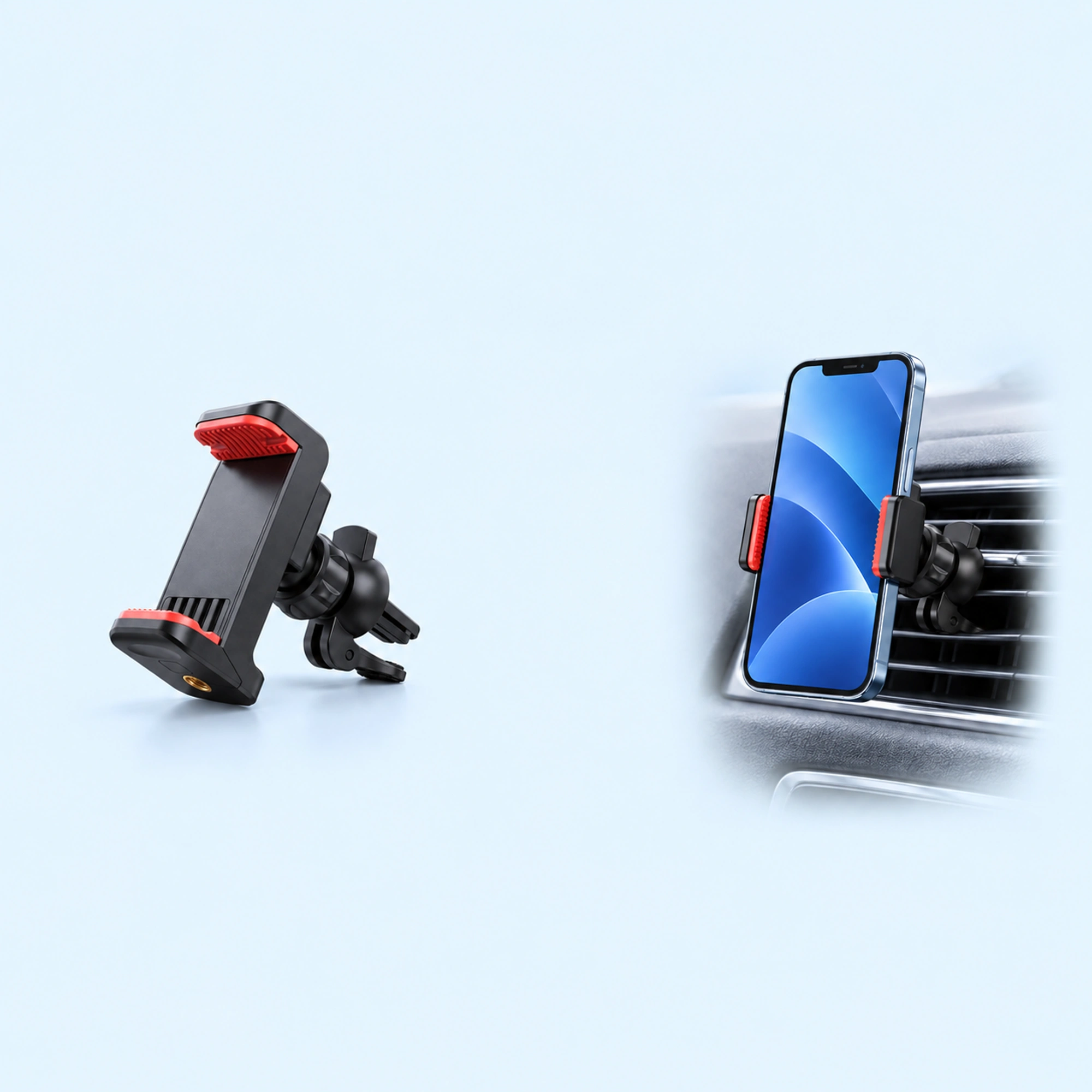 Red-Pad Compact Vent Phone Clip | Car Vent Phone Holder
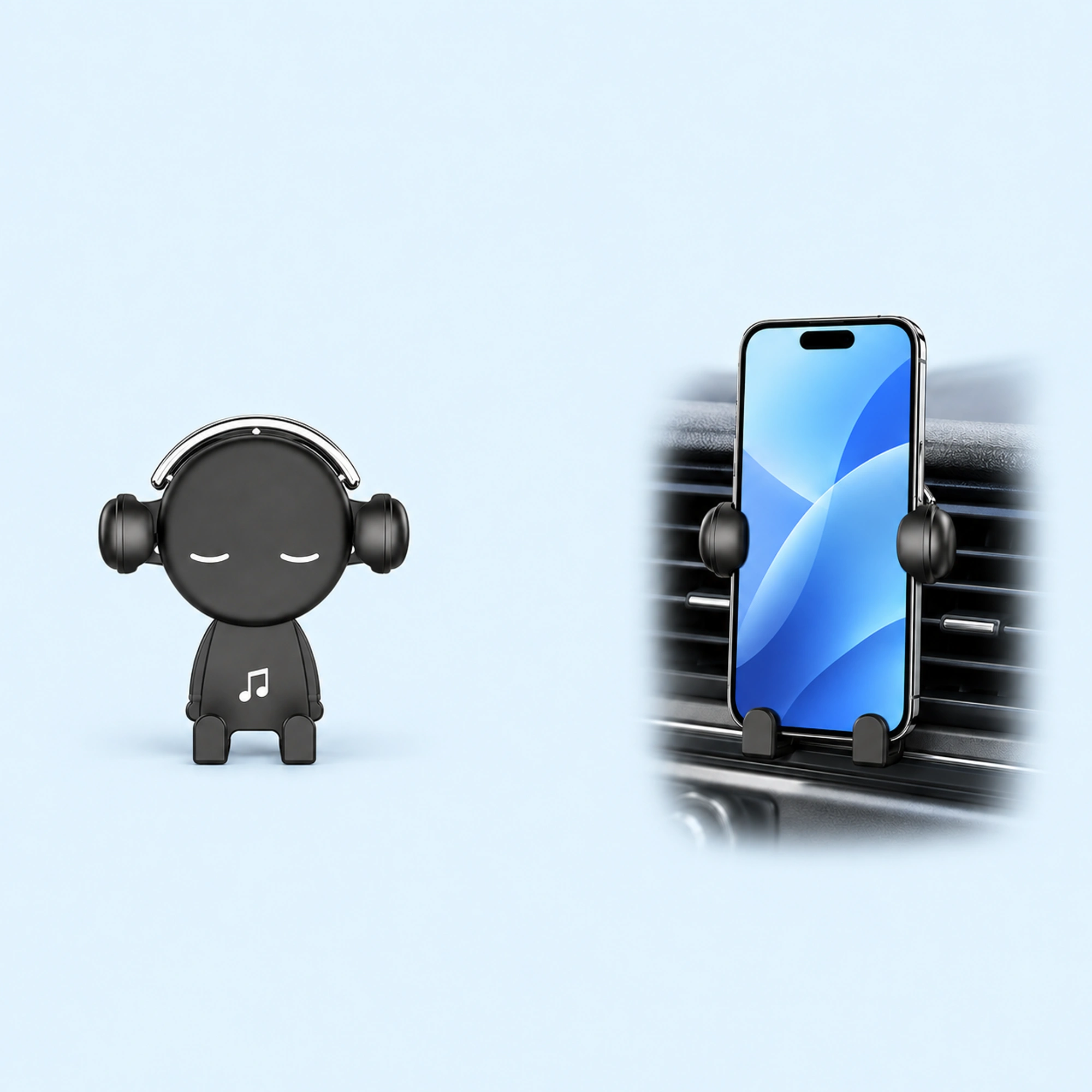 Music-Note Character Gravity Vent Holder | Gravity Phone Holder
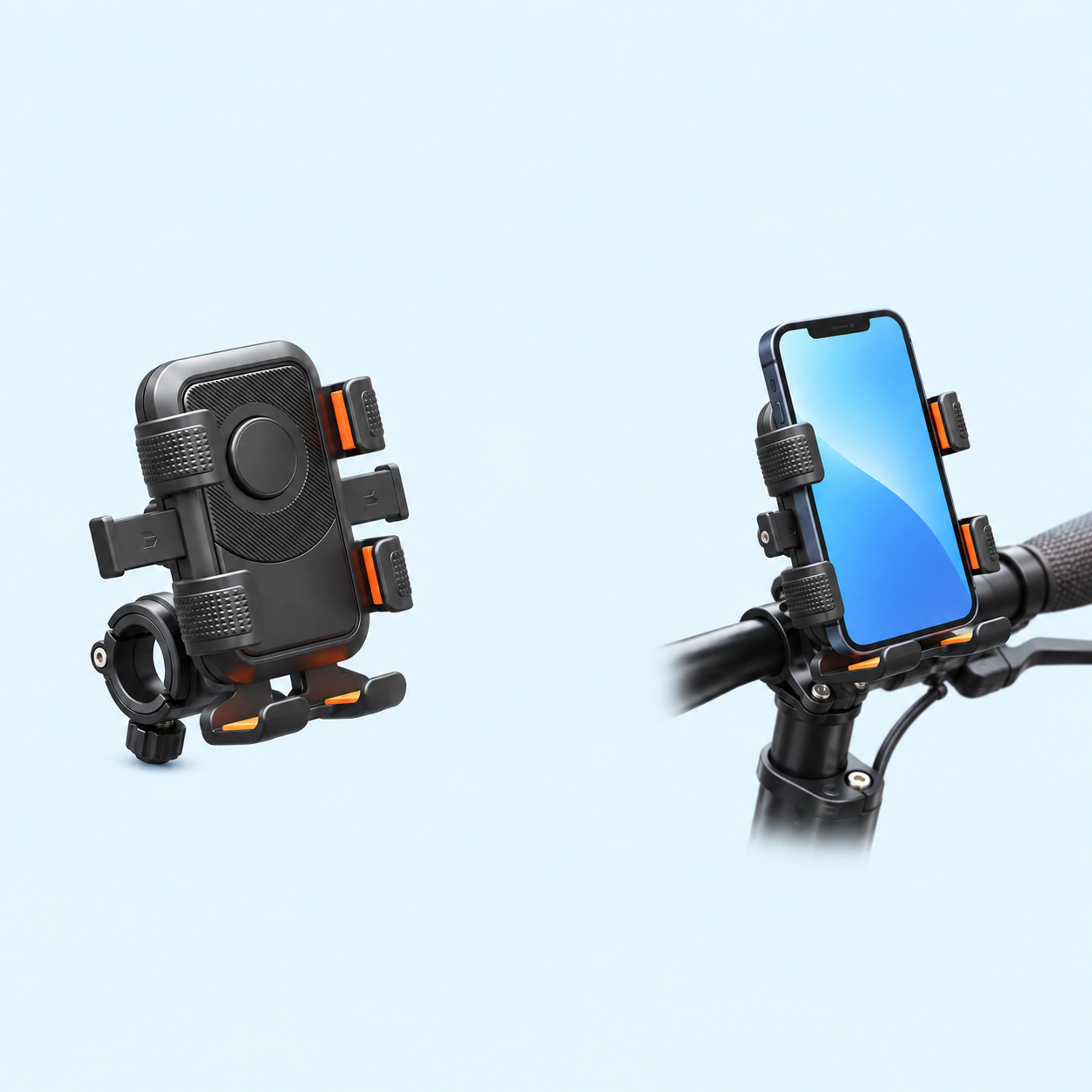 Black Six-Pad Handlebar Phone Cradle | Bike Handlebar Phone Mount
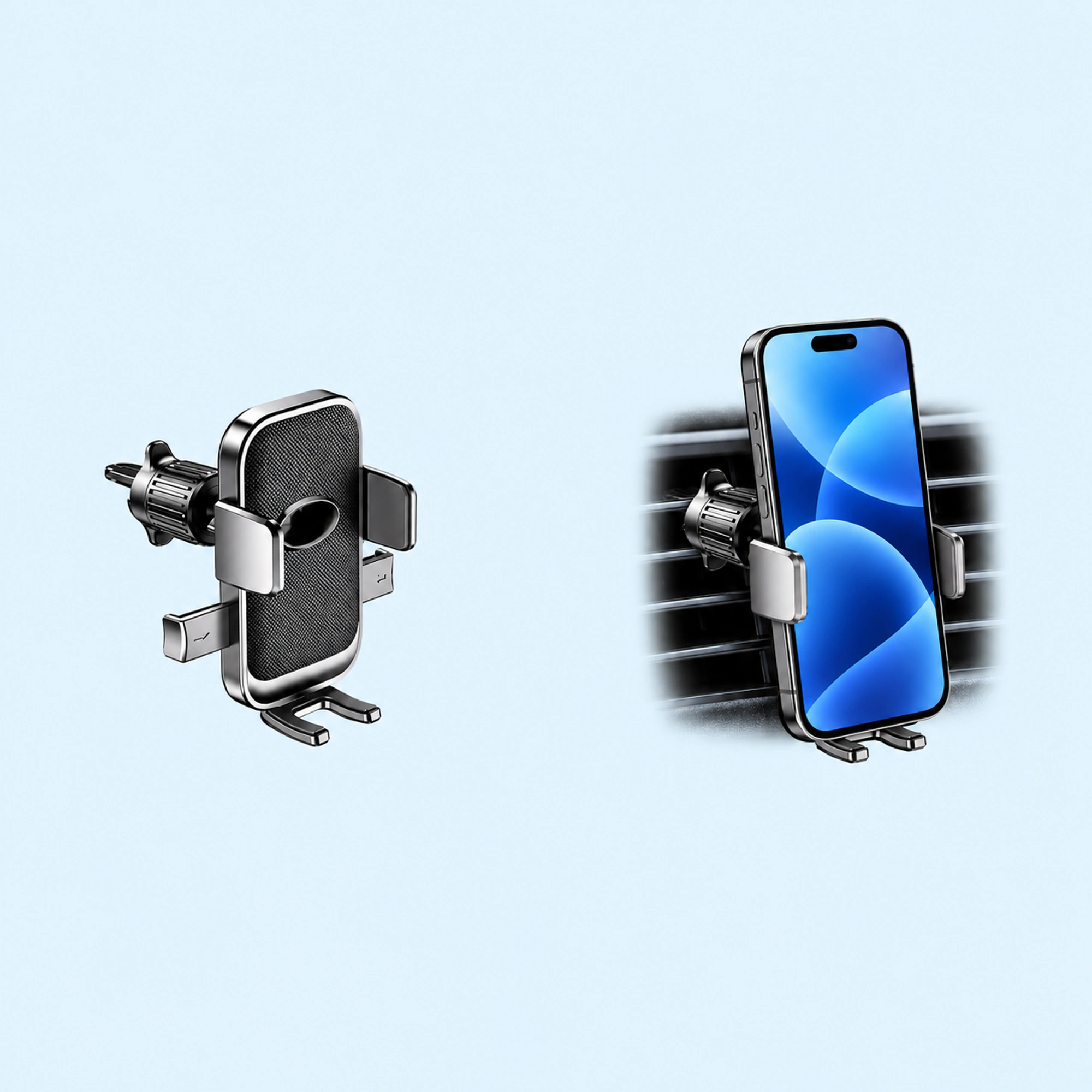 Oval-Opening Textured Vent Phone Cradle | Car Vent Phone Holder
Carrying a heavy modern phone on a long training run introduces distinct mechanical trade-offs between a running phone armband and a running phone pouch. Road runners frequently debate whether a running arm phone holder or a waist belt offers better bounce control across different cadences. Neither setup fits every workout.
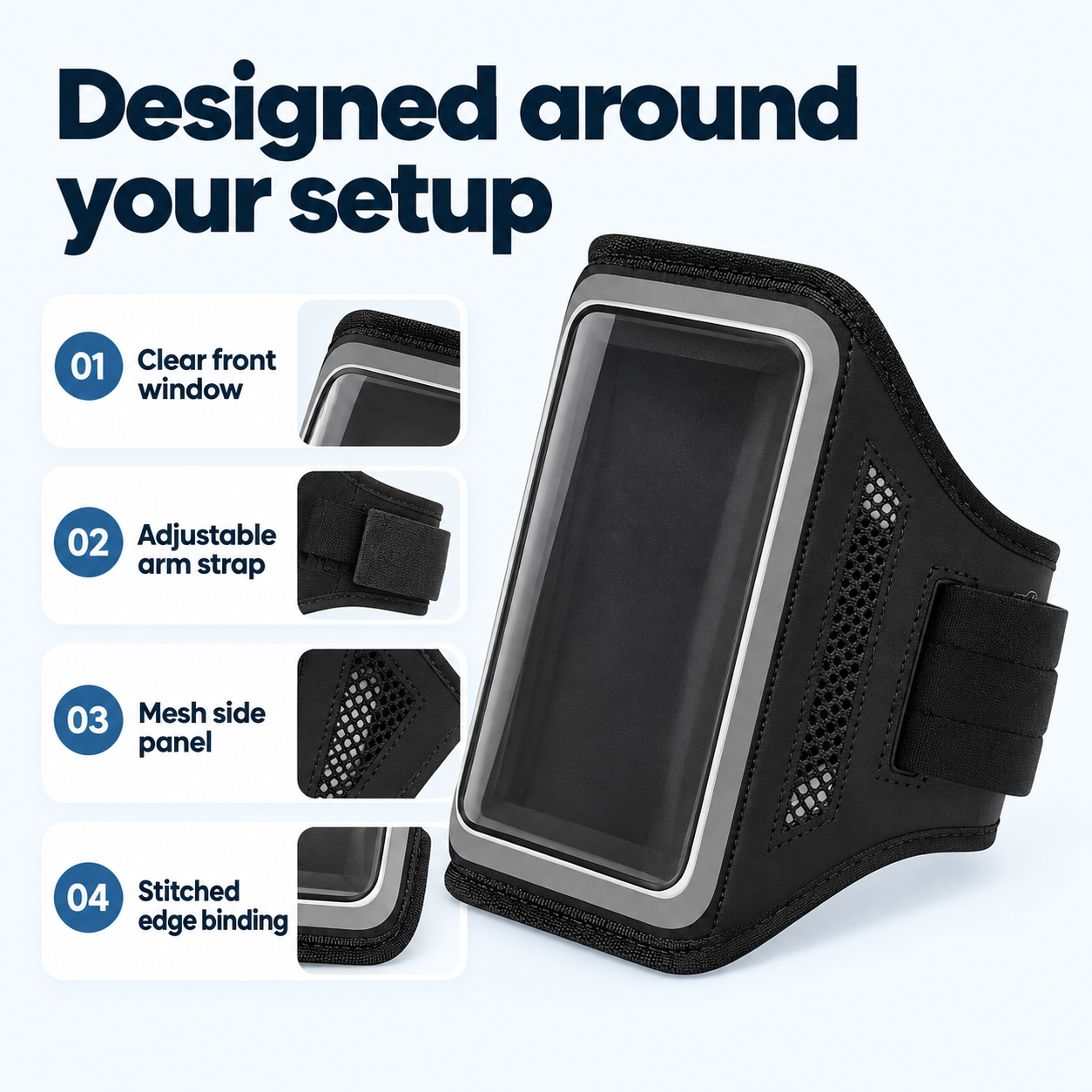
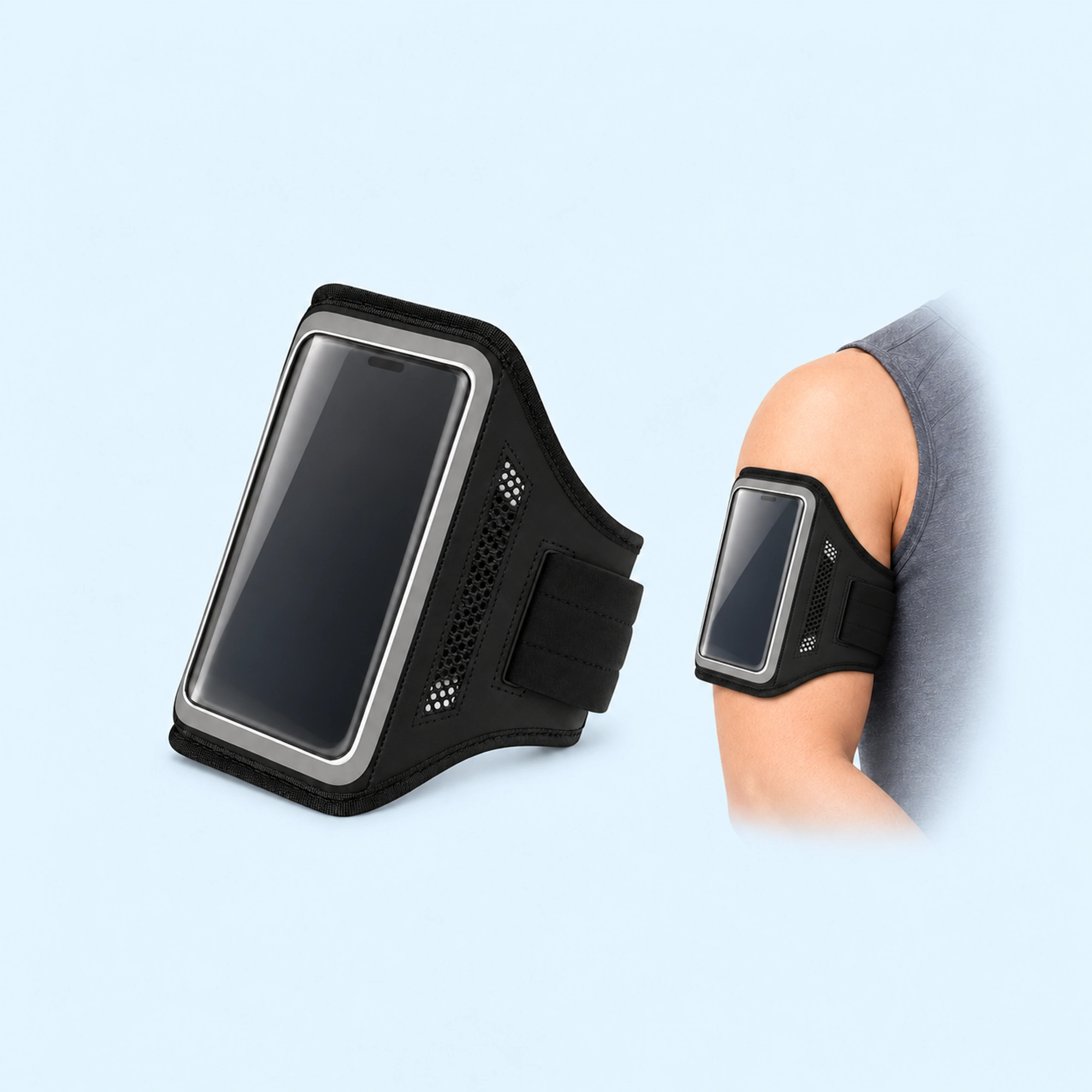
An arm sleeve positions the device directly on your bicep, making split times and audio cues immediately accessible. The Running Phone Armband with Clear Window | Phone Holder for Running utilizes a clear plastic face with an elastic neoprene strap to secure the handset against your arm. Because your upper arm swings constantly through every stride, an arm sleeve creates a minor centrifugal torque on your shoulder joint. Arms get tired faster. Run coaches note that runners with narrower arms often over-tighten the velcro band to prevent slippage, which can restrict venous blood return during intense hill repeats. Warm weather workouts also produce sweat buildup behind the impermeable vinyl window, occasionally triggering false touches on the screen.
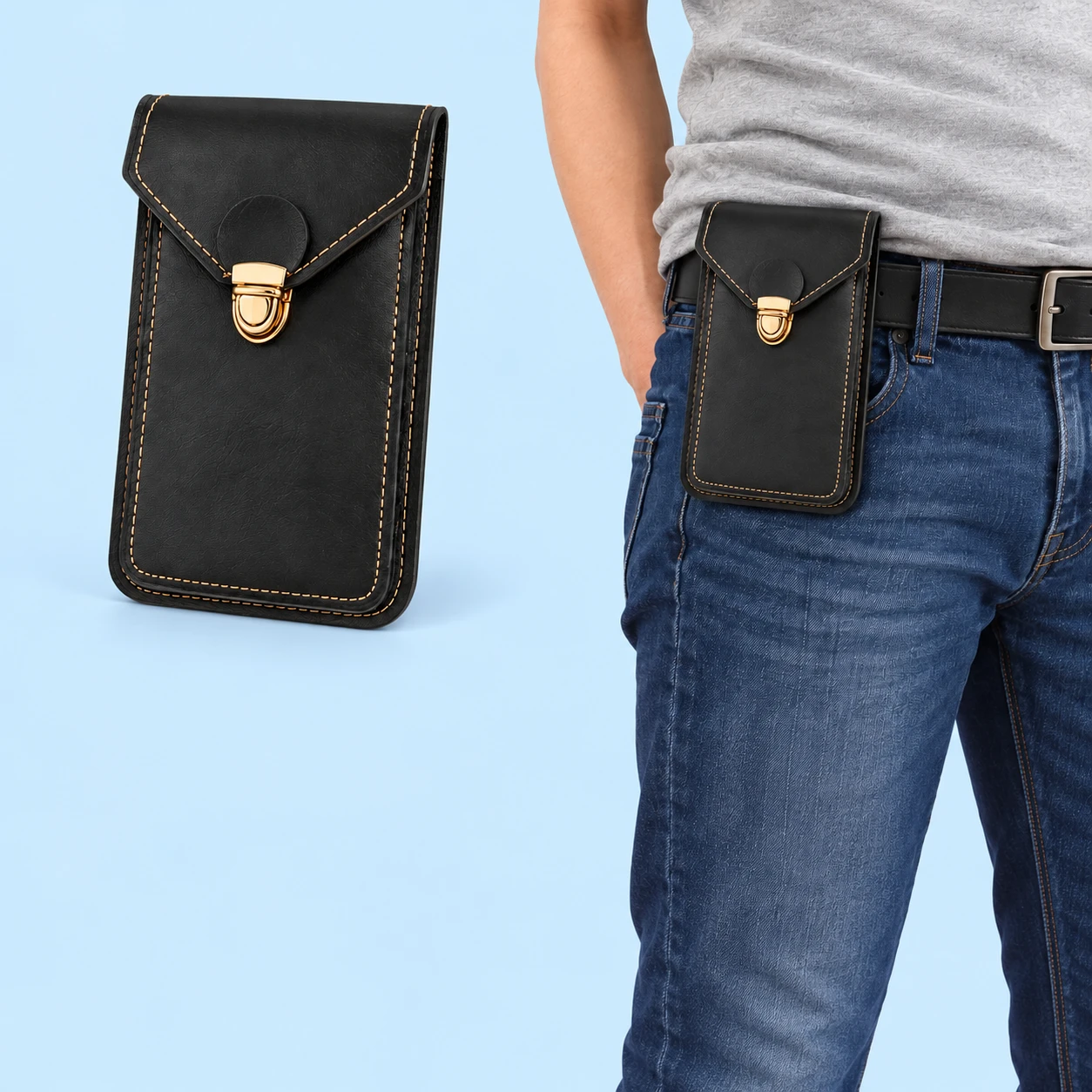
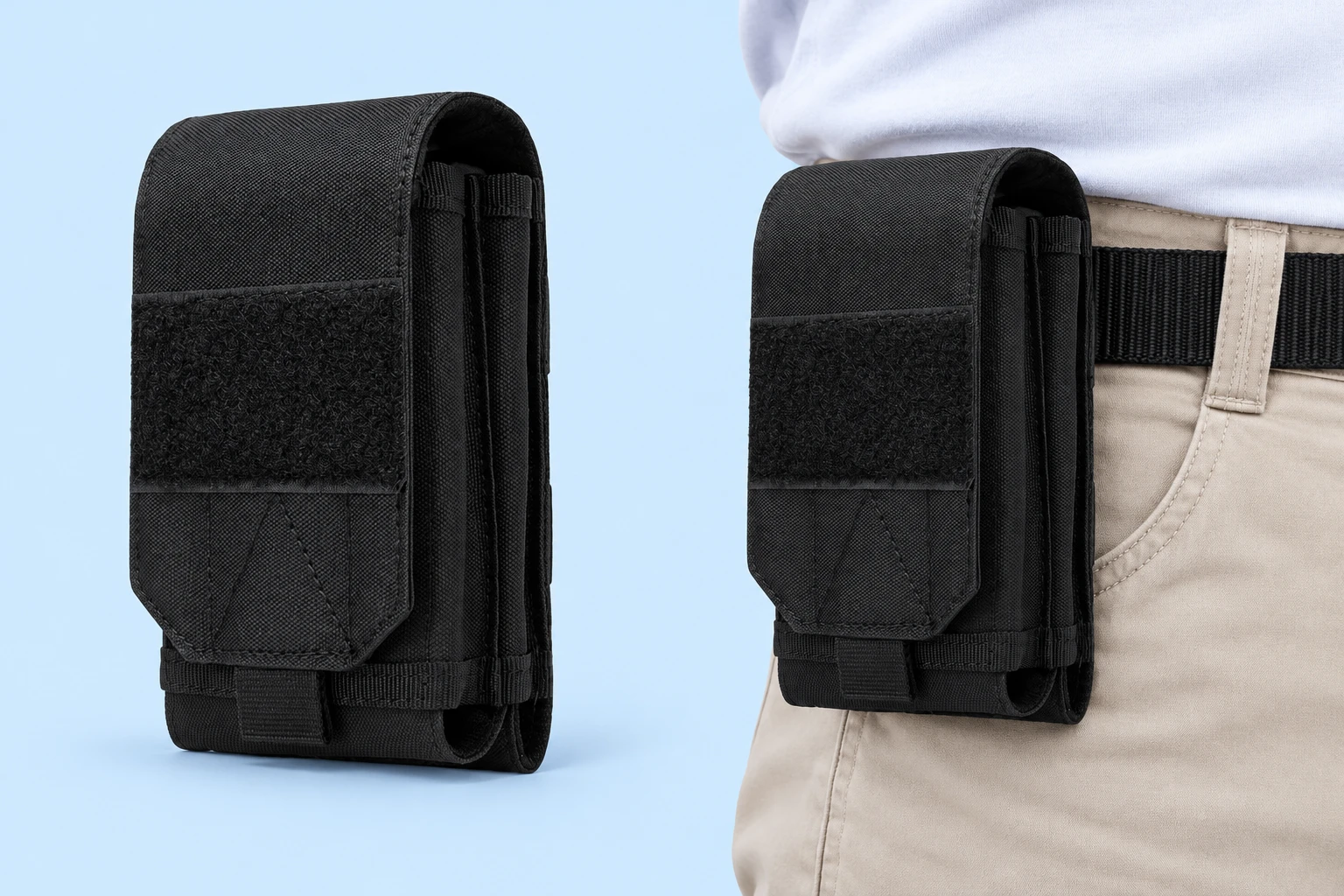
Positioning the handset around your hips changes the physical distribution of the mass entirely. The Black Envelope-Clasp Phone Belt Pouch secures a large device flat across your sacrum or front waistline using a low-profile buckle strap. It stays put. Placing the phone close to your anatomical center of gravity virtually eliminates the lateral pendulum motion caused by arm swings. Runners who log high weekly mileage report that hip-mounted storage minimizes muscular compensation in the neck and upper trapezius.
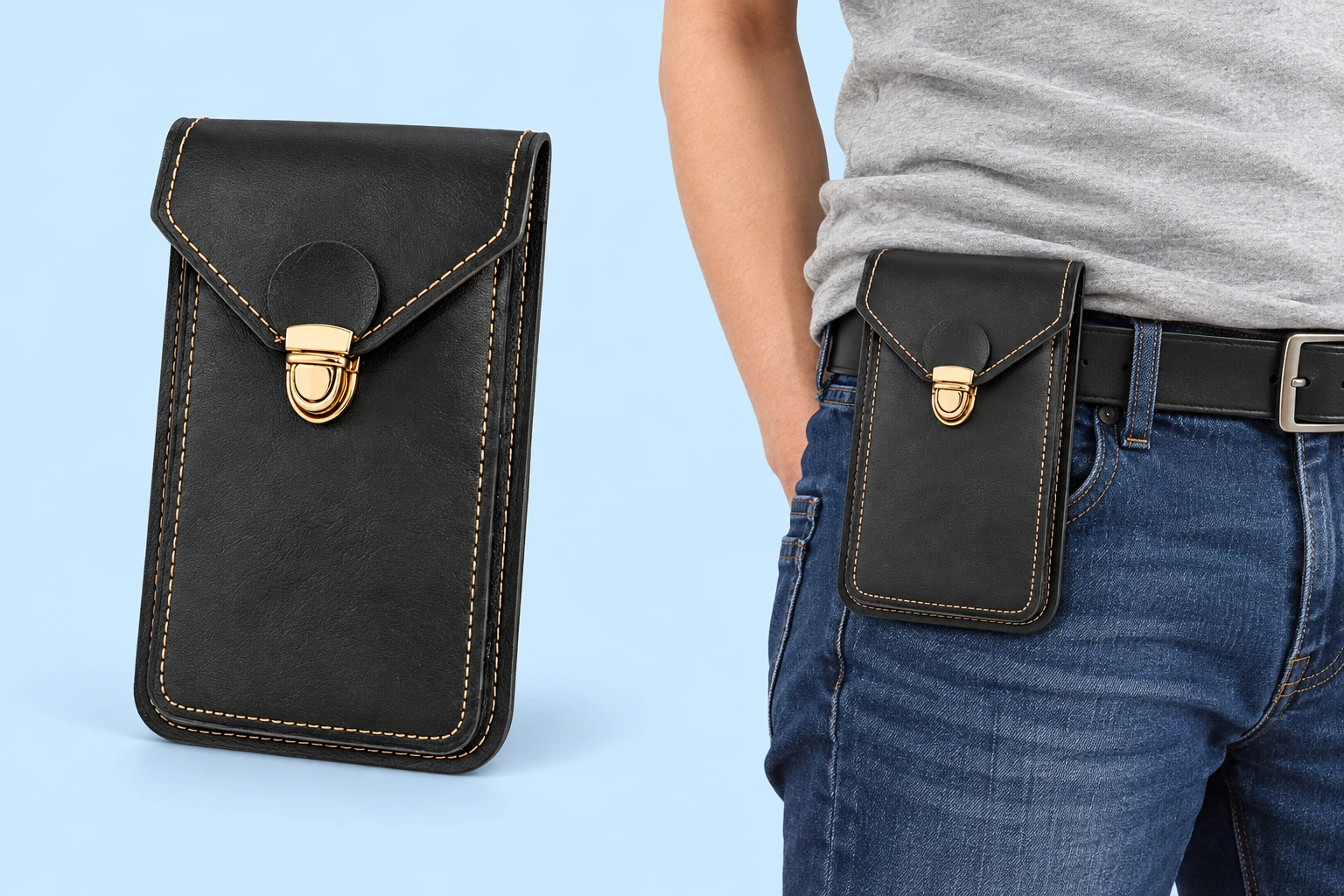
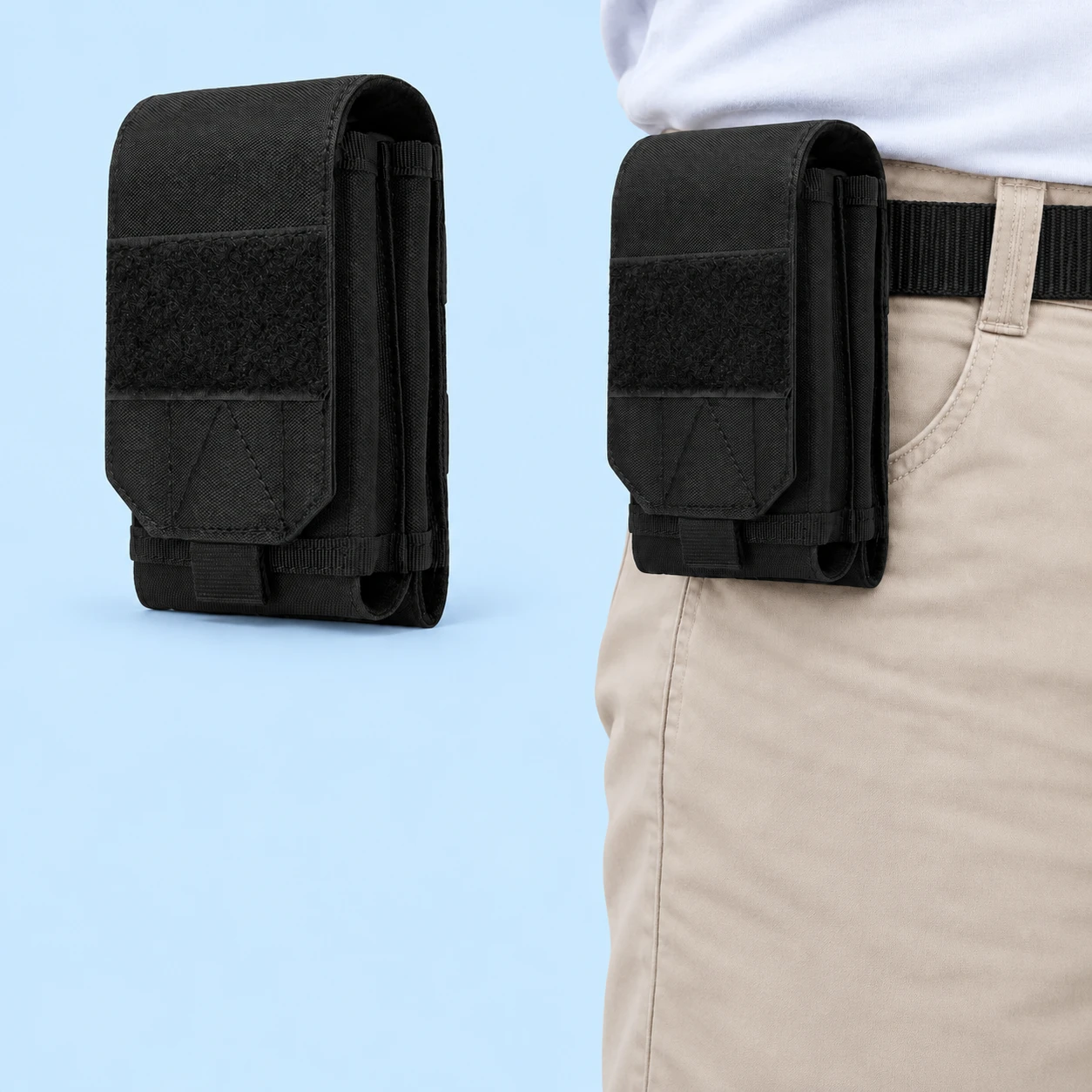
For additional carrying capacity on marathon efforts, runners often pack keys and nutrition alongside their device. The Black Long-Flap Phone Belt Pouch provides an extended closure that accommodates larger cases without stretching delicate seam stitching. A waist belt requires you to unclip or unzip the pouch whenever you need to check a running app map, which interrupts your rhythm slightly. Conversely, an upper arm holder allows instant glance verification without requiring you to stop or fumble at your waistline.
Choosing between an arm sleeve and a waist pack depends primarily on screen interaction requirements and stride dynamics. Runners doing speed intervals who want to monitor heart rate zones frequently favor the clear-window bicep sleeve. Distance athletes who prioritize balanced posture and zero bounce invariably achieve better comfort with a dedicated waist belt pouch. Fit comes first.