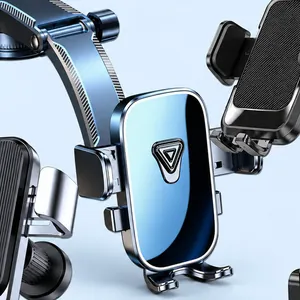
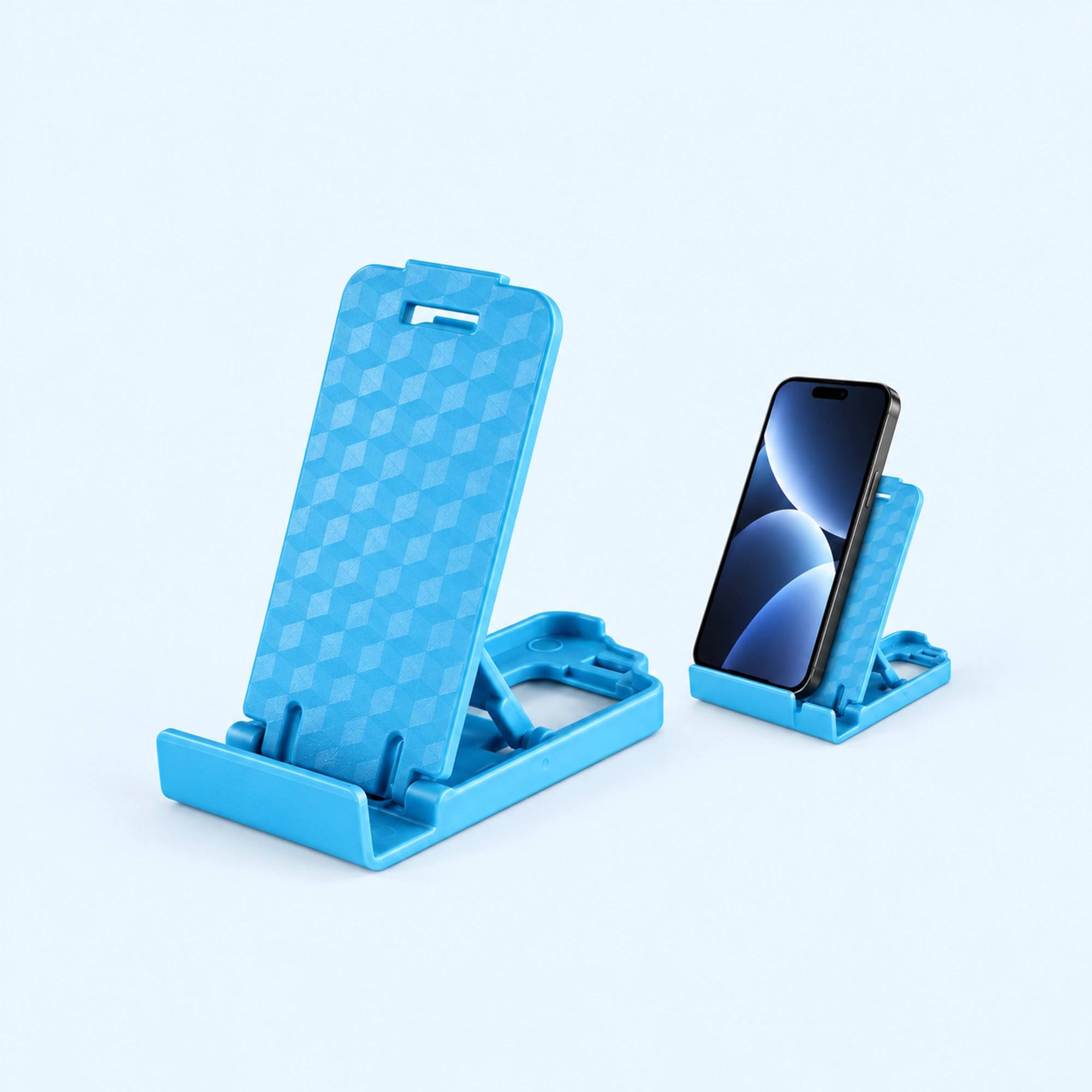
 Blue Four-Position Folding Desk Stand | Adjustable Foldable Phone Stand
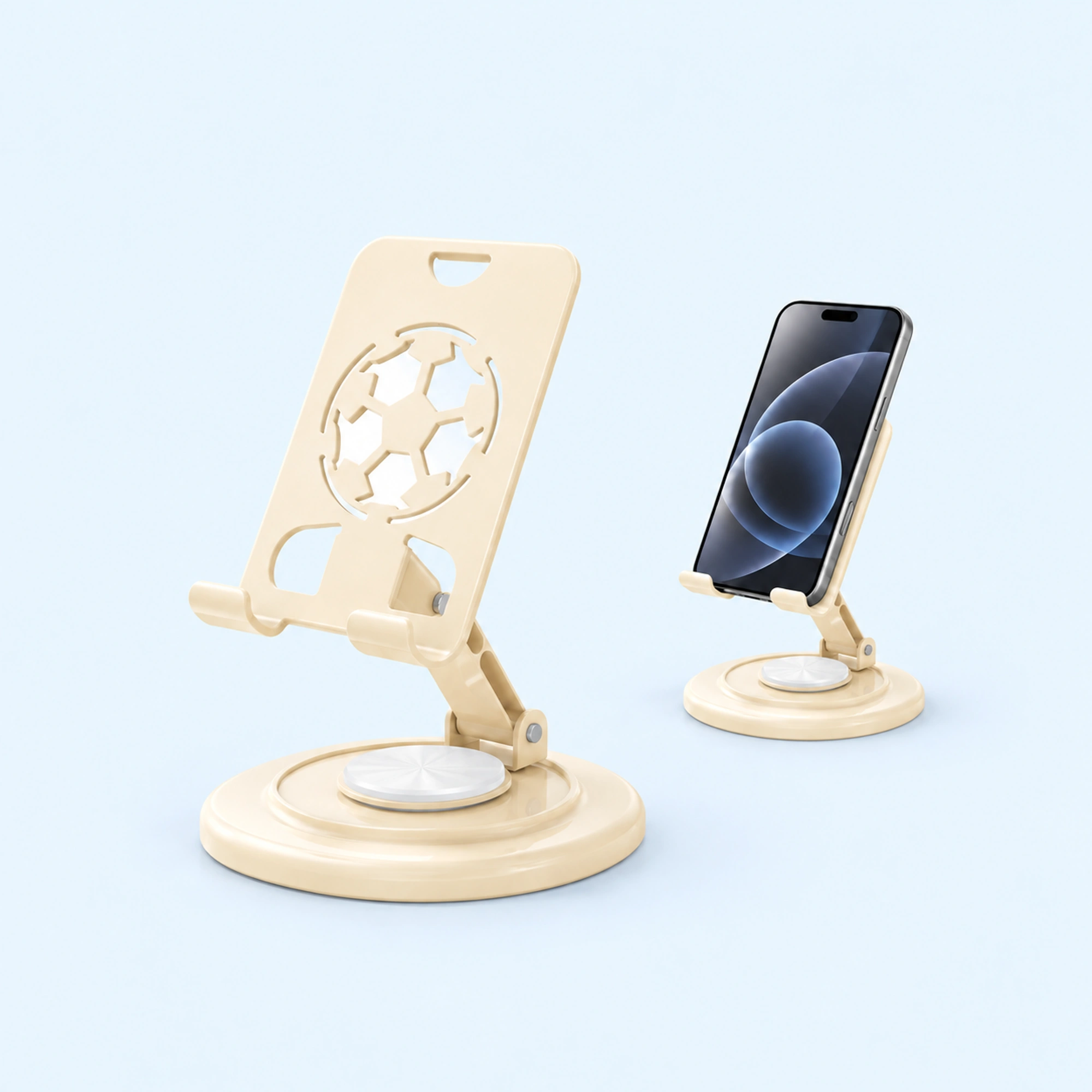 Cream Round-Base Folding Phone Stand | Foldable Phone Stand
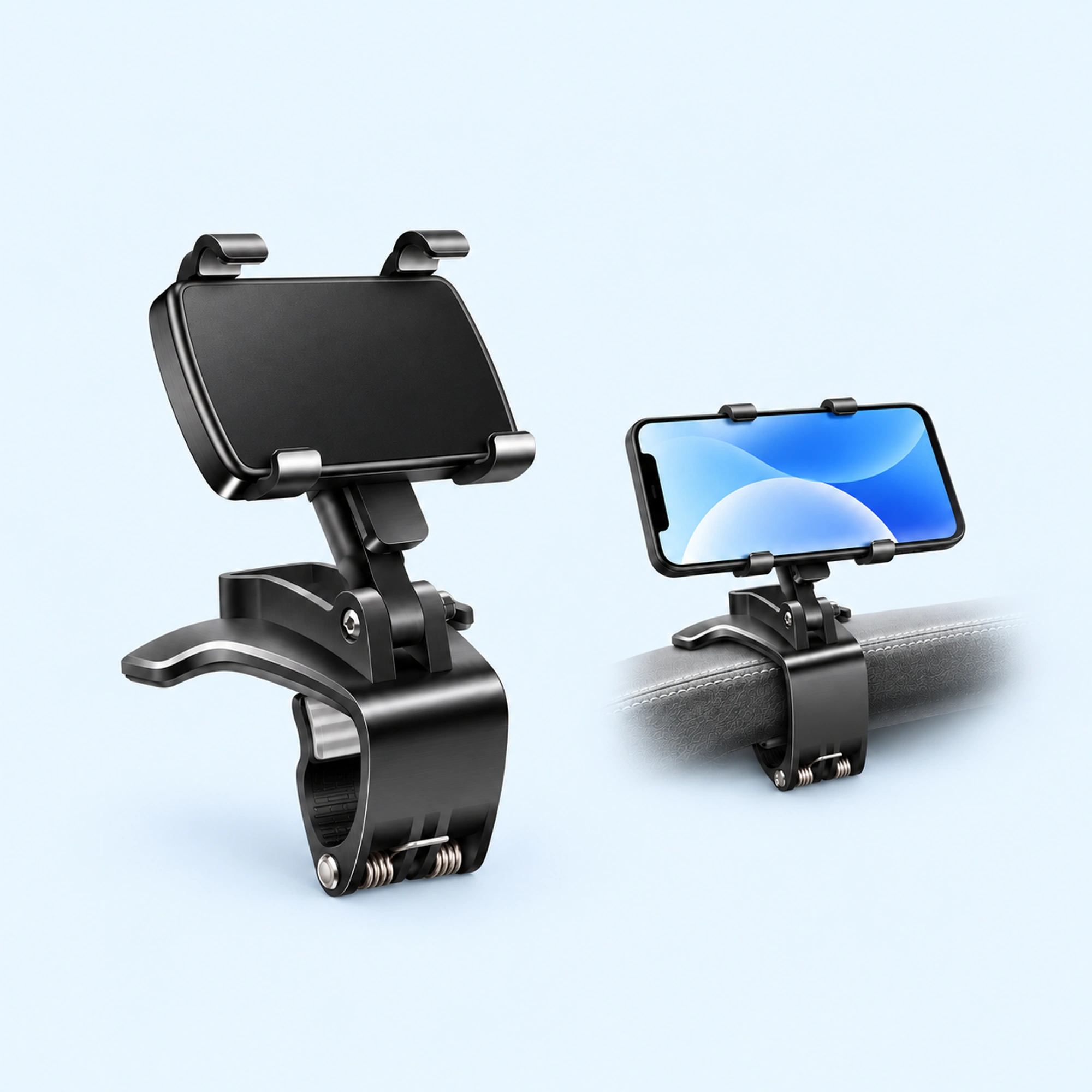 Dashboard Edge Clip Phone Holder | Dashboard Phone Holder
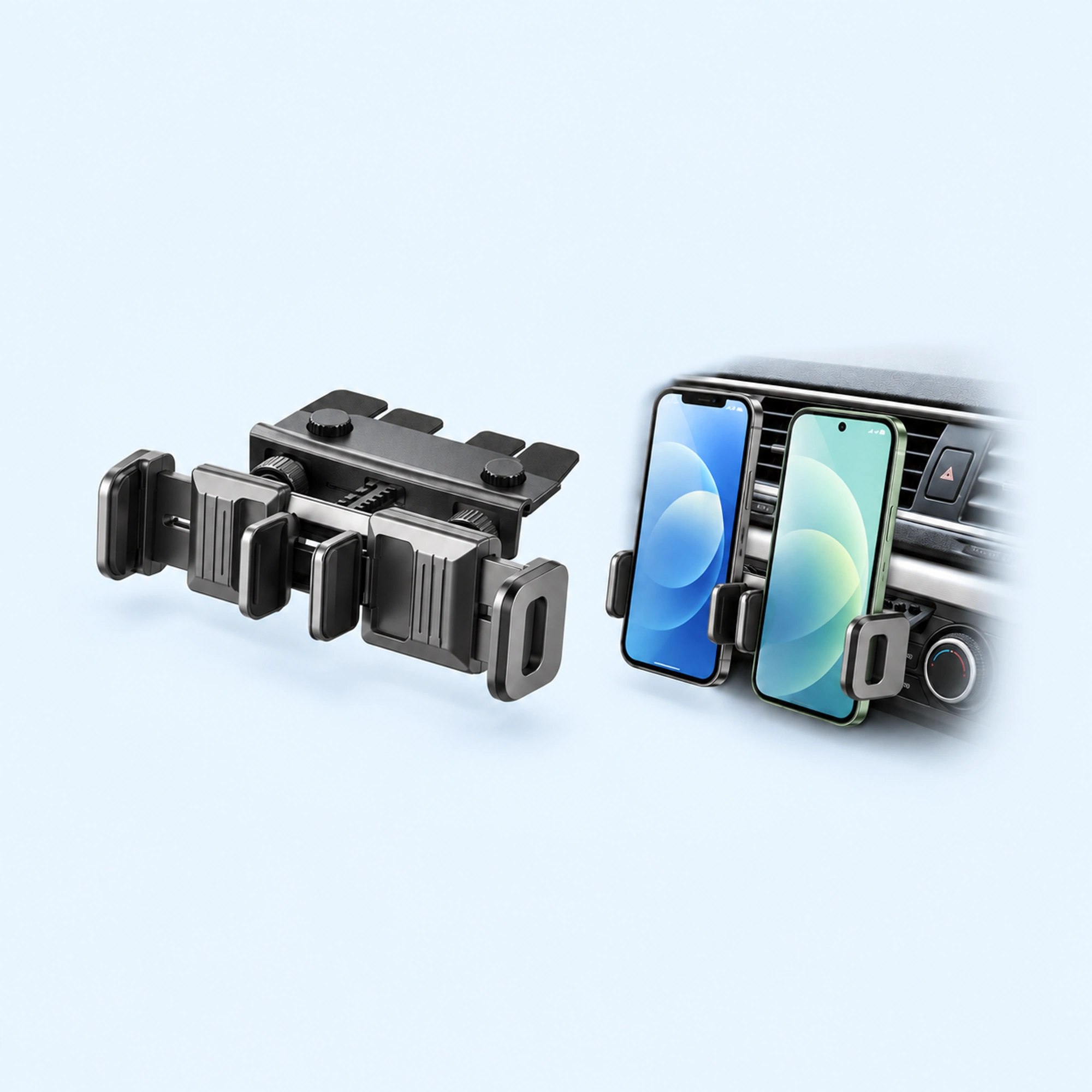 Dual-Cradle CD-Slot Phone Mount | Cd Phone Holder
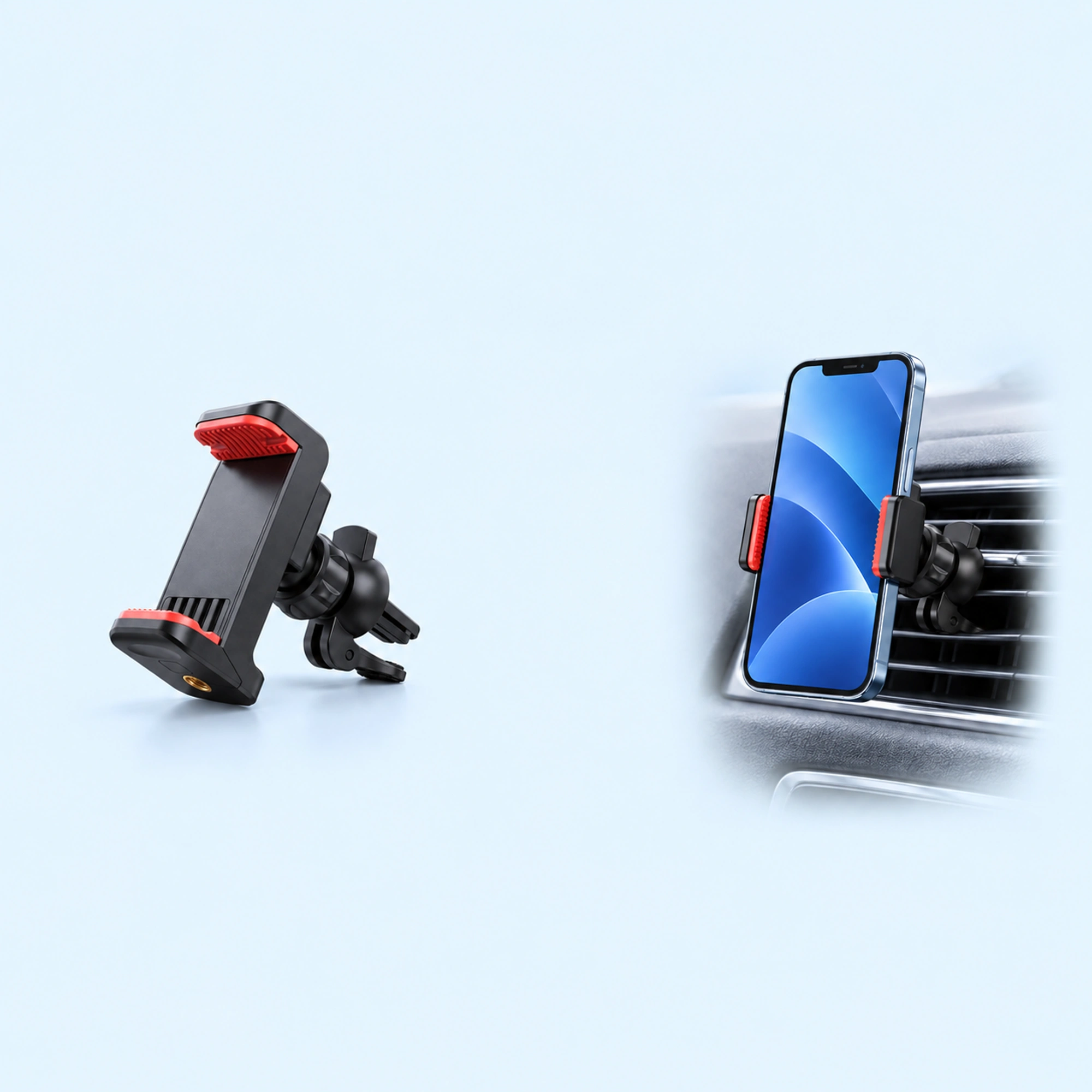 Red-Pad Compact Vent Phone Clip | Car Vent Phone Holder
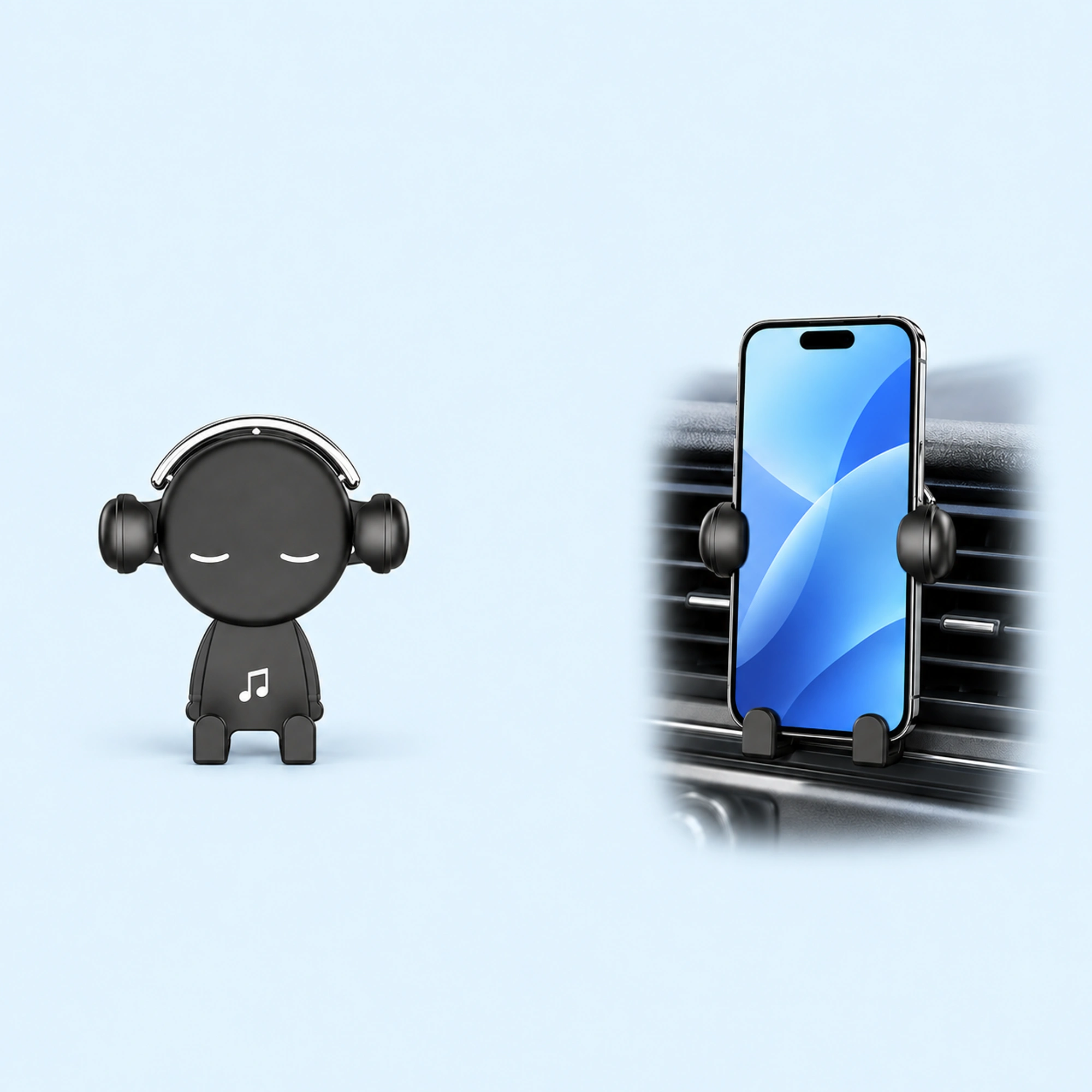 Music-Note Character Gravity Vent Holder | Gravity Phone Holder
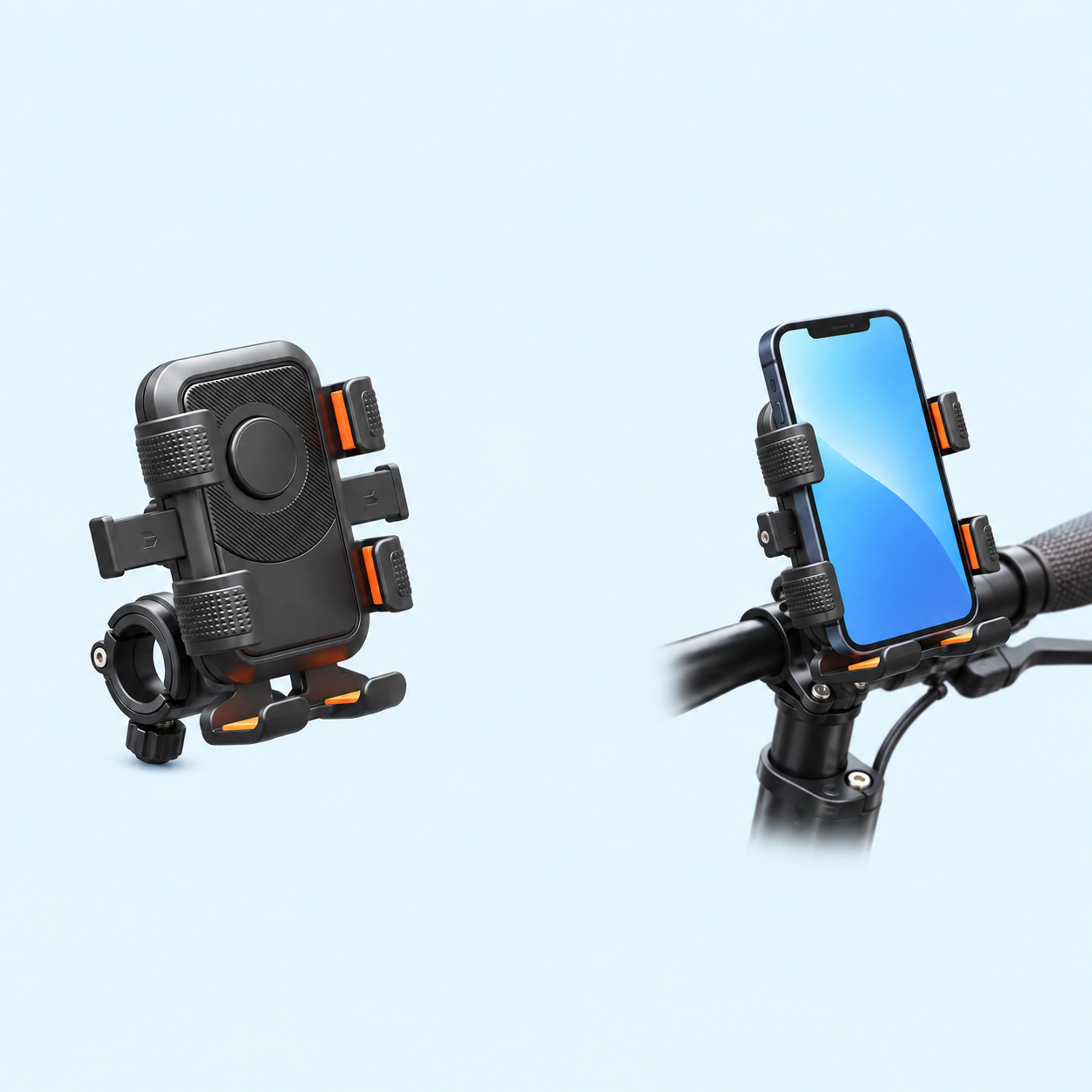 Black Six-Pad Handlebar Phone Cradle | Bike Handlebar Phone Mount
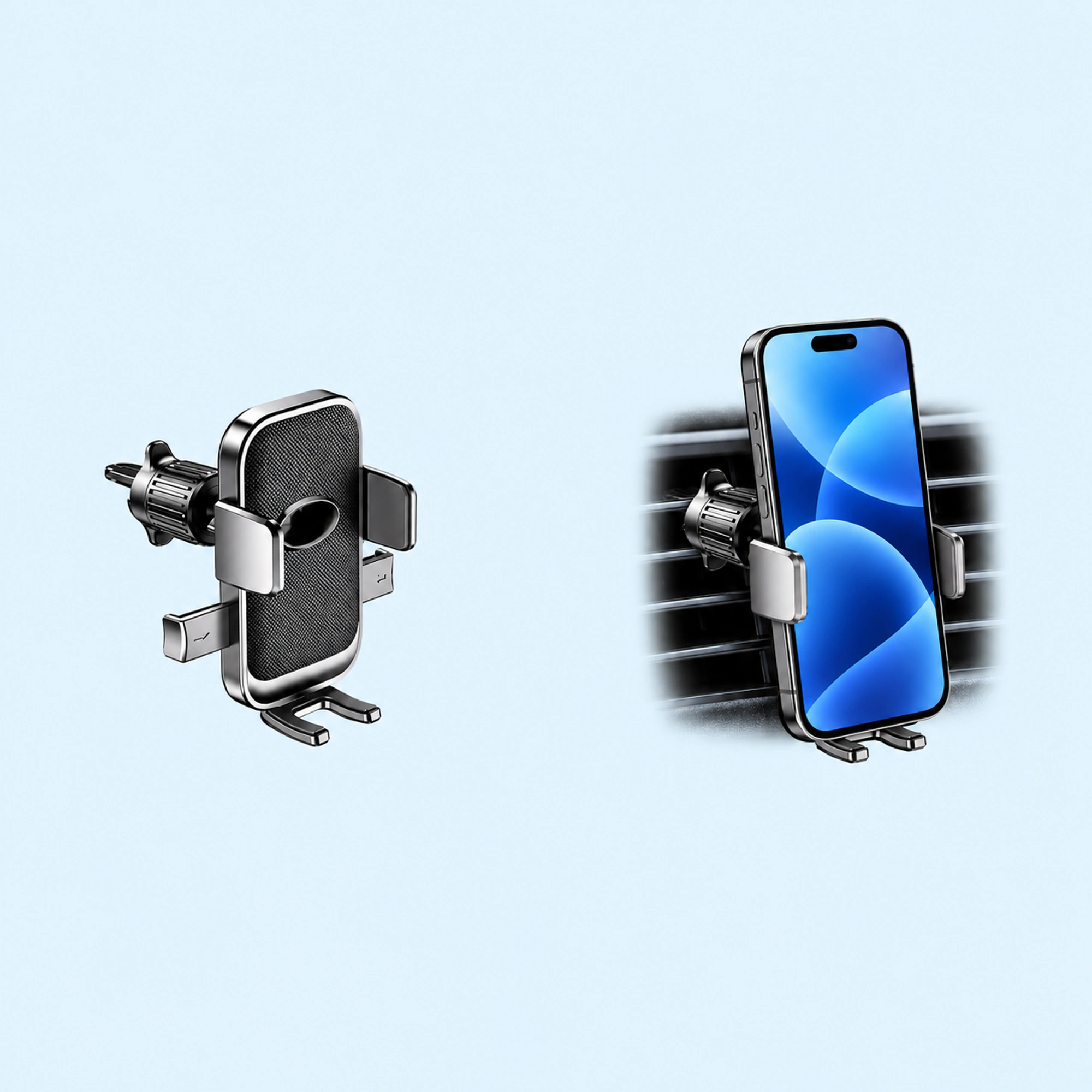 Oval-Opening Textured Vent Phone Cradle | Car Vent Phone Holder

A wireless car charger mount supplies continuous power to smartphones navigating demanding road trips without cluttering the center console with loose cables. Mounting a handset at dashboard eye level while replenishing battery reserves keeps navigation apps active, screen backlights visible, and hands on the steering wheel. However, running GPS mapping software alongside screen-on operation generates significant internal thermal energy. When paired with wireless induction coils and direct summer sunlight streaming through windshield glass, excessive cabin warmth frequently triggers phone overheating warnings, slows charging rates, or suspends battery intake entirely.
Selecting the right wireless charging car mount requires balancing induction coil alignment against case thickness and cabin airflow. This guide compares vent-clipped wireless charging car phone holder cradles with adjustable feet against magnetic suction mounts to help drivers maintain steady charging rates on long highway drives.
Induction Coil Alignment: Adjustable Feet vs Fixed Magnetic Rings
Wireless power transfer relies on inductive electromagnetic coupling between the internal transmitter coil inside the cradle and the receiver coil inside the phone. Even a minor five-millimeter vertical misalignment between coil centers creates electrical resistance, converting useful power into wasted heat.
Two distinct coil centering approaches exist across vehicle mounts:
- Mechanical Trays with Lower Phone Supports: Cradles featuring an adjustable bottom foot that raises or lowers the smartphone to center its internal induction coil over the charging core.
- Magnetic Alignment Rings: Mounts with circular magnetic arrays that automatically snap compatible smartphones into precise coil alignment without manual tray adjustments.
For drivers using standard smartphones with varying camera bump dimensions, an adjustable lower foot ensures the phone rests at the proper height for efficient power delivery.
Air Vent Mounting and Airflow Cooling
Mounting a wireless charging holder directly in front of an air conditioning register provides continuous heat dissipation for high-draw navigation sessions. The Black and Orange Wireless Charging Car Phone Holder pairs a glossy black front panel with high-visibility orange inner pads.
Its air-vent attachment secures to horizontal vent louvers via a ribbed adjustment collar. The cradle features two side arms and a lower phone support that hold the smartphone firmly over rough road surfaces. By positioning the handset directly in the path of cabin air conditioning, this design cools both the wireless induction coils and the phone battery, preventing thermal throttling during warm summer road trips.
Folding Arms and Rotating Suction Mounts
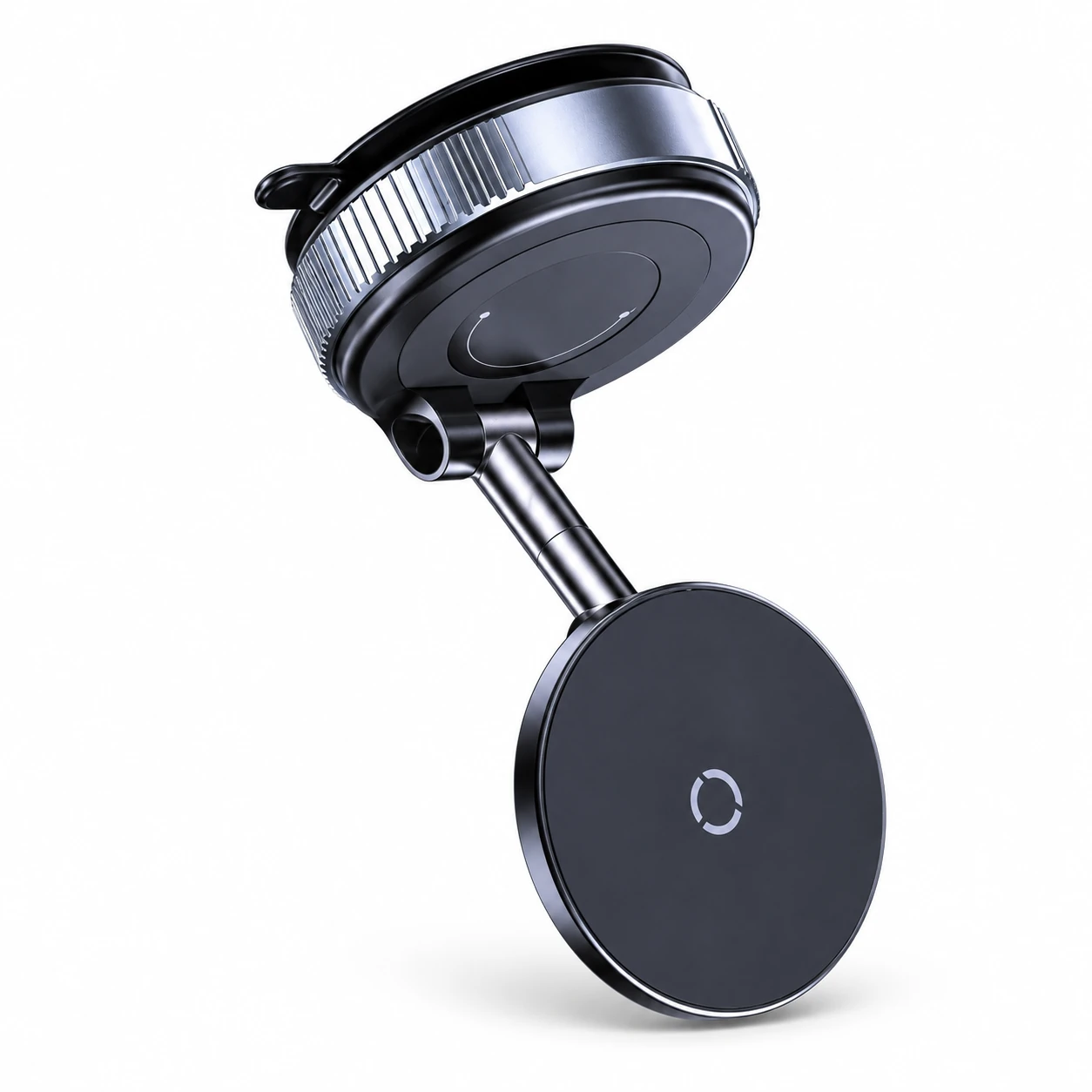
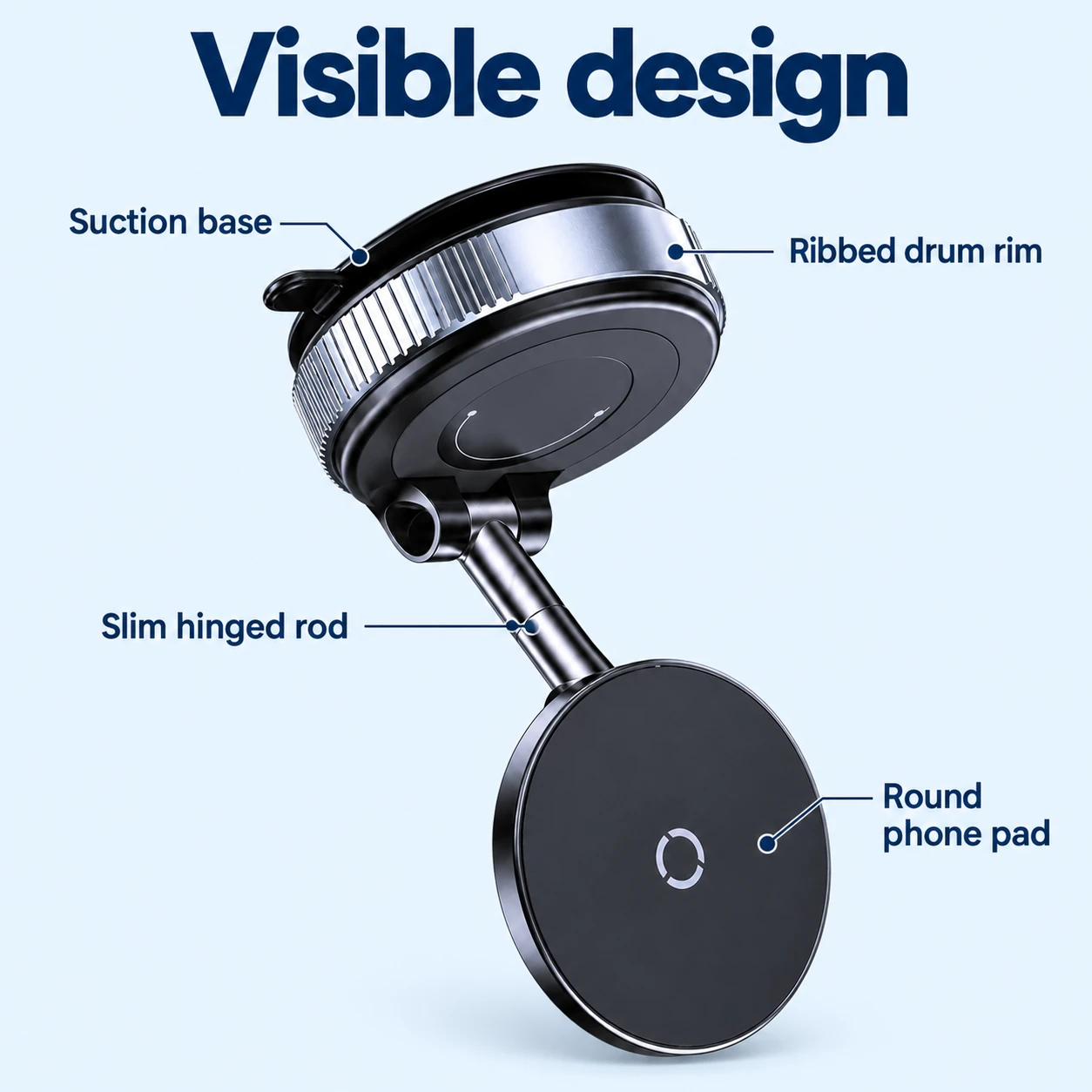
Drivers with recessed windshields or rounded dashboards often prefer articulating suction bases. The Wireless Charging Car Phone Holder with Folding Arm features a circular charging pad connected by a slim hinged rod to a drum-shaped suction base.
The drum-shaped base incorporates a grooved silver locking bezel and silicone vacuum pad that adheres to windshield glass or flat console surfaces. Its slender metallic rod pivots at both ends, allowing drivers to position the phone away from direct sun exposure or collapse it flat against the dash when parked.
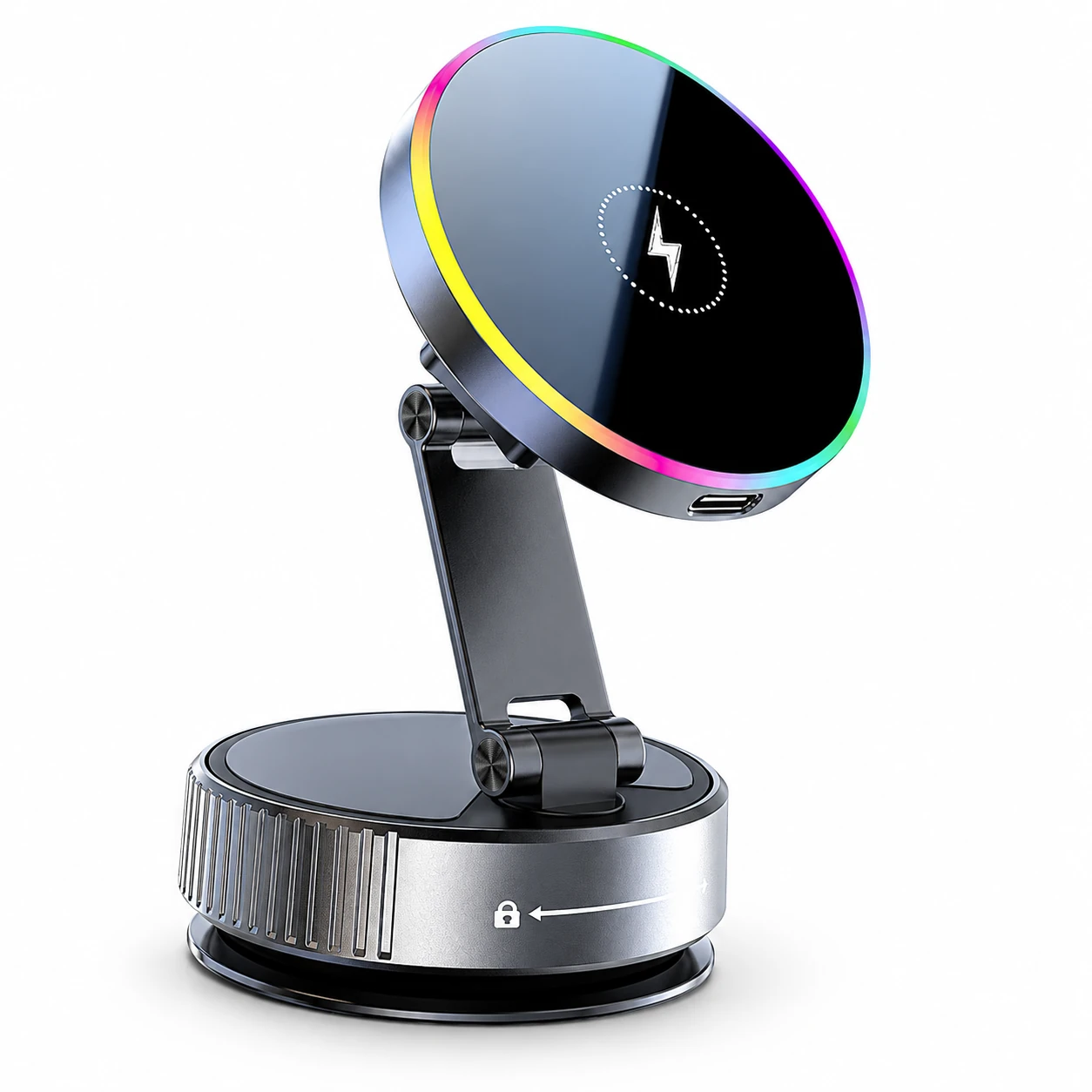
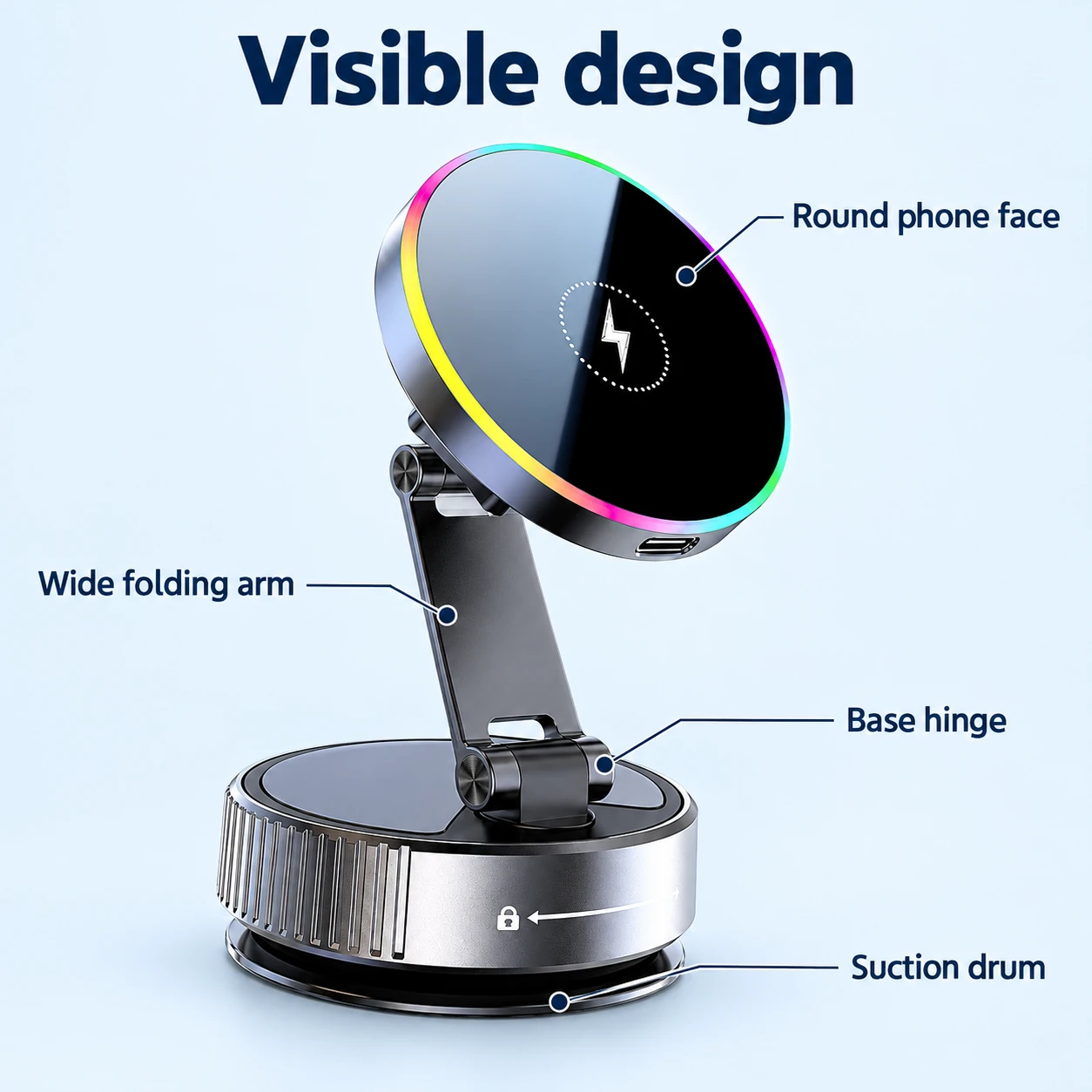
For larger devices requiring broader lateral bracing, the Black Wide-Arm Suction Cup Car Phone Mount combines a wide folding arm with a circular magnetic charging face. Its sturdy base hinge and ribbed rim withstand braking forces, while the round face delivers effortless magnetic docking for landscape or portrait viewing.
Phone Case Thickness and Heat Management Rules
Before attaching a wireless charging car phone holder, drivers should evaluate phone case construction and dashboard sun exposure.
Key charging practices include:
- Case Thickness and Metal Inserts: Ensure phone cases do not exceed four millimeters in thickness, and remove all magnetic metal kickstands or credit cards that block wireless flux lines.
- Direct Sun Exposure: Mount phones below the windshield brow line or attach them to air vents to shield battery cells from radiant solar heat.
- High-Wattage Power Adapters: Connect the wireless mount to a dedicated dual-port USB car adapter delivering stable 9V or 12V current rather than low-power factory dashboard USB ports.
Matching coil alignment with active air conditioning airflow ensures dependable navigation charging without thermal slowdowns.