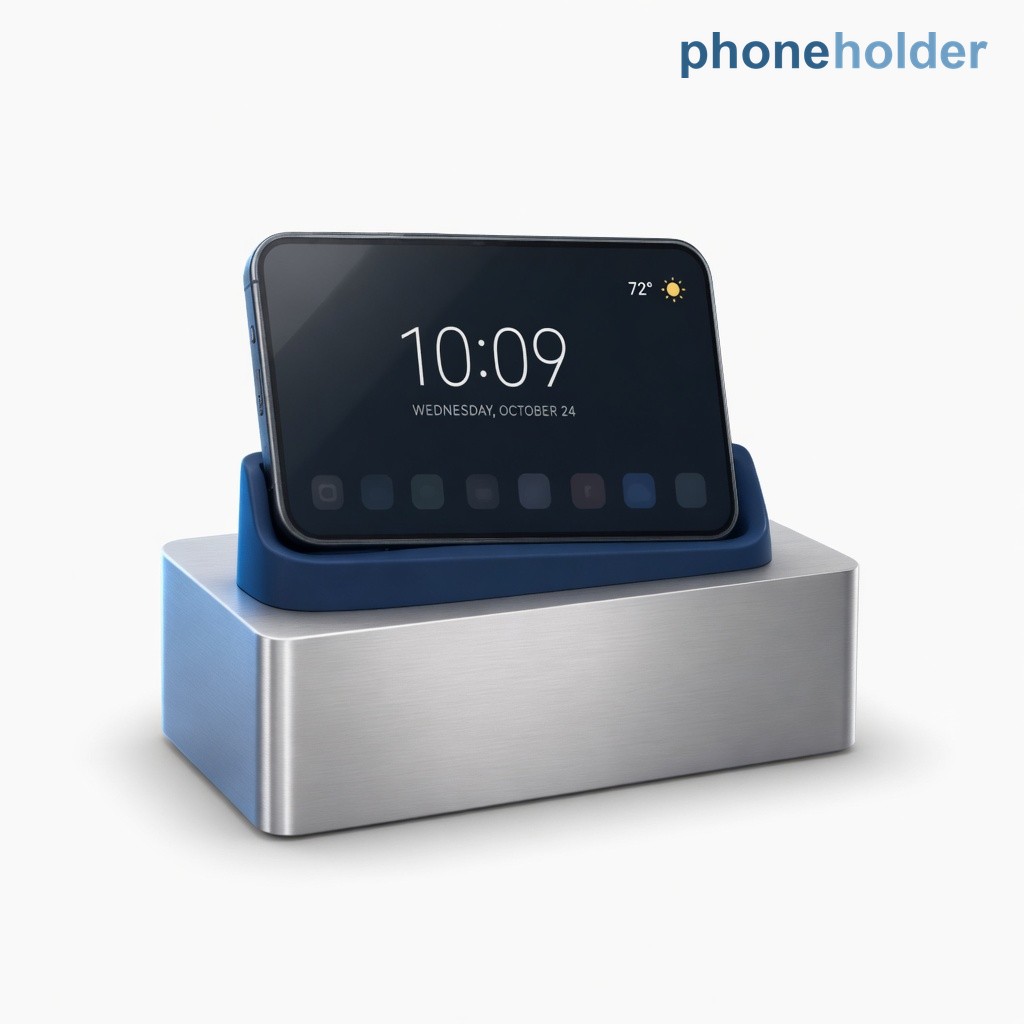
 Desk Dock
 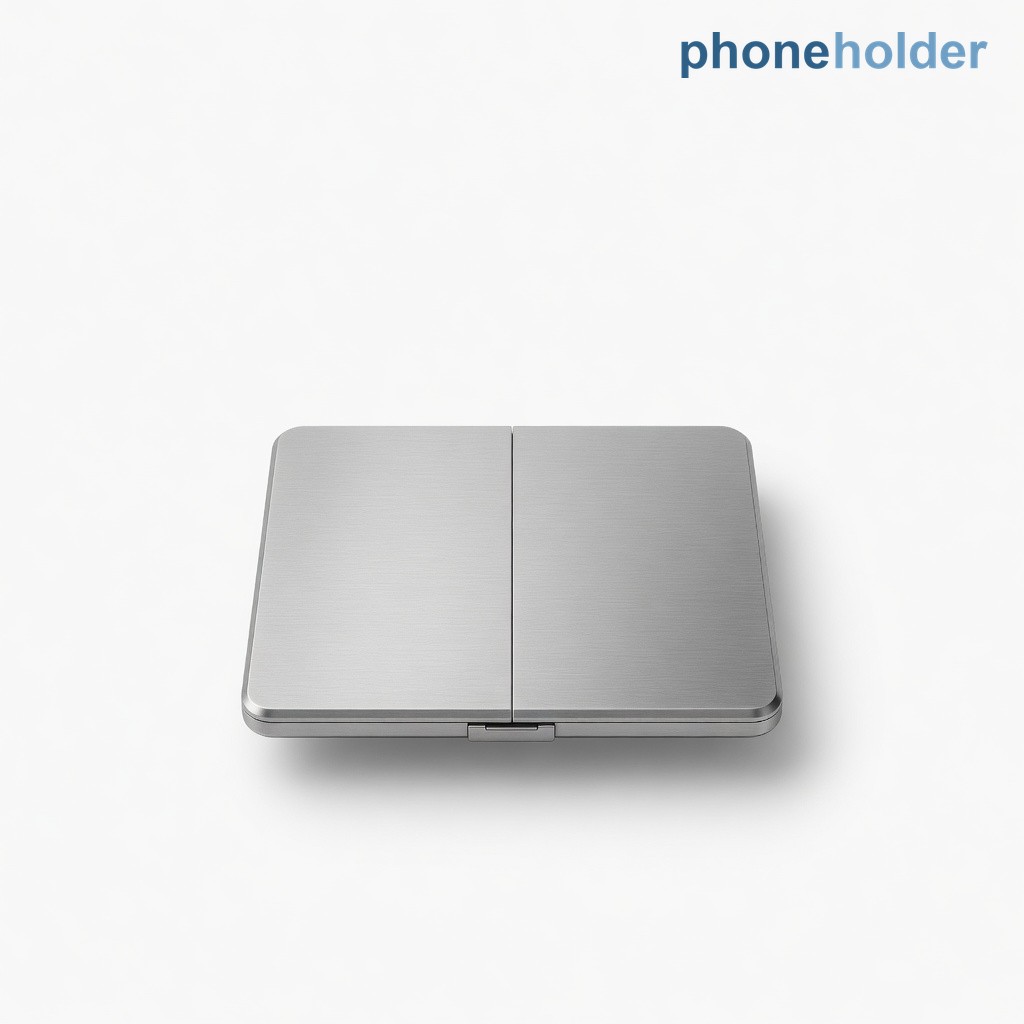 Travel Dock
 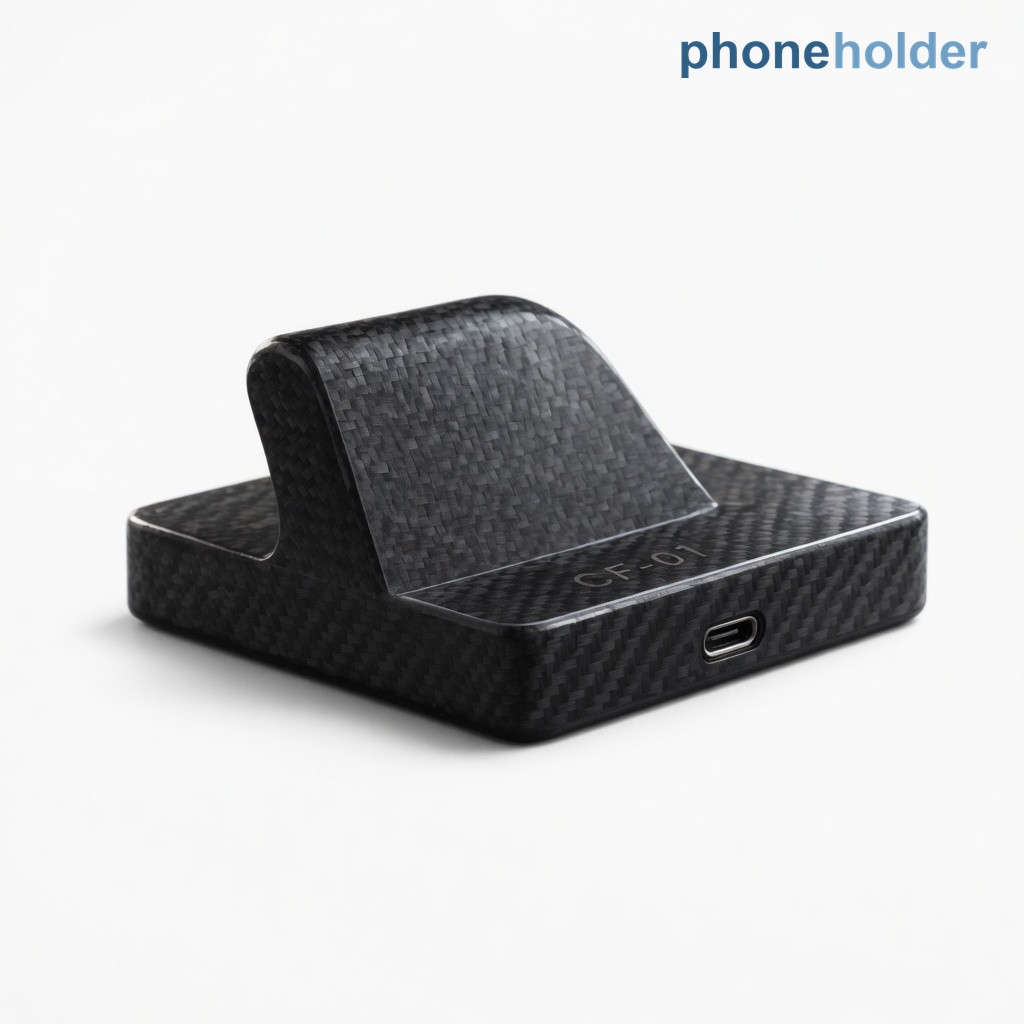 Carbon Dock
 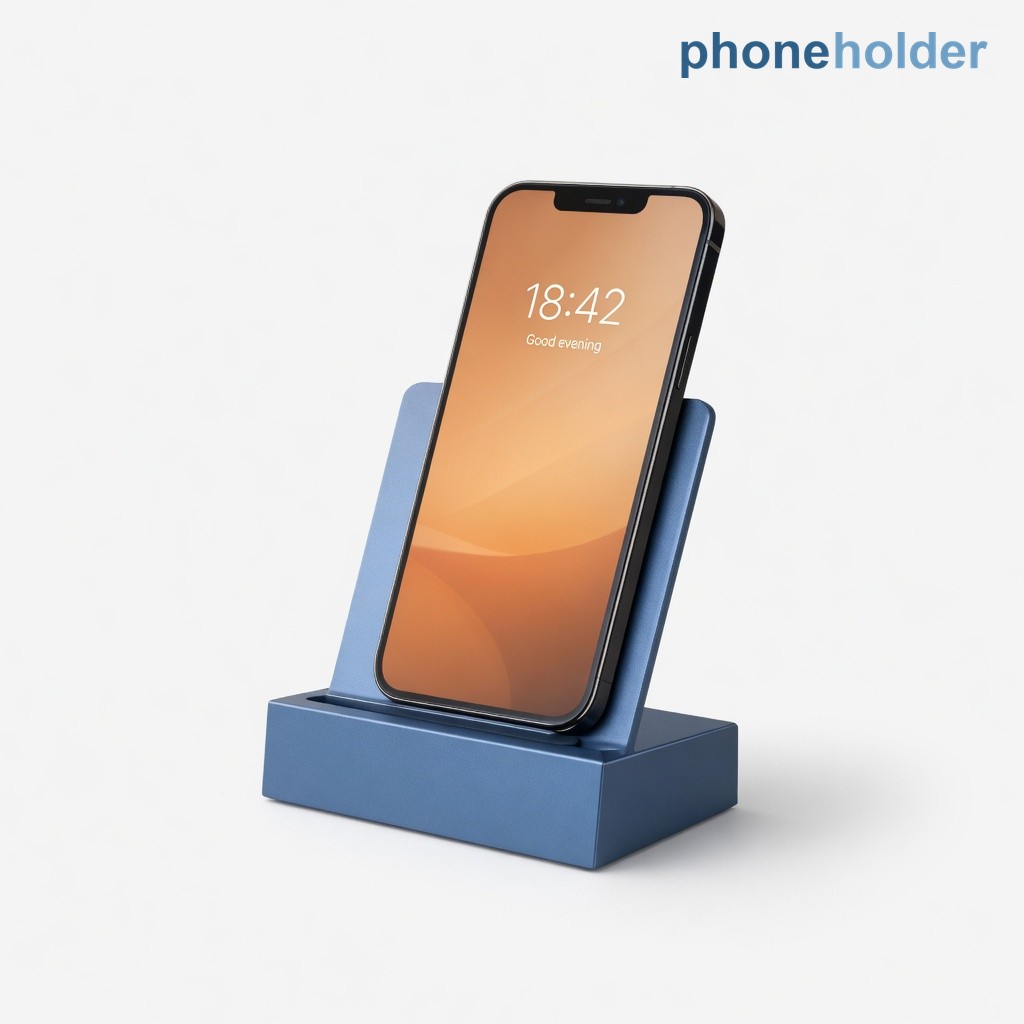 Aurora Dock
 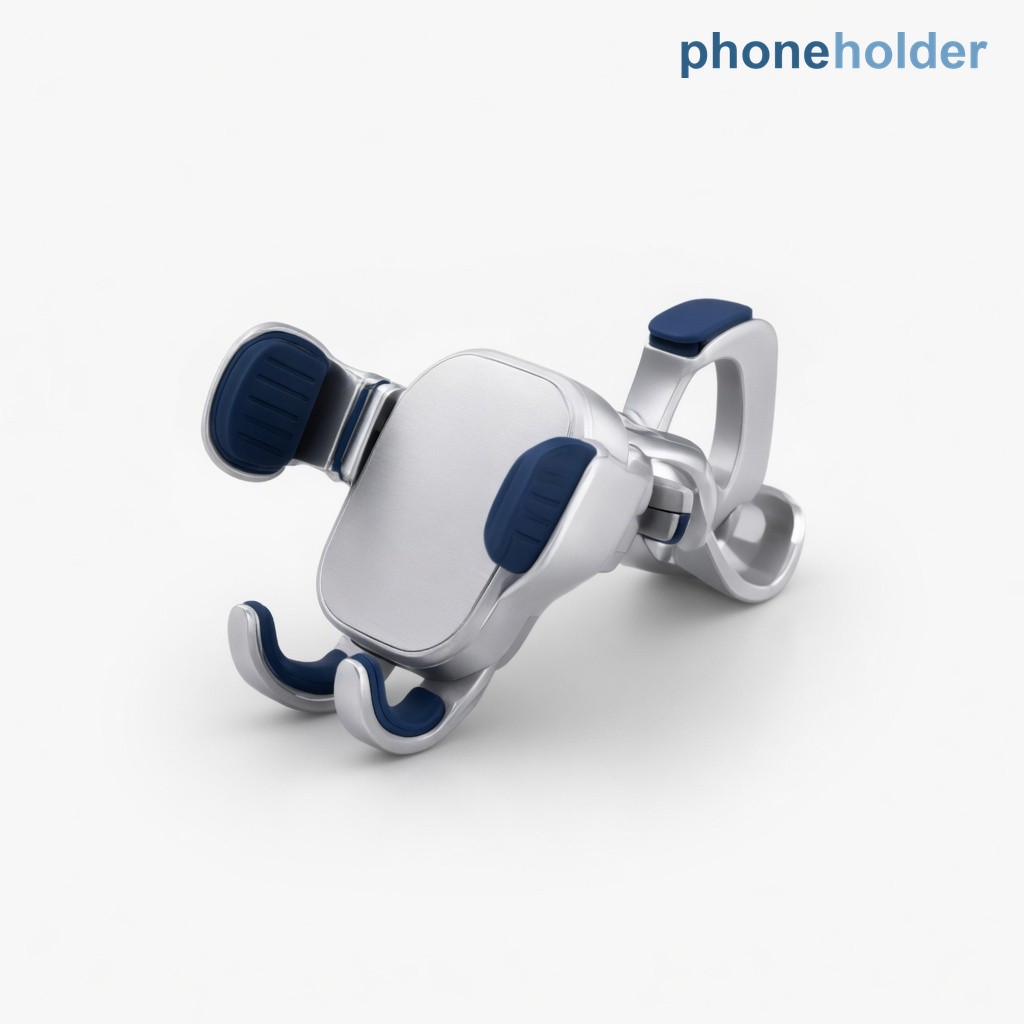 Car Vent Clip
 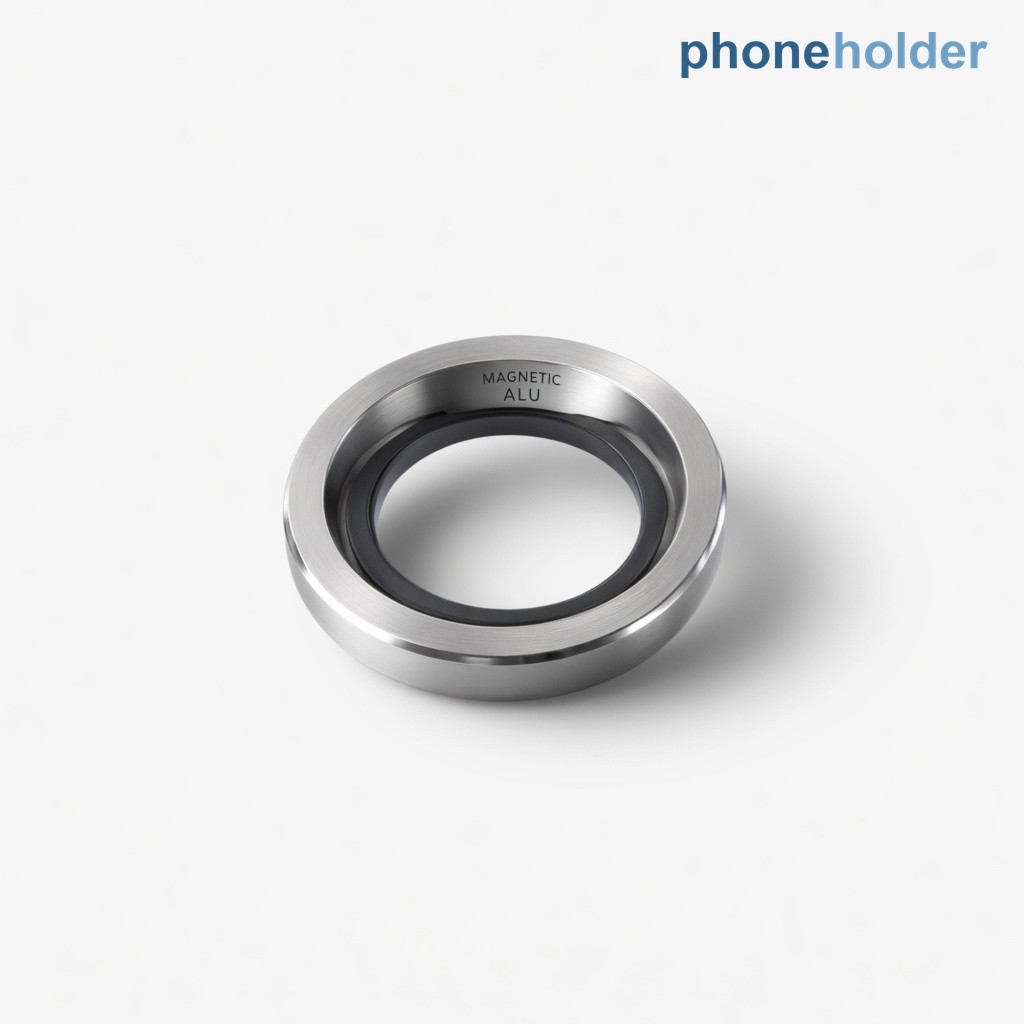 Mag Grip Ring
 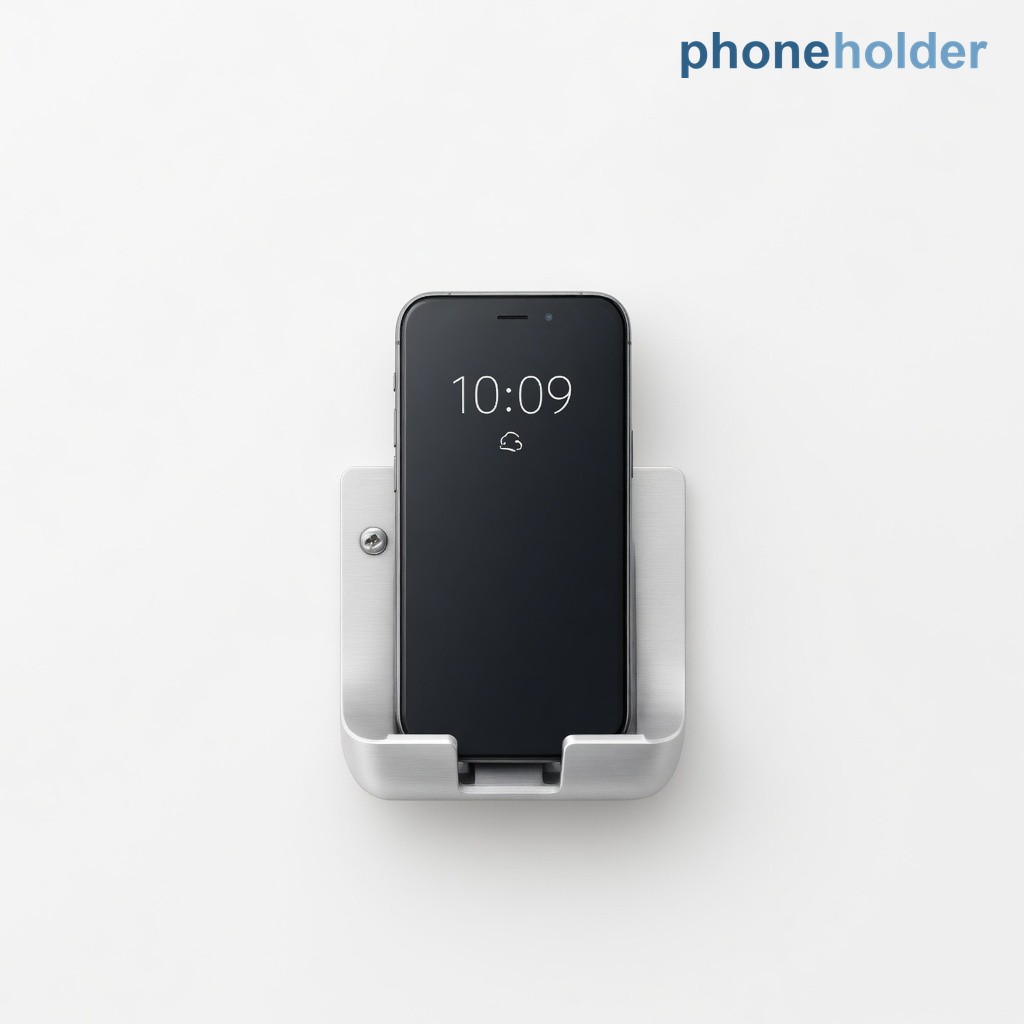 Wall Mount
 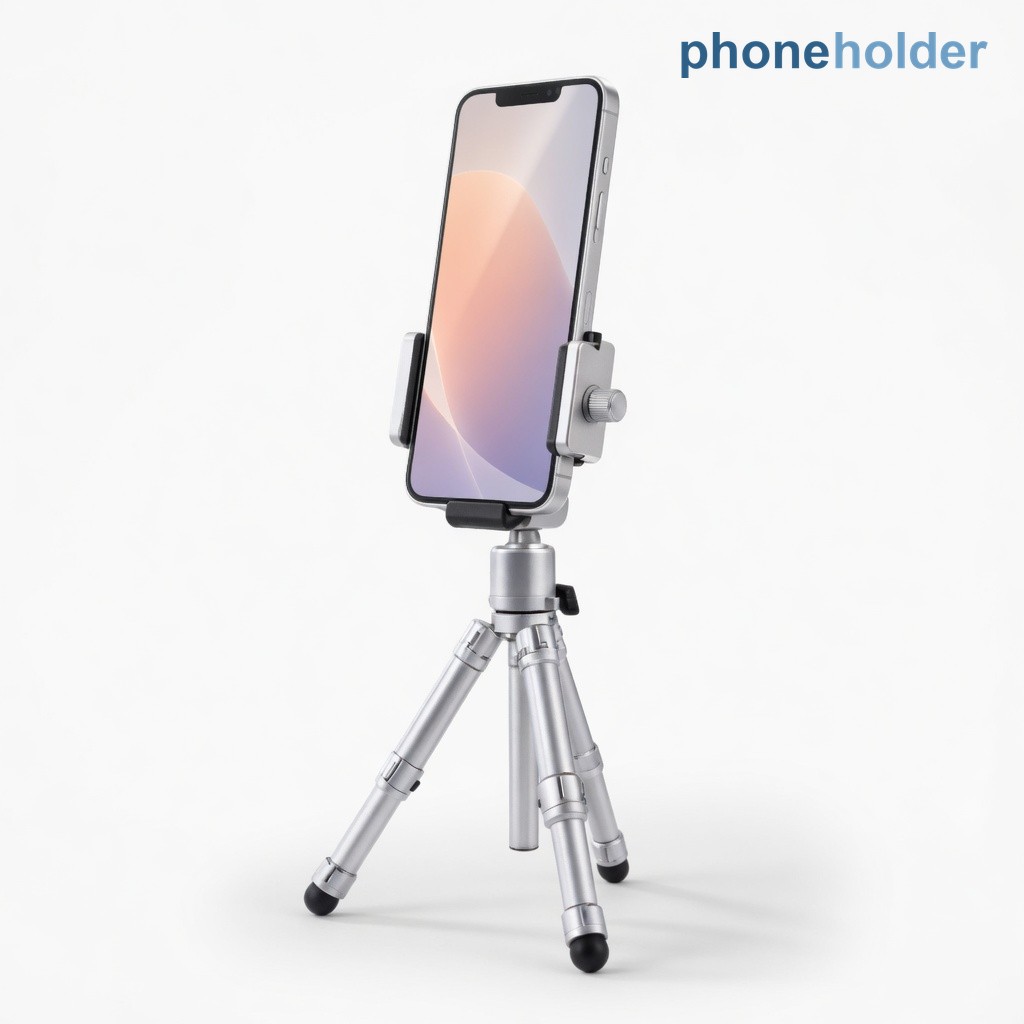 Folding Tripod
 A phone chest mount is the standard answer for first-person filming because the chest is the part of the body that moves least while you walk, ride or work with your hands. It is not the only answer. A neck holder puts the camera at the same height with far less to strap on; a helmet mount sees where your head turns; a backpack-strap clip is the fastest to fit and remove. This guide compares the five places you can wear a phone camera by three things that actually change the footage (camera height, what moves the camera, and how quickly you can get the phone off) and uses our own products as examples.
We sell these mounts and have not measured stabilization, strap loads or retention on any of them. Nothing below claims a shake rating.
The five wearing positions
| Position | Camera height | What shakes it | On/off speed | Best for |
|---|---|---|---|---|
| Chest harness | Sternum | Torso sway, breathing | Slow (straps and buckle) | Walking, cycling, hands-on work |
| Neck holder | Sternum to collarbone | Torso sway plus the loop swinging | Fast (lift over head) | Cooking, crafts, unboxing, casual vlogs |
| Helmet | Eye line | Every head turn | Medium (adhesive base stays on) | Point-of-view where you look |
| Backpack strap | Collarbone, off-center | Strap movement, bag shifting | Fastest (clip) | Hiking, travel, quick clips |
| Hand rig with cold shoe | Wherever you hold it | Your arm | Instant | Interviews, adding a mic or light |
Height decides what’s in the frame: a chest camera sees your hands and the table; a helmet camera sees what you look at. Shake decides whether the footage is usable without software stabilization.
Chest harness
The Black Chest Phone Harness for POV Filming is the full harness: two shoulder straps with sliding adjusters, a horizontal torso belt with a buckle, a front plate, and a bracket with adjustment knobs that carries a mechanical phone clamp. In the supplier’s setup the phone sits upright with its rear cameras above the clamp, facing away from you. The supplier lists outdoor and cycling use and provides no impact or stabilization test data; a strap-length range and clamp dimensions aren’t published either, so check both against your build and phone.
Two practical notes. Fit it over the clothing you’ll film in, because a jacket changes the strap length. And make a ten-second test clip before every session: the chest angle that looks right in a mirror often points the camera at the floor.
Neck holder
For anything you do standing at a bench or counter, a neck holder gives nearly the same camera height with one loop instead of four straps. The Articulated Neck Phone Holder for Filming has a light gray loop that runs behind the neck to a black chest plate, a short link and a longer slotted arm that carries the clamp away from your chest. The phone sits horizontally, rear cameras forward, screen toward you. Because the loop hangs rather than straps, it swings when you walk; it is the right choice for stationary hands-on filming and the wrong one for cycling. No clamp-width range, weight limit or loop dimensions are published.
Helmet mount
A helmet mount sees where you look, which is what people mean by point-of-view on a bike or a board. The Black Helmet Phone Mount with Adhesive Base is a rectangular phone cradle with two raised end jaws, a short hinged arm and a rounded adhesive base; the supplier reference also shows a separate red-backed adhesive pad. The listing is careful about what it doesn’t know: adhesive strength, curing time, weather resistance, clean removal and helmet-surface compatibility are all unverified, and no moving-use retention test exists. That means: fit it to a flat patch of shell, cure it as long as the adhesive packaging says, and treat the first ride as a test with nothing valuable on it.
Backpack-strap clip
The Backpack Phone Holder with Shark Clip is the quick option: a wide toothed clip that bites a shoulder strap, a short hinged arm with a thumbscrew, and a cradle that grips two opposing edges of the phone. It sits off-center at collarbone height, which is fine for hiking clips and travel b-roll. The supplier gives no clip-opening or strap-thickness range and establishes no running or cycling retention, so keep it to walking pace.
Hand rigs and cold shoe clamps
If you’d rather hold the camera and add a microphone or light, the wearable question disappears and the connection question appears. The KY18 Dual Cold Shoe Phone Clamp is a jaw clamp with two cold shoe points and a hinged mounting foot for a handle or tripod; our iPhone tripod guide covers the rest of that setup.
Two special cases
- Filming through an eyepiece. If the camera needs to sit on a spotting scope, telescope or microscope rather than on you, that’s a scope phone mount: a screw-adjusted eyepiece clamp and a padded phone cradle on a slotted rail. Eyepiece-diameter and phone-width ranges aren’t published, and the adapter adds no magnification.
- Filming your hands from above. For a top-down view of a desk or worktop, wear nothing and clamp a folding articulated overhead phone mount to the edge of the table instead. Arm reach and load capacity are unverified; adjust it with the phone supported.
Quick answers
Is it good to put a phone on the chest? For first-person footage it is the steadiest body position and the one that shows your hands. It is not the position that shows what you look at; that’s the helmet.
How do I mount my phone to my chest? With a harness (shoulder straps plus a torso belt and a front clamp) or a neck holder (a loop and a chest plate). Fit over your filming clothes, set the phone with rear cameras outward, and check a test clip.
What is the best chest mount for a phone? The one whose clamp fits your phone in its case and whose straps fit your torso; neither of ours publishes those ranges, so measure. A harness for movement, a neck holder for standing work.
Is it legal to have a phone mount? Wearable filming mounts are not driving mounts and are not covered by windshield and dashboard rules. If you film while cycling or on the road, local rules on cameras and on handling a phone while moving still apply; check them, and never operate the phone while riding.
Checklist before you order
- Decide the camera height you want: hands and table (chest, neck), or where you look (helmet).
- Decide how much you’ll move: harness for movement, neck loop for standing still.
- Check the phone with its case against the clamp; no listing here publishes a jaw range.
- For adhesive bases, plan the cure time and a test outing.
- Record a test clip before anything you can’t repeat.
Everything above is $19.99 at the time of writing. Tell us what you film and we’ll say which position to rule out.
Editor’s note: product facts come from each listing on this site and its supplier information. We have not measured stabilization, strap loads or retention. Drafted with AI assistance and reviewed by the Holderphone team.