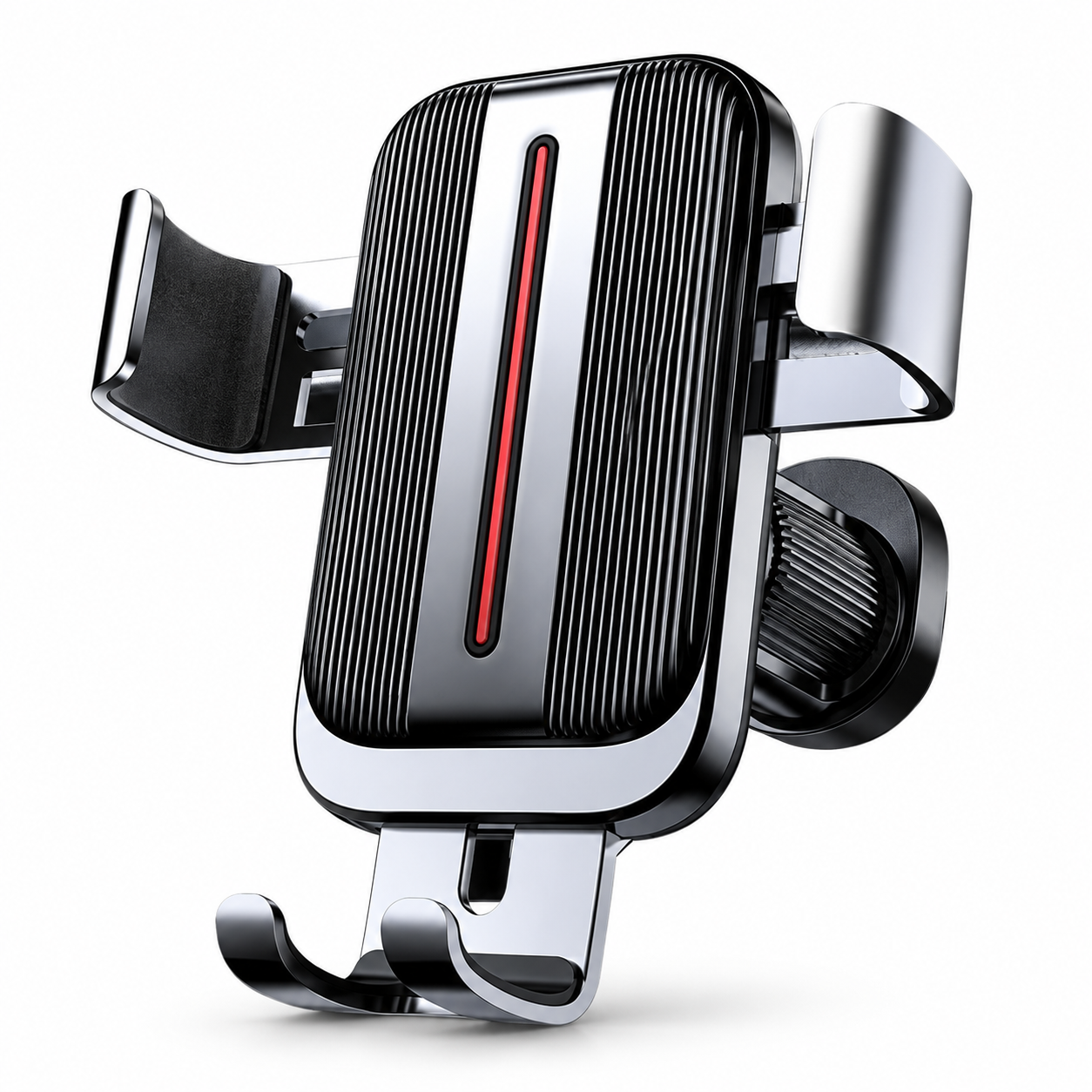
 Gravity Air Vent Car Phone Holder
 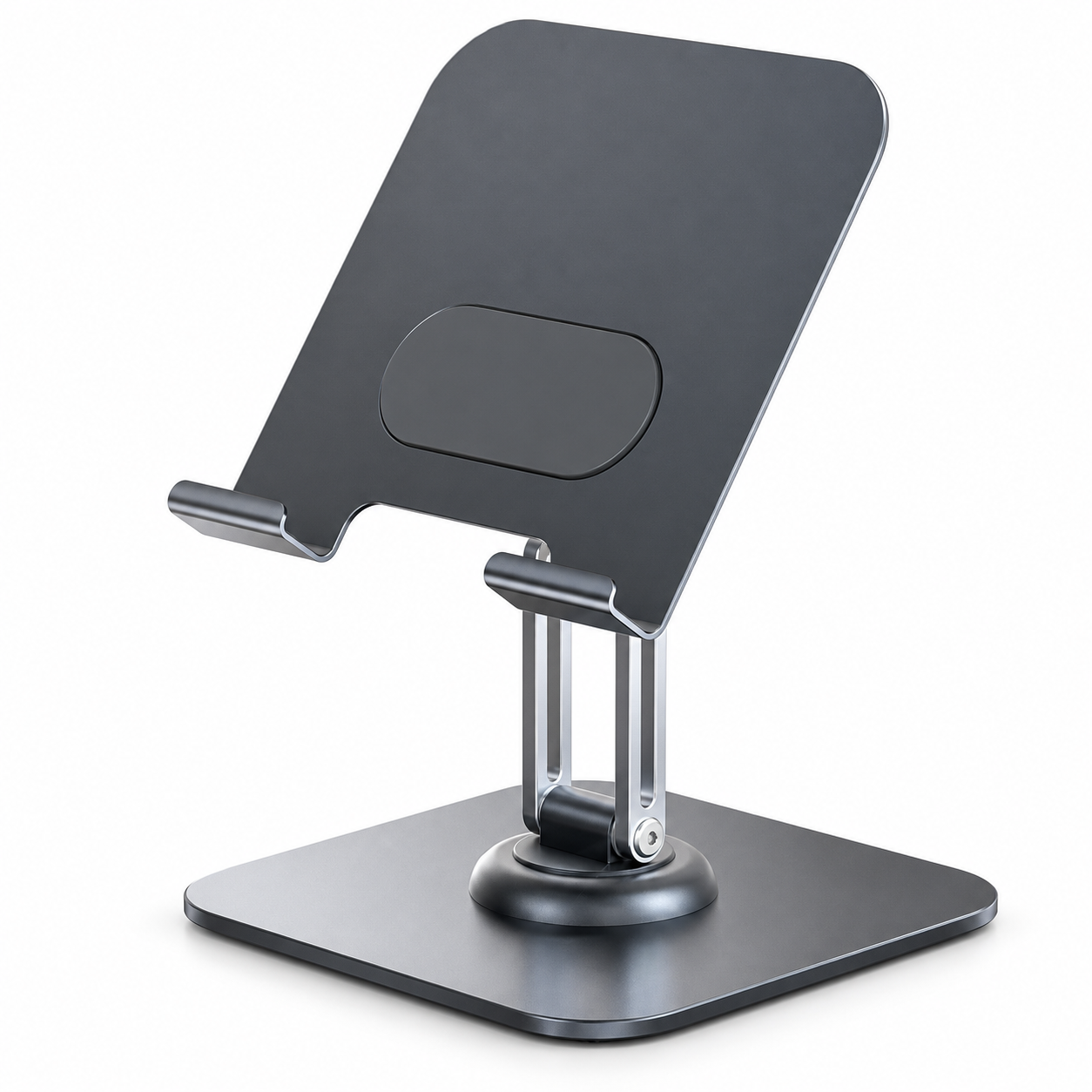 Rotating Foldable Desk Phone Stand
 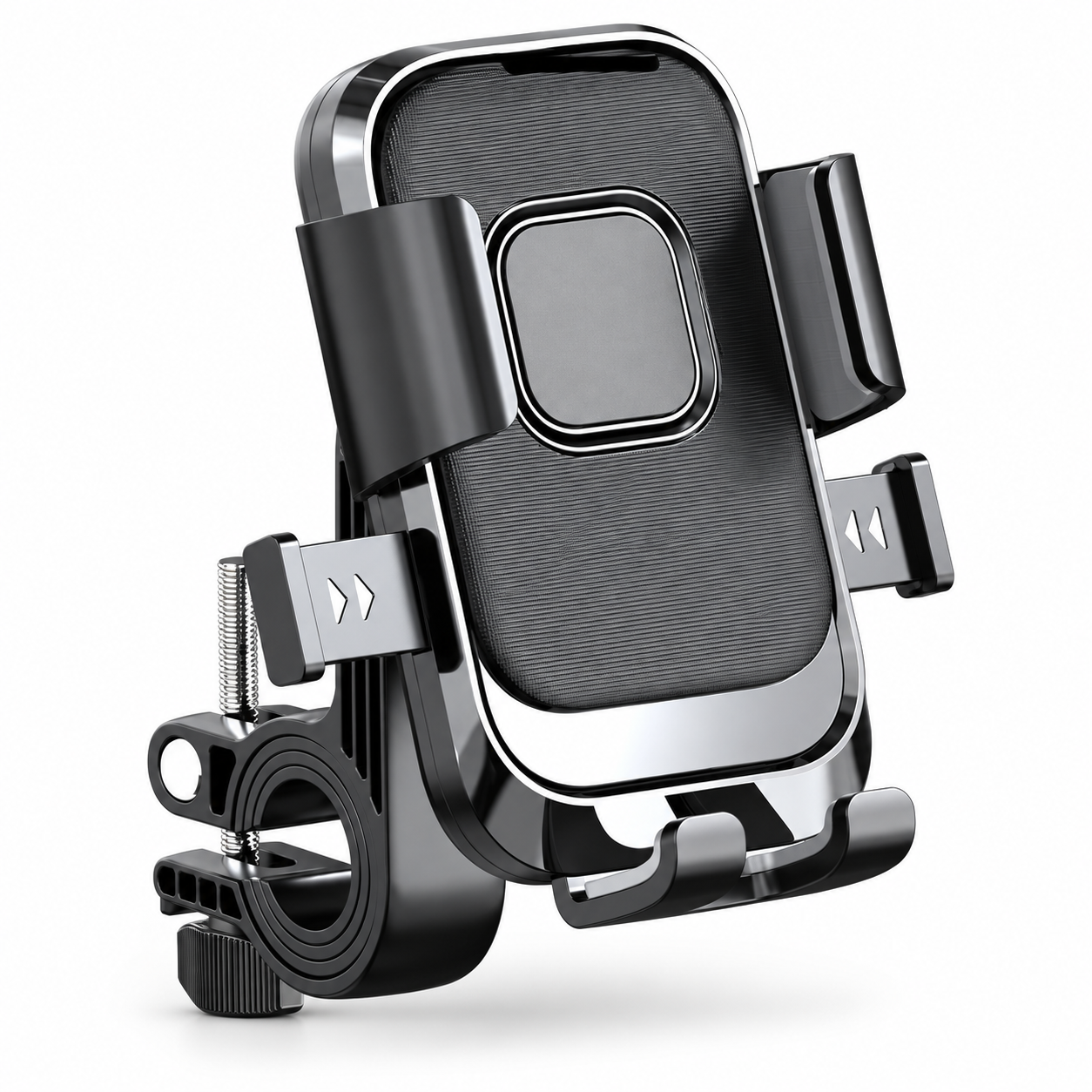 Handlebar Bike Phone Holder
 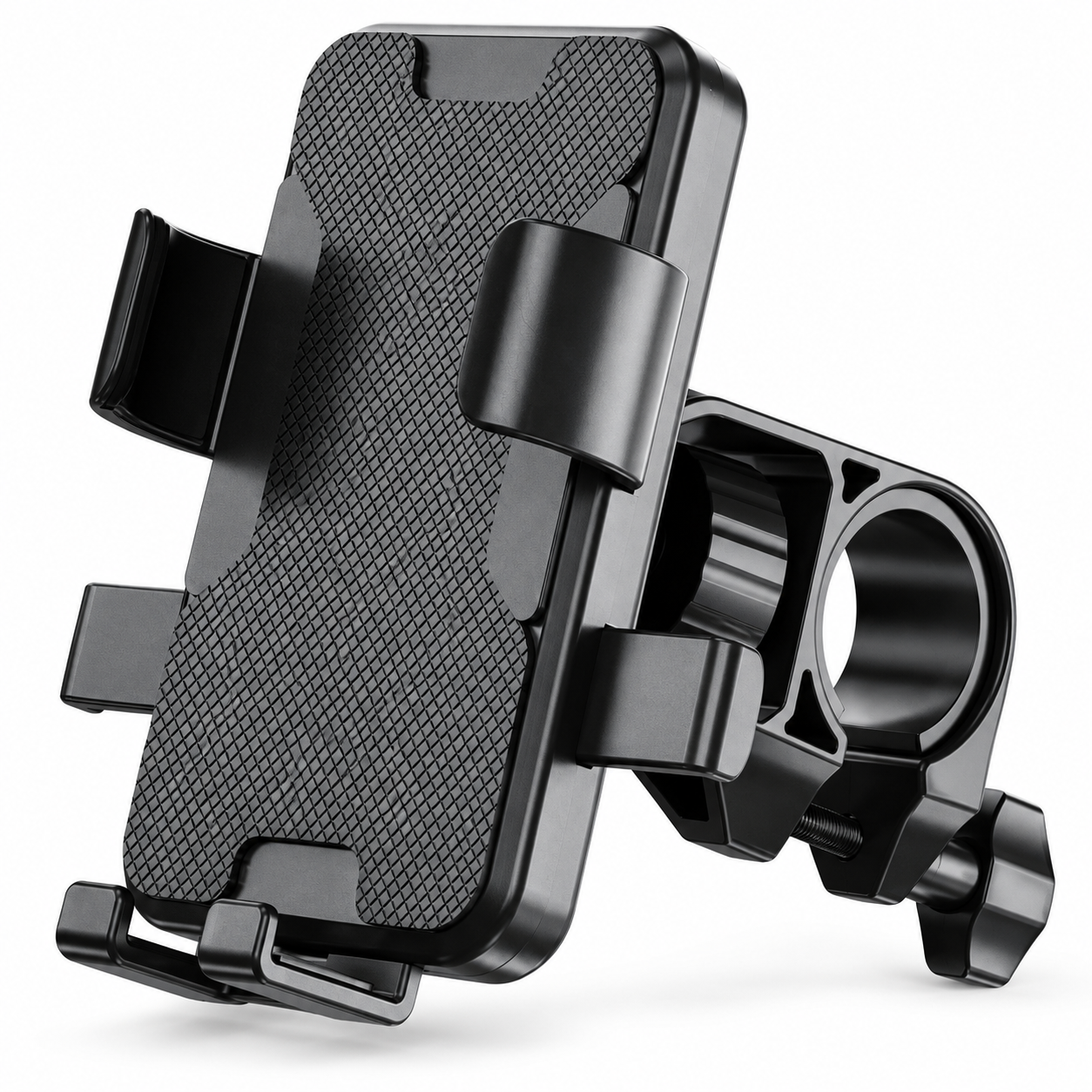 Clamp-On Motorcycle Phone Mount
 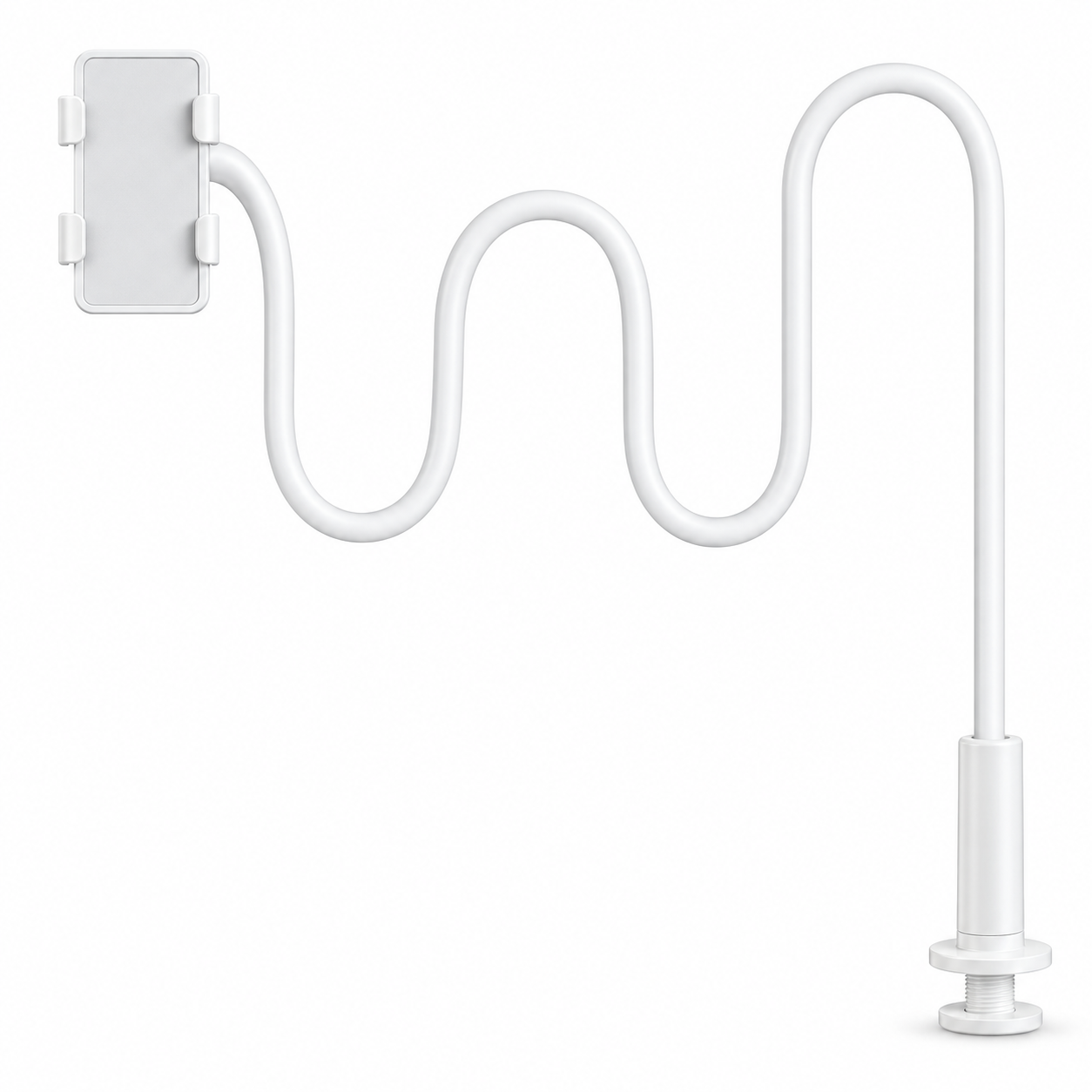 Long Gooseneck Phone Holder for Bed
 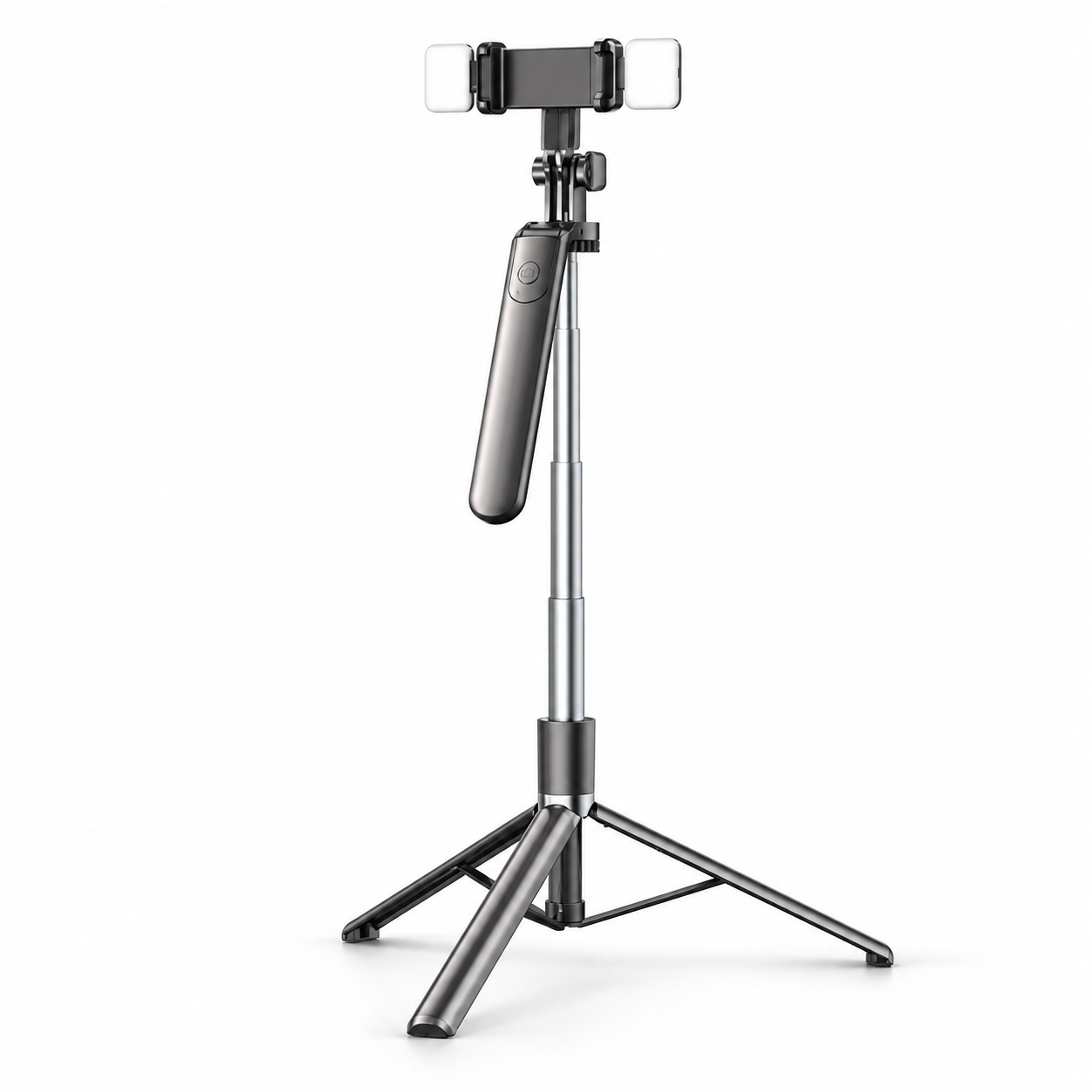 Extendable Phone Tripod & Selfie Stick
 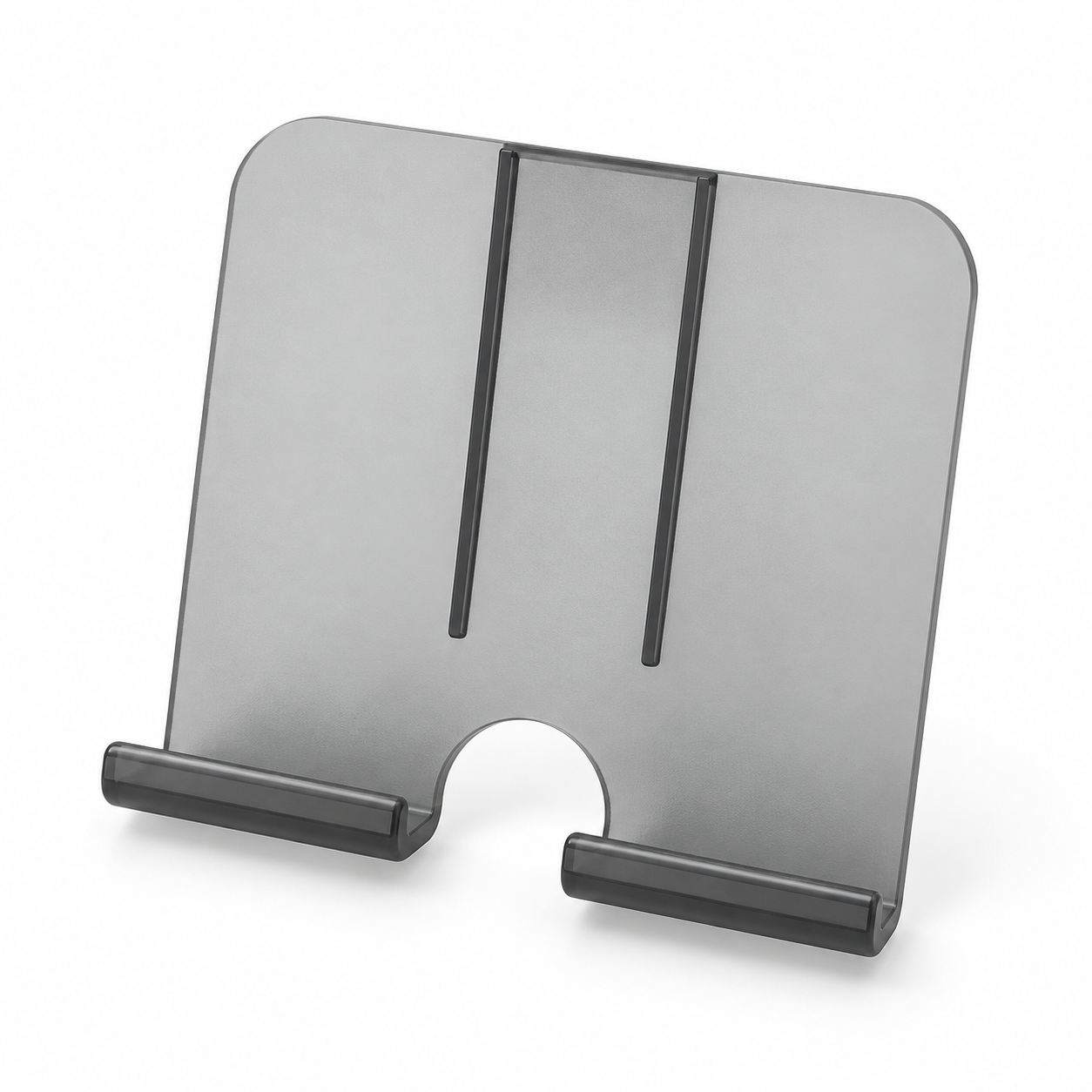 Wall-Mounted Phone Holder
 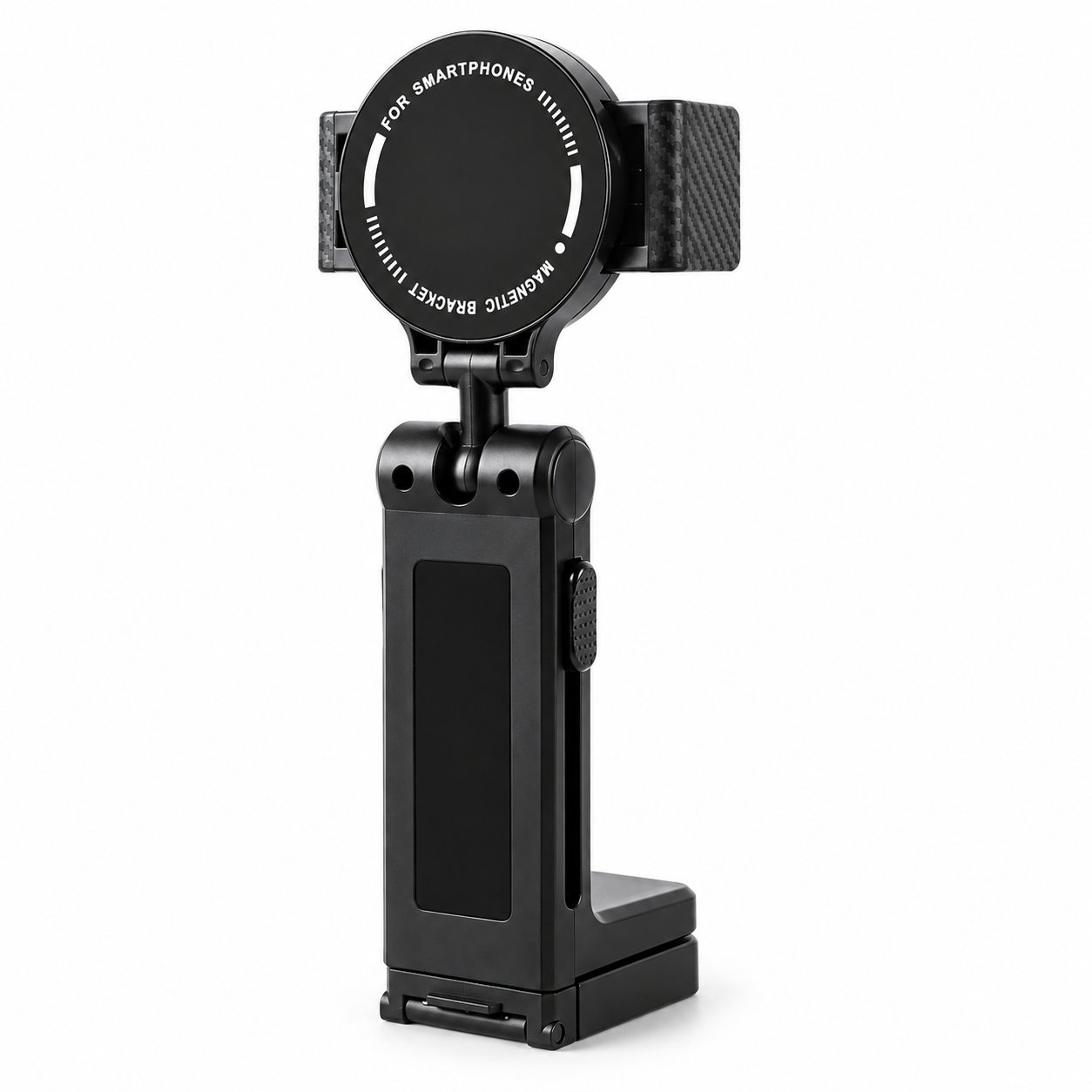 Folding Magnetic Airplane Phone Holder
 A phone holder for mic stand use borrows the one piece of furniture every singer, podcaster and guitar teacher already owns: a stand with a round pole at eye level. Clamp the phone to it and lyrics, a chord chart, a click track or a front camera sits exactly where you look. This guide covers how a mic stand phone holder clamps on, how to set a gooseneck so it stops drooping, where to put it so it does not fight the microphone, and what to use instead if you do not own a stand.
We sell the holders linked below, so read this as a shop’s checklist. Where a listing does not verify a figure, we say so.
How it clamps on
The Gooseneck Mic Stand Phone Holder attaches to the upright pole with a compact screw clamp, then carries the phone cradle sideways on a curved gooseneck. The cradle holds the phone by opposing side jaws in portrait, leaving the screen open. The supplier does not give an arm length or a device-load range, and it does not verify a pole-diameter range, so check two things before ordering: the pole diameter where the clamp will sit (stands step down in diameter toward the top) and your phone’s width with its case.
A phone clamp for mic stand poles of this kind fits round poles only. Square-section stands, and the wide tubes of some heavy boom stands, need a different clamp.
Setting the gooseneck so it stops drooping
A gooseneck holds a phone as long as the phone’s weight stays close to the pole. Set it in this order:
- Clamp low enough that the pole is still thick, and tighten the screw until the clamp does not rotate under a firm push.
- Bring the phone as close to the pole as your view allows; the shorter the extended neck, the less it sags.
- Bend the neck in one smooth curve rather than a series of kinks; kinks are where a gooseneck weakens.
- Load the phone, then check after five minutes. If it has drooped, shorten the reach rather than bending the neck upward again.
- Keep the phone above the clamp, not below it; a phone hanging under the clamp pulls the neck straight.
A phone in a heavy case on a fully extended neck is the setup that droops; a bare phone close to the pole holds all session.
Where to put it around the mic
- Singing: phone beside the mic at eye height, on the side away from your strumming hand, so lyrics read without turning the head.
- Podcasting: below the mic, angled up, so notes are in view without leaning in and out of the mic’s pickup.
- Guitar lessons or filming: above the mic, camera facing you; the guitar phone holder guide covers the headstock alternative for a hand-view camera.
- Keep the gooseneck clear of the boom arm’s travel and the cable, and tighten the stand’s own clutch; a phone on a gooseneck is a lever on the whole stand.
What to use instead of a mic stand
If you do not own a stand, the same clamp-and-cradle idea works on other poles and edges:
- The Music Stand Phone Holder clamps to a music stand’s shelf, for sheet music and charts.
- A ball-joint phone clamp fits an arm or stand you already have; the supplier states a 6–11 cm opening range for its jaws, as a stated figure rather than a measured one.
- A tripod puts the phone at eye level anywhere; our phone stand for recording guide covers height and angle.
Quick answers
What is the best microphone stand phone holder? A screw clamp sized to your pole with a gooseneck you can keep short; the clamp fit matters more than the arm length.
Will it hold a large phone? The jaws take large phones, but a heavy phone on an extended gooseneck droops. Keep it close to the pole or use a shorter, stiffer clamp arm.
Can I use it on a boom stand? On the vertical pole, yes; on the boom arm, only if the arm is round and thick enough for the clamp, and the arm’s clutch will hold the extra weight.
What to use instead of a mic stand? A music stand clamp, a ball-joint clamp on any arm, or a tripod.
Checklist before you order
- The pole is round, and its diameter where the clamp sits looks like the one in the photos (no range is verified).
- Your phone with its case fits the side jaws, buttons clear.
- You can place the phone close to the pole and above the clamp.
- The stand’s clutch holds with a phone hanging off one side.


