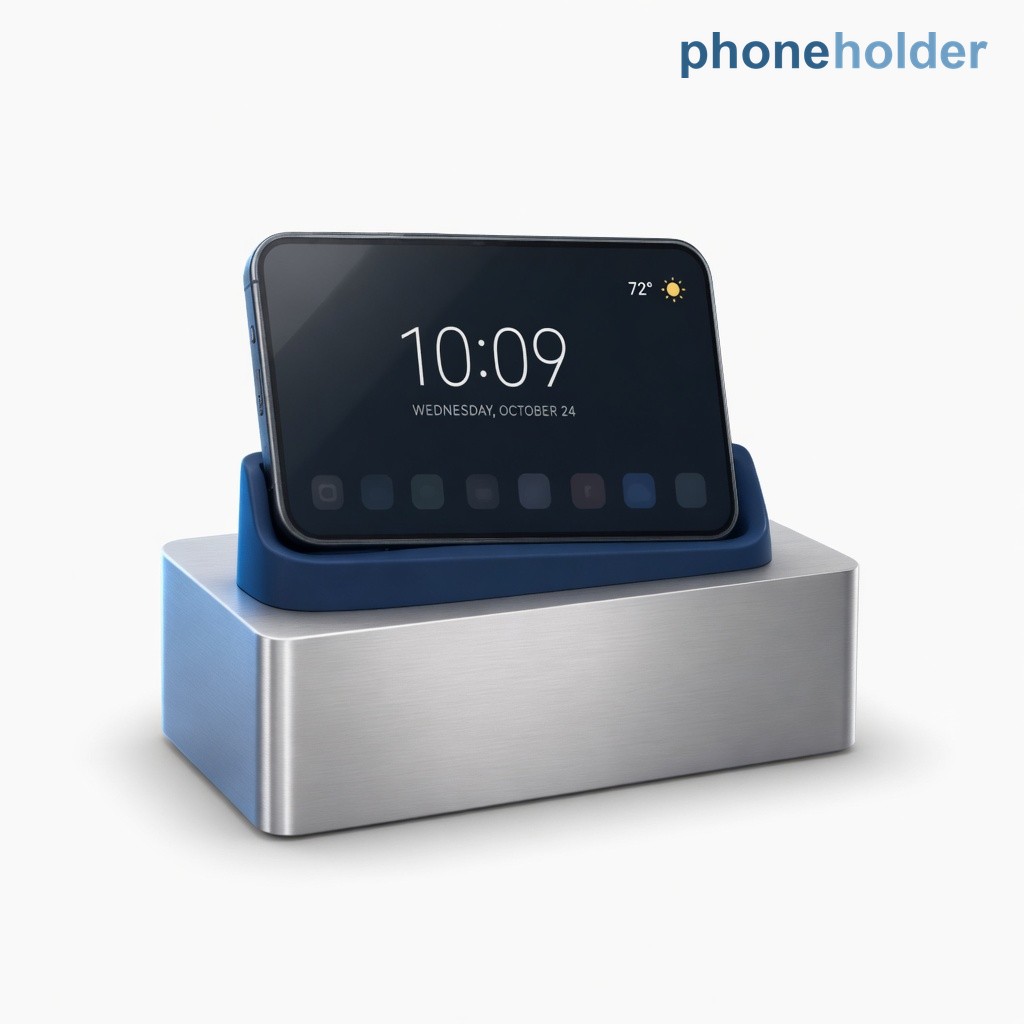
 Desk Dock
 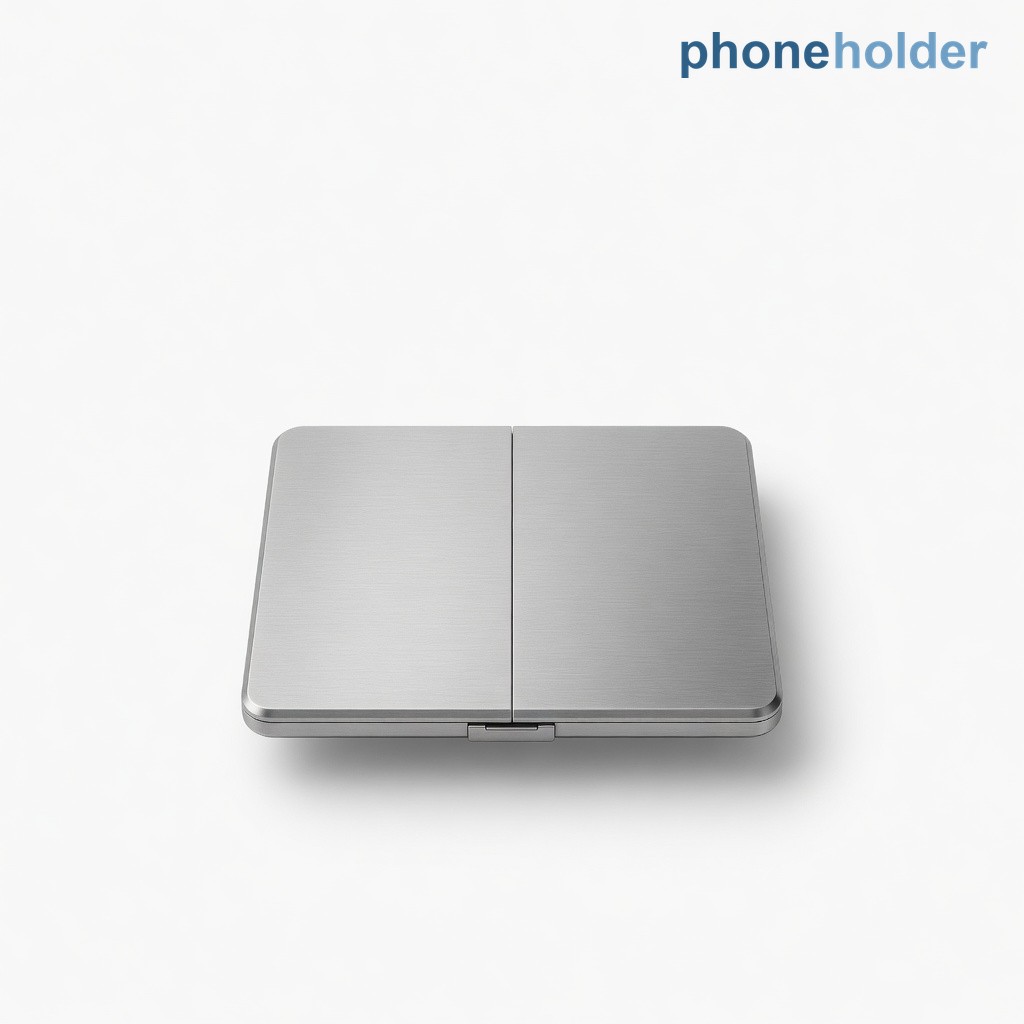 Travel Dock
 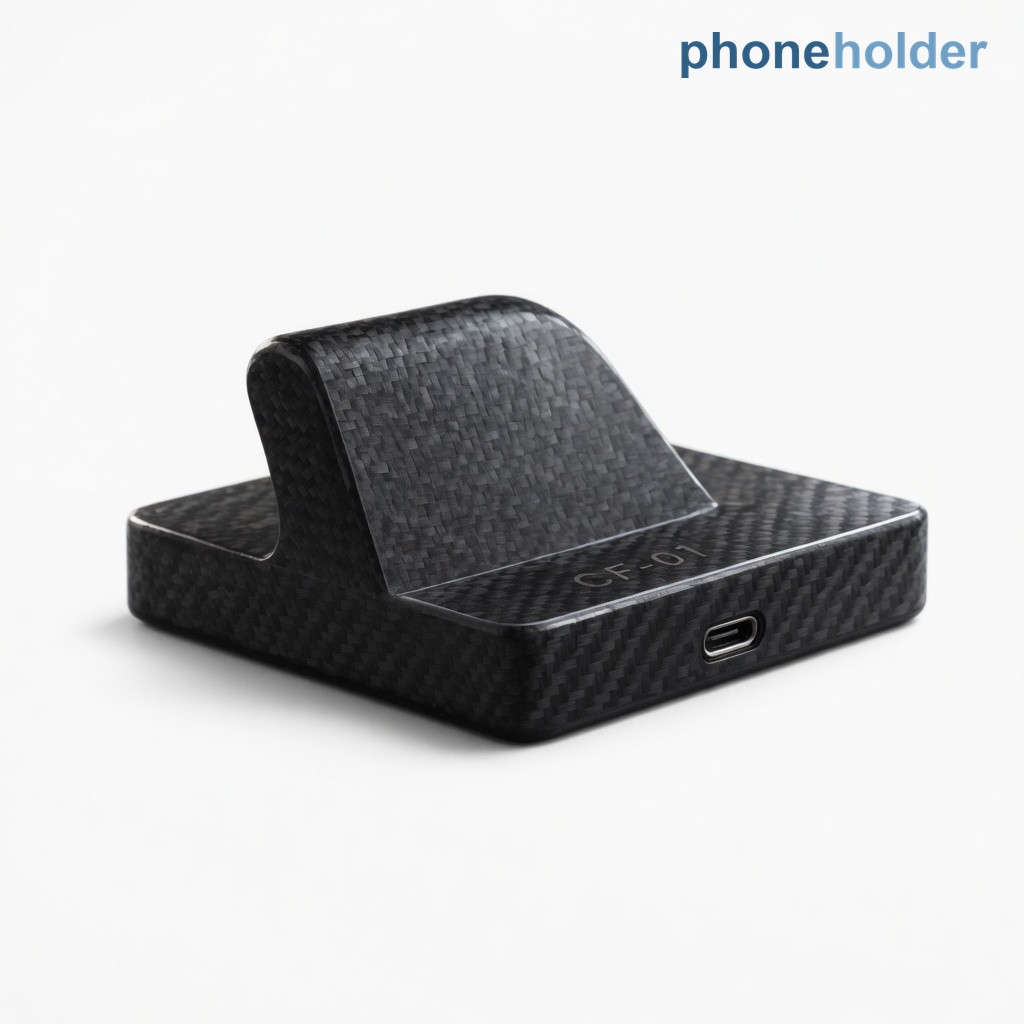 Carbon Dock
 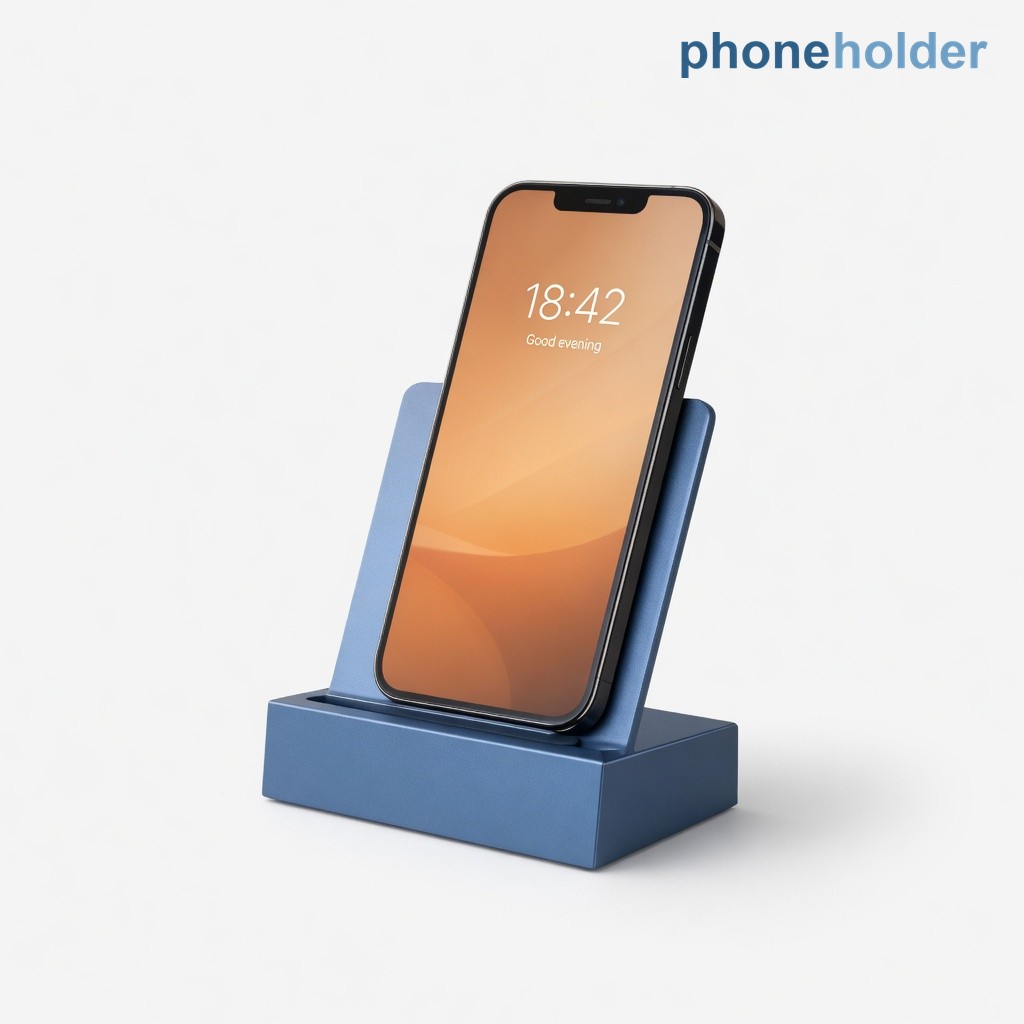 Aurora Dock
 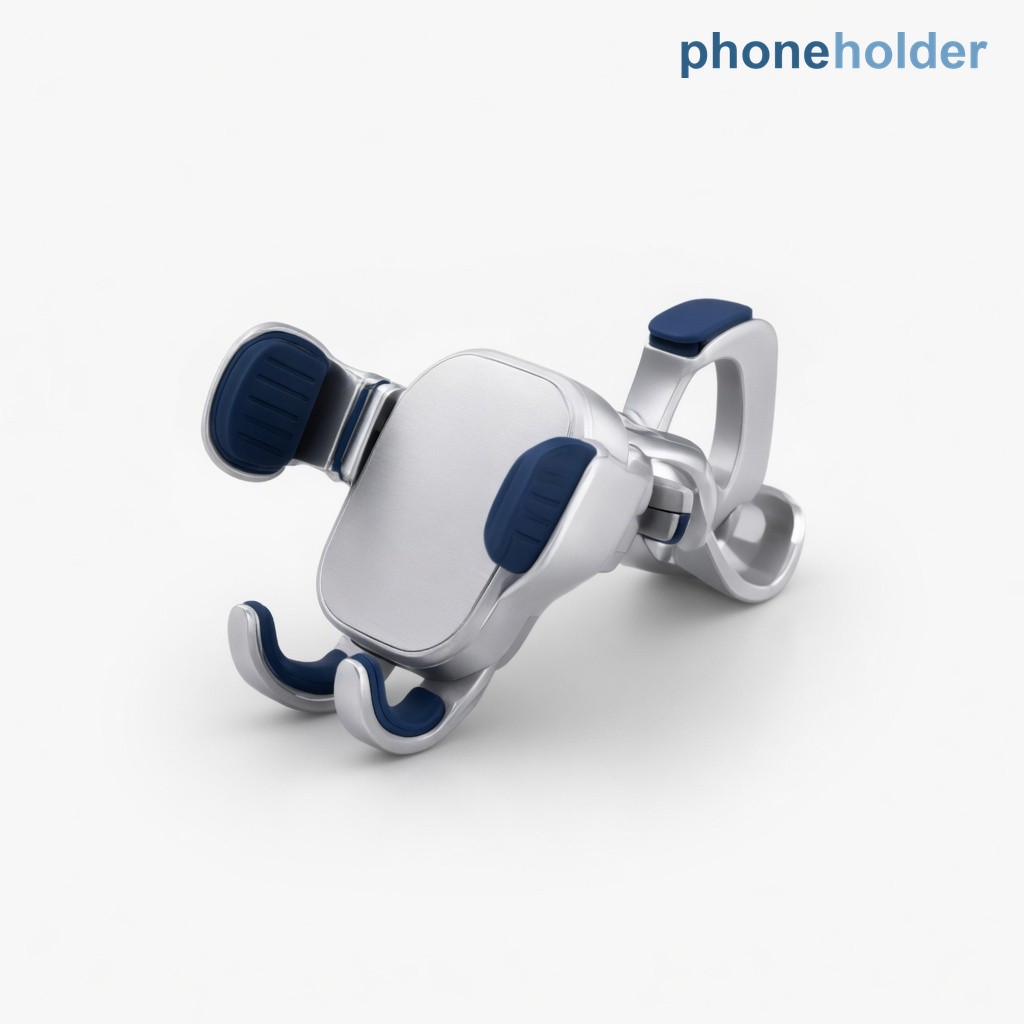 Car Vent Clip
 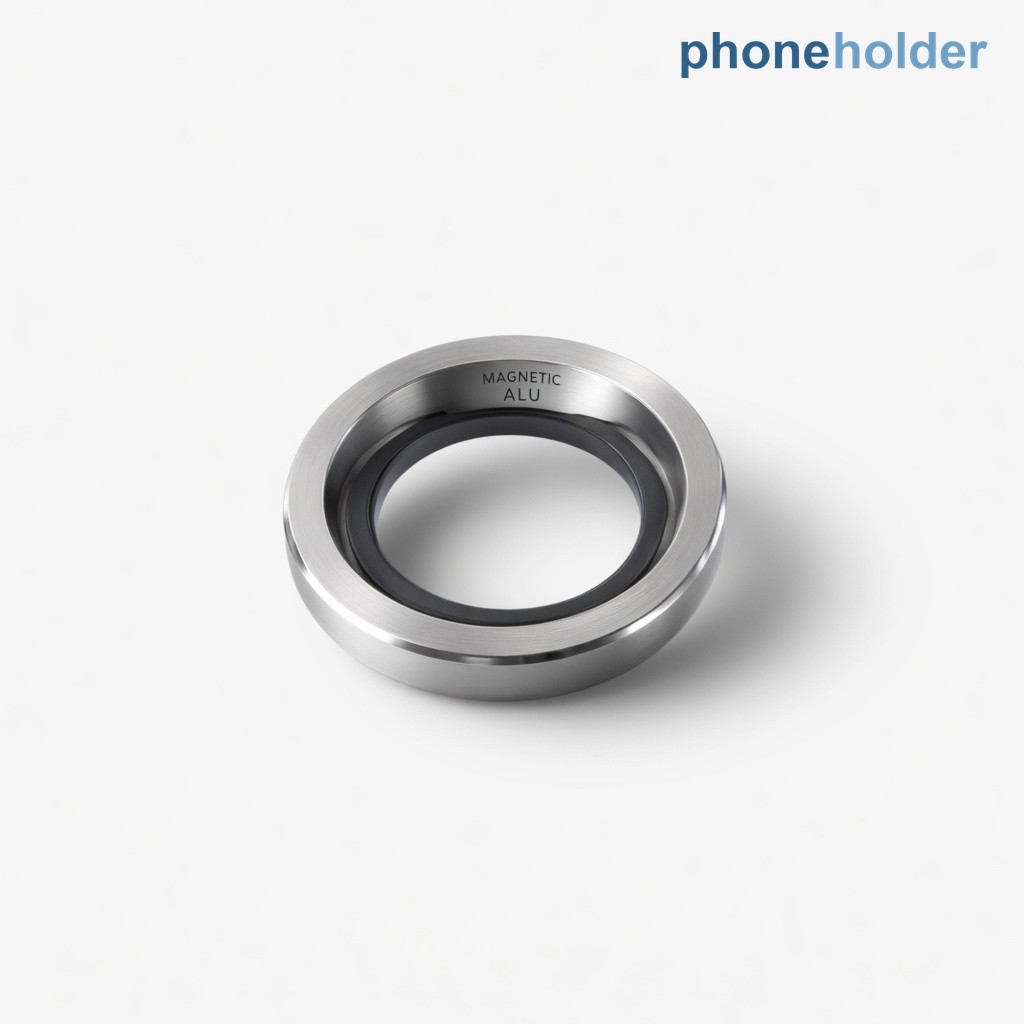 Mag Grip Ring
 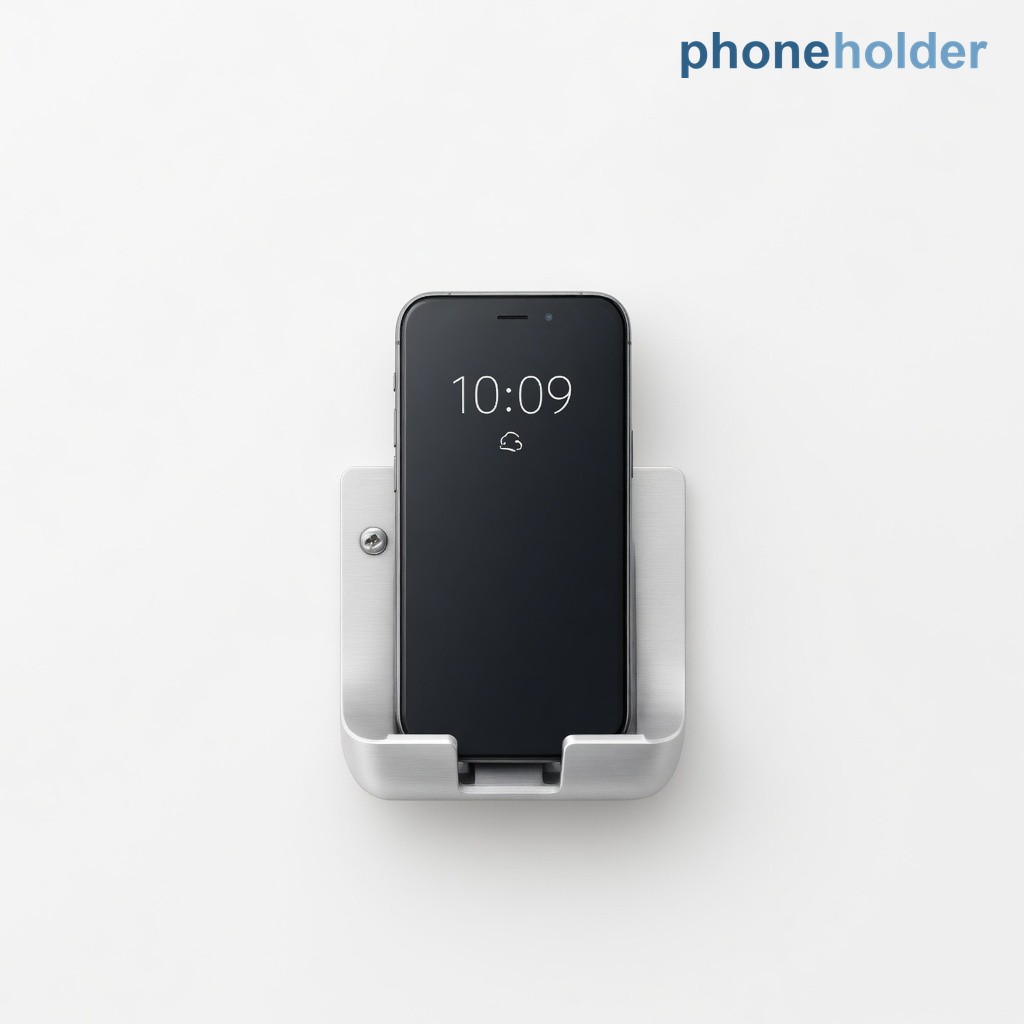 Wall Mount
 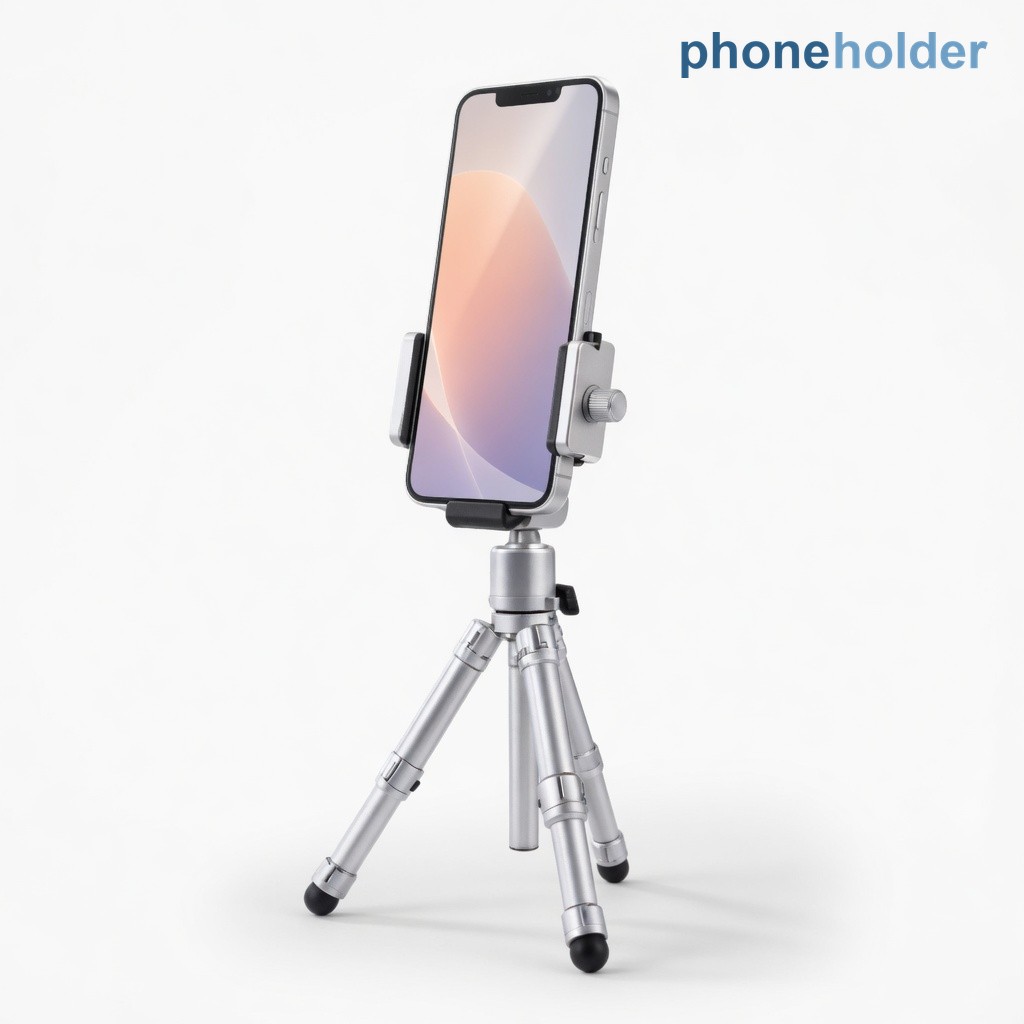 Folding Tripod
 A phone holder for bed solves one problem, holding the screen where your eyes are without your arms doing it, and creates two new ones: the phone is now above or beside your head, and whatever holds it has to attach to a bed that was not designed for accessories. Which type works depends on how you actually lie. This guide sorts bed phone holders by position (on your back, on your side, sitting up) and by where they attach, with our own products as examples and their unverified specs left unverified.
We sell these and have not load-tested any of them. If a holder is going to sit above your face, the honest advice is at the end.
Start with how you lie
| Position | What you need | Best type | Weak type |
|---|---|---|---|
| Flat on your back | Screen roughly above your face, tilted toward you | Gooseneck clamp on the headboard or nightstand; overhead arm | Anything resting on the mattress (you can’t see it) |
| On your side | Screen at pillow height, a hand’s width away | Pillow or bean-bag stand on the mattress | Gooseneck (the arm ends up in the wrong plane) |
| Sitting up against the headboard | Screen at chest height, angled up | Bean-bag or pillow stand on your lap or the duvet; a desk-style stand on the nightstand | Overhead arm (too high) |
| Filming or reading a tablet | Fixed position, hands free | Overhead arm; wide clamp on a gooseneck | Soft stands (they sag under a tablet) |
Gooseneck holders (clamp to the bed)
A gooseneck phone holder for bed is a flexible arm between a clamp and a phone cradle. The clamp goes on a headboard, bed frame or nightstand edge; the arm bends to bring the screen over you. Two physical facts decide whether it works:
- Arm length versus stiffness. A long arm reaches further but sags and wobbles more, especially with a large phone. If you tap the screen and the phone bounces for a second, the arm is at its limit.
- Clamp surface. The clamp needs an edge of the right thickness. Round tubular frames and thick upholstered headboards are the usual misfits.
Our Long Gooseneck Phone Holder for Bed is the reach-first option: a white flexible neck linking a phone cradle to a threaded mounting base, for a layout a short desk stand can’t give you. The listing does not publish arm length, clamp opening or a load rating, so check your bed edge and phone against the photos. The Blue Looped Gooseneck Phone Holder with Spring Clip is the lighter version: a looped flexible neck on a spring clip base, quicker to move and better suited to a nightstand edge than a thick headboard. Again, the listing describes the visible structure only.
Set any gooseneck up with the phone in it, then let go slowly. If the arm drifts, shorten the reach by adding a bend rather than pushing the clamp further out.
Pillow and bean-bag stands (rest on the mattress)
For side sleepers and for sitting up, the simplest answer is a soft stand that sits on the bed. Nothing to clamp, nothing above your face, and it moves with you. The trade-off is that it needs a reasonably flat patch of mattress or duvet, and it holds a phone, not a tablet.
- The Green Character Pillow Phone Stand has a broad sloping panel and a raised front cushion lip that stops the phone sliding forward. The supplier lists it for phones and reading devices, but gives no dimensions or supported device sizes, and the cover is not confirmed as removable or washable.
- The Green Striped Bean Bag Phone Holder is a triangular fabric body with a raised front ledge: rest the phone against the slope, lower edge behind the ledge. Filling, cover composition and supported phone size are unverified, so check balance with your own phone before you rely on it.
Both work best when the screen is at the height of your eyes as you lie, which usually means putting the stand on the pillow next to you rather than on the mattress.
Overhead arms (for filming and tablets)
If you want the phone directly above you, an overhead mount is built for the job: a folding articulated arm on a screw-style edge clamp. The Folding Articulated Overhead Phone Mount is that type, with a side-grip phone cradle and visible hinge fasteners. The supplier confirms it folds; arm reach, clamp opening, load capacity and weight are not published. For a tablet rather than a phone, pair a gooseneck or arm with the Wide Phone and Tablet Clamp with Red Corner Pads, a wide cradle with sliding jaws; the listing again describes structure only, so check the cradle against your device.
Adjust an overhead arm with the phone supported in one hand and confirm every joint is tight before letting go. This is the one type where a failure lands on your face.
Keeping the phone off your face
- Never position a clamp-and-arm holder so the phone’s fall line is over your eyes. Offset it to the side and tilt the screen toward you.
- Use a case with some grip; smooth phones slide out of open cradles more easily.
- Check the clamp every few days. Goosenecks loosen at the clamp joint, not the arm.
- Keep charging cables out of the arm’s bend so they don’t pull the cradle down.
Quick answers
What is the best device to hold my phone in bed? For lying on your back, a gooseneck clamped to the headboard or nightstand. For lying on your side or sitting up, a pillow or bean-bag stand on the mattress. Match the type to the position, not the other way round.
What is the best phone holder for bed if I read for a long time? A soft stand at eye level next to you, because it lets you change position without re-bending an arm. Our phone stand height and angle guide explains the neck-angle side of this.
How do I hold a phone while lying in bed without my arms getting tired? Don’t hold it. Put it in a stand at eye height beside you, or in a gooseneck above you angled slightly to one side.
Can a gooseneck hold a tablet? Only with a wide cradle and a short, stiff arm. A long arm with a tablet on the end will sag; the listings here publish no load rating, so treat tablets as unsupported unless you test it yourself.
Checklist before you order
- Decide the position you use most: back, side or sitting.
- For a clamp type, measure the edge you’ll clamp to.
- For a soft stand, make sure you have a flat patch at eye level.
- Check the phone in its case against the cradle or lip.
- Set up with the phone supported and confirm nothing is above your face.
Everything above is $19.99 at the time of writing. If you’re not sure which type suits your bed, send us a photo of the headboard and we’ll say which to rule out.
Editor’s note: product facts come from each listing on this site and its supplier information. We have not load-tested arms, clamps or stands. Drafted with AI assistance and reviewed by the Holderphone team.