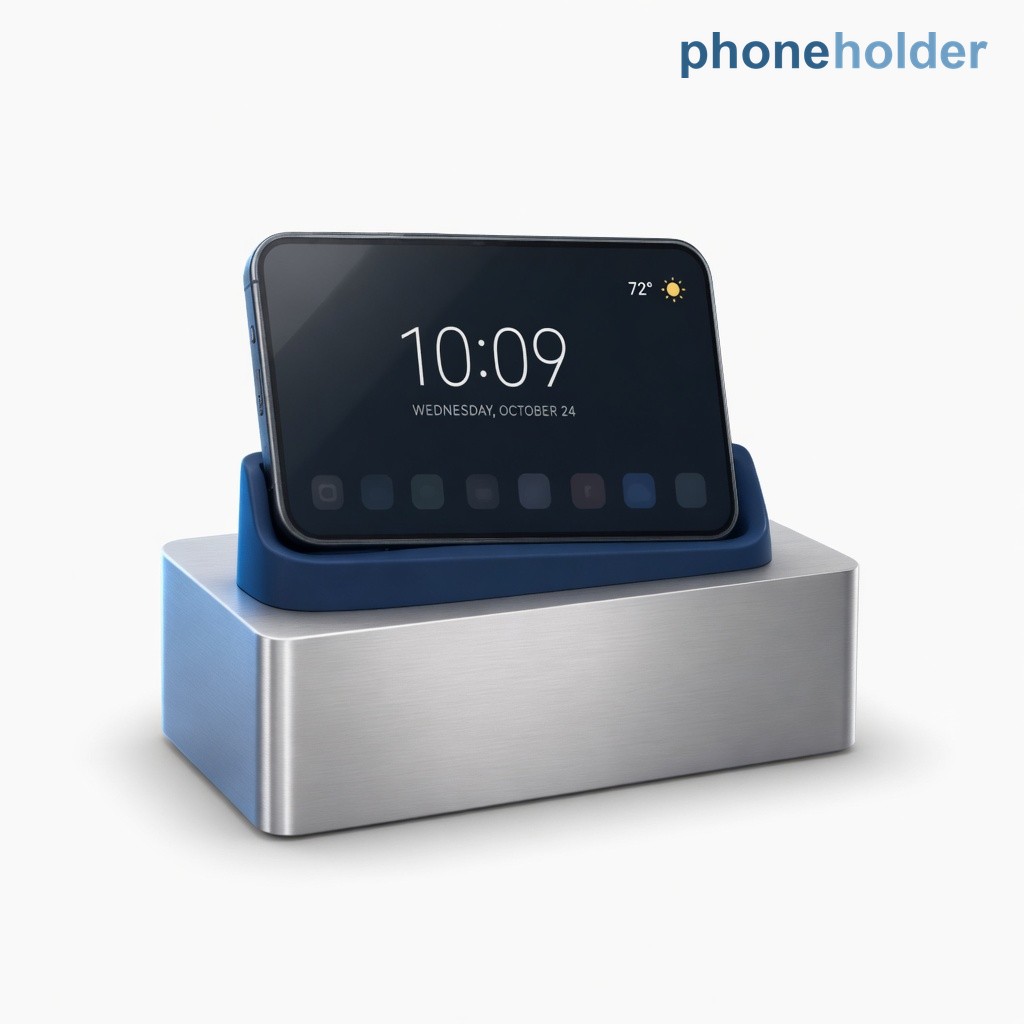
 Desk Dock
 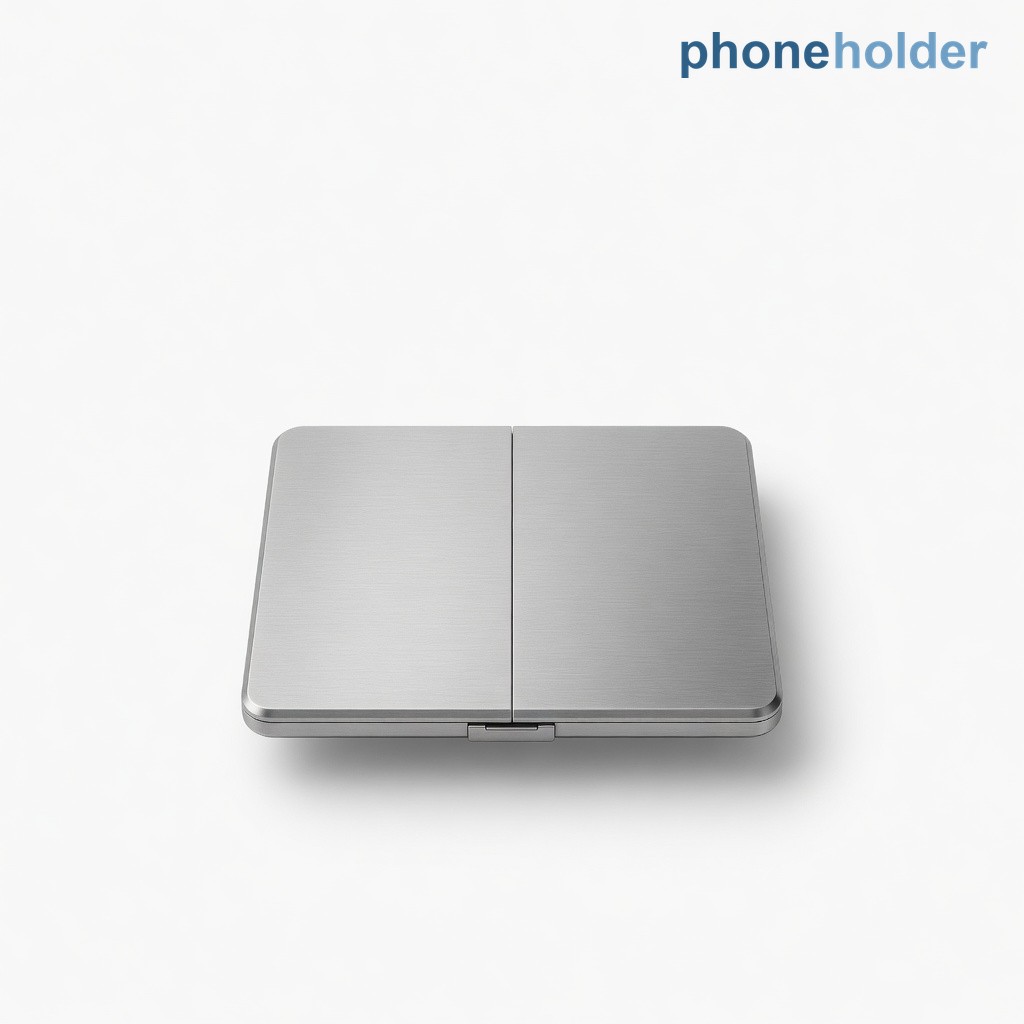 Travel Dock
 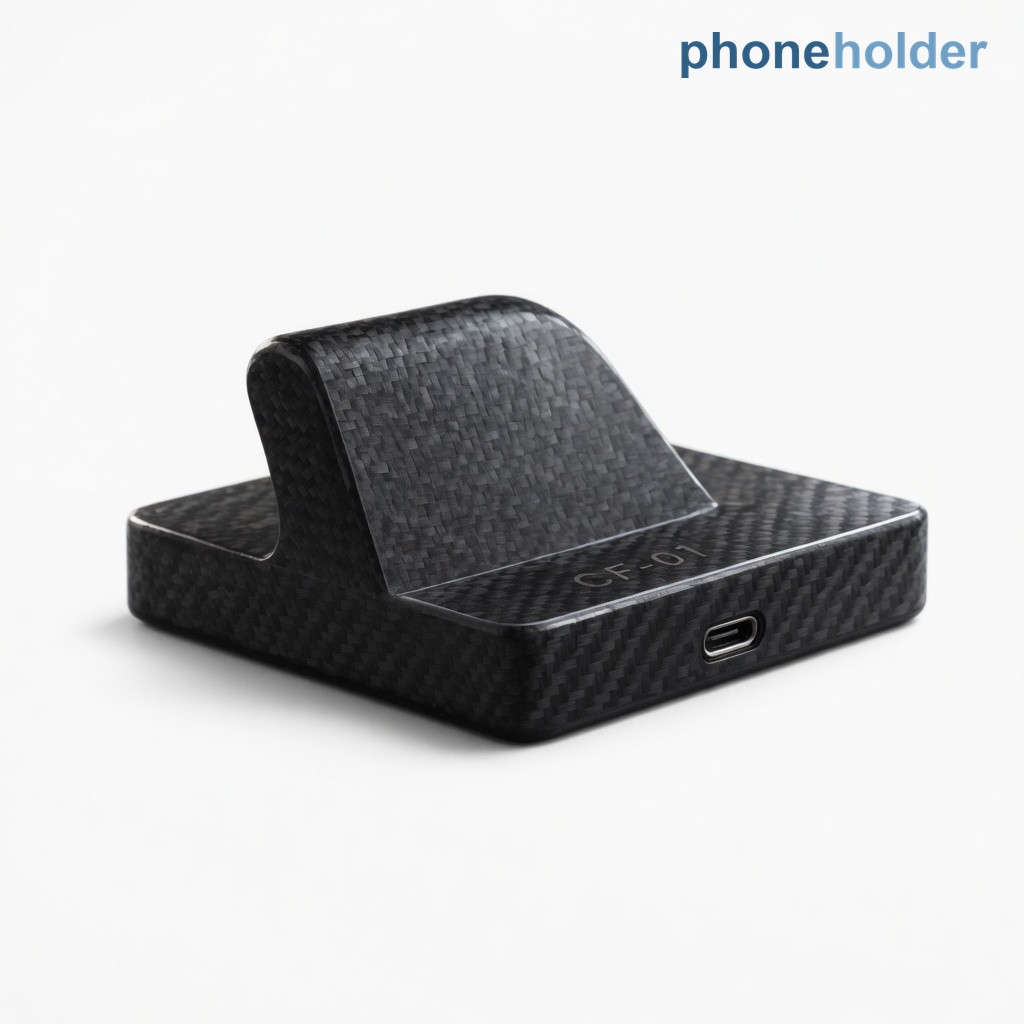 Carbon Dock
 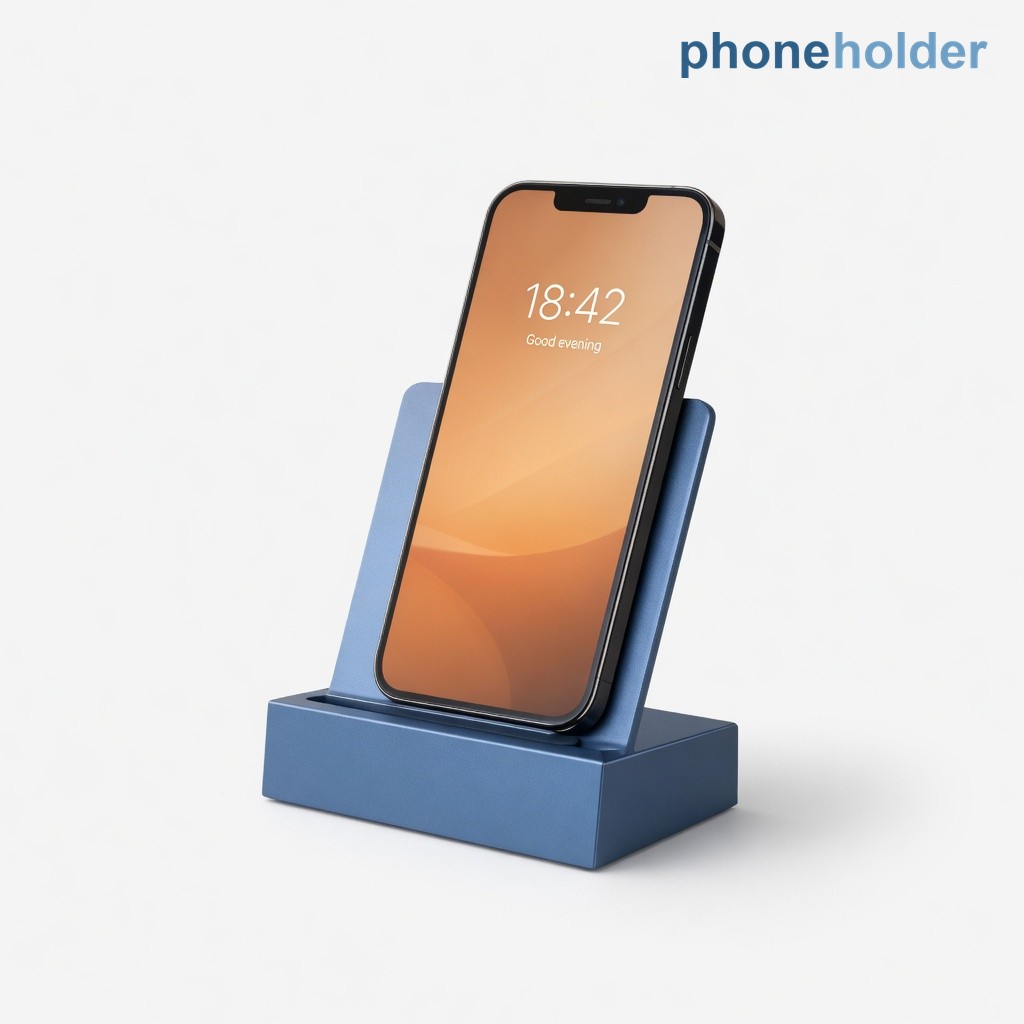 Aurora Dock
 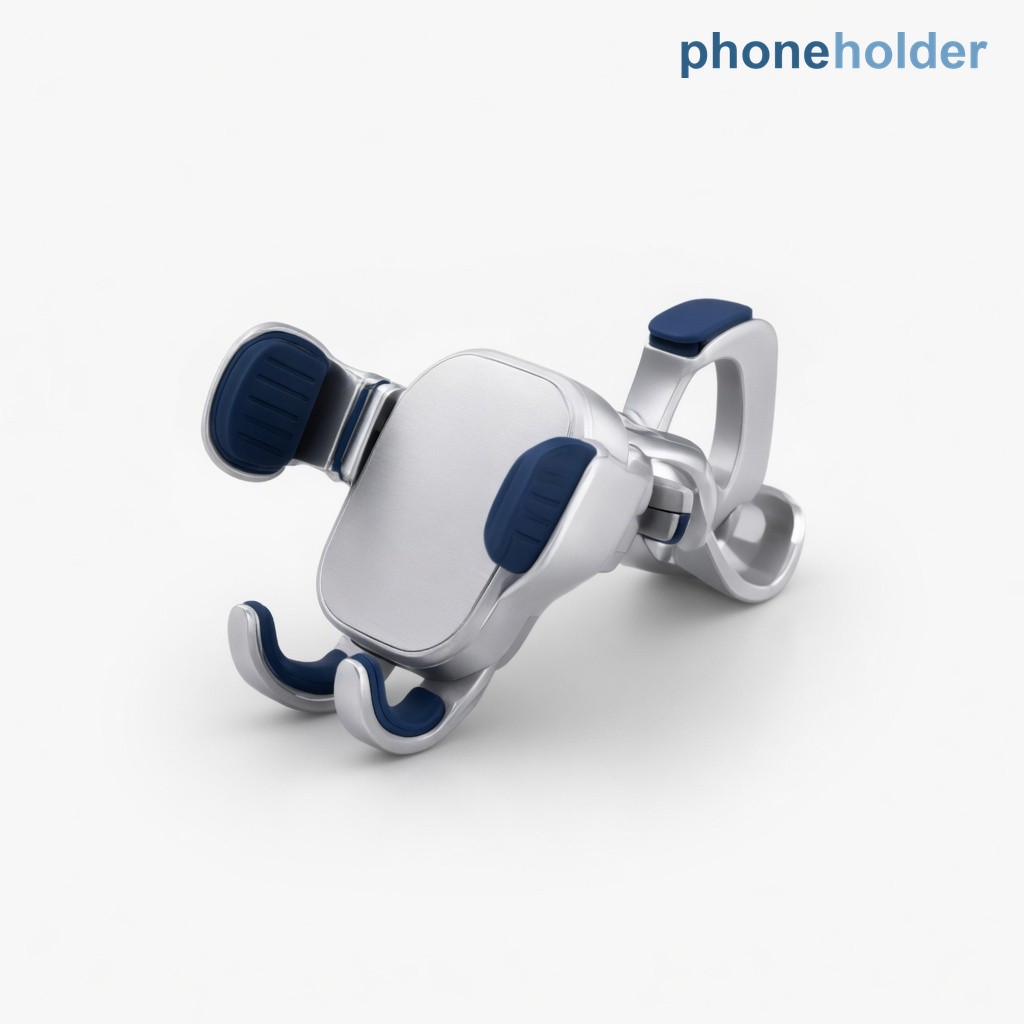 Car Vent Clip
 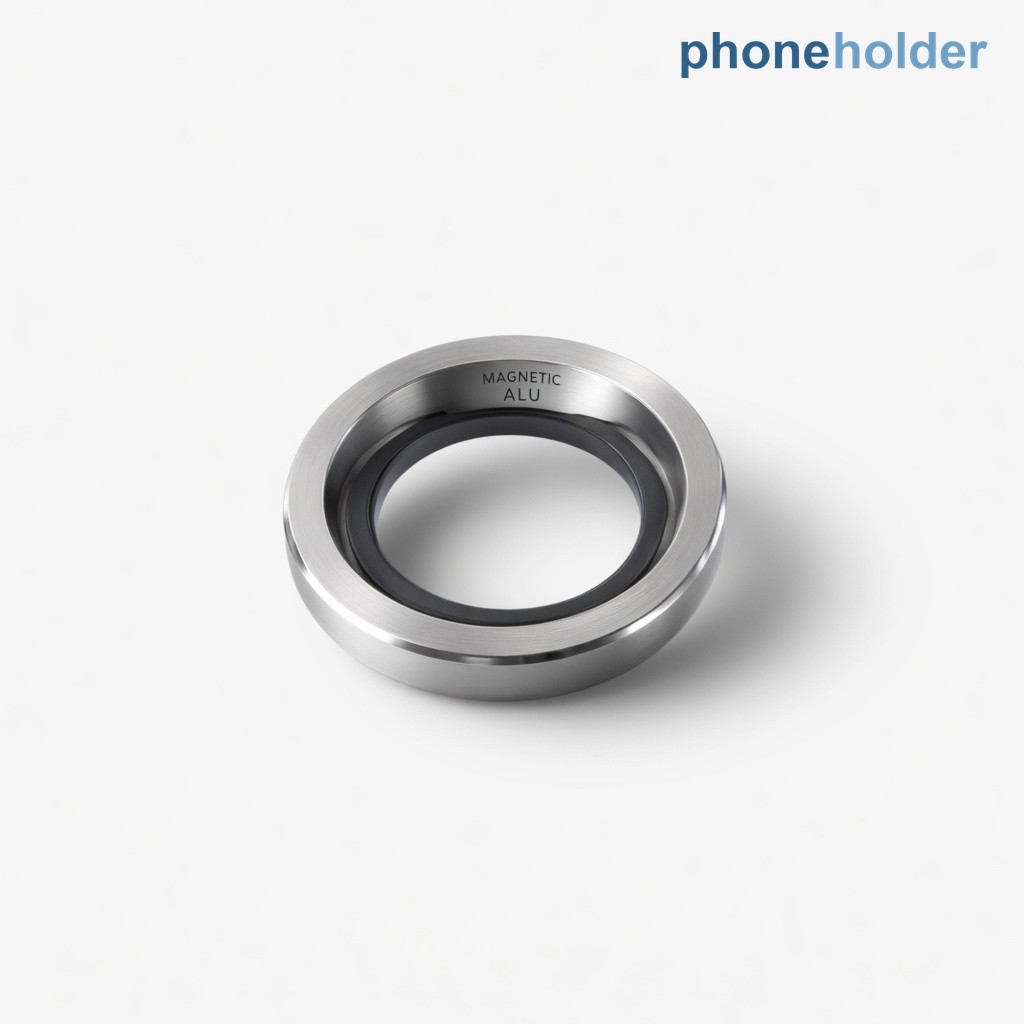 Mag Grip Ring
 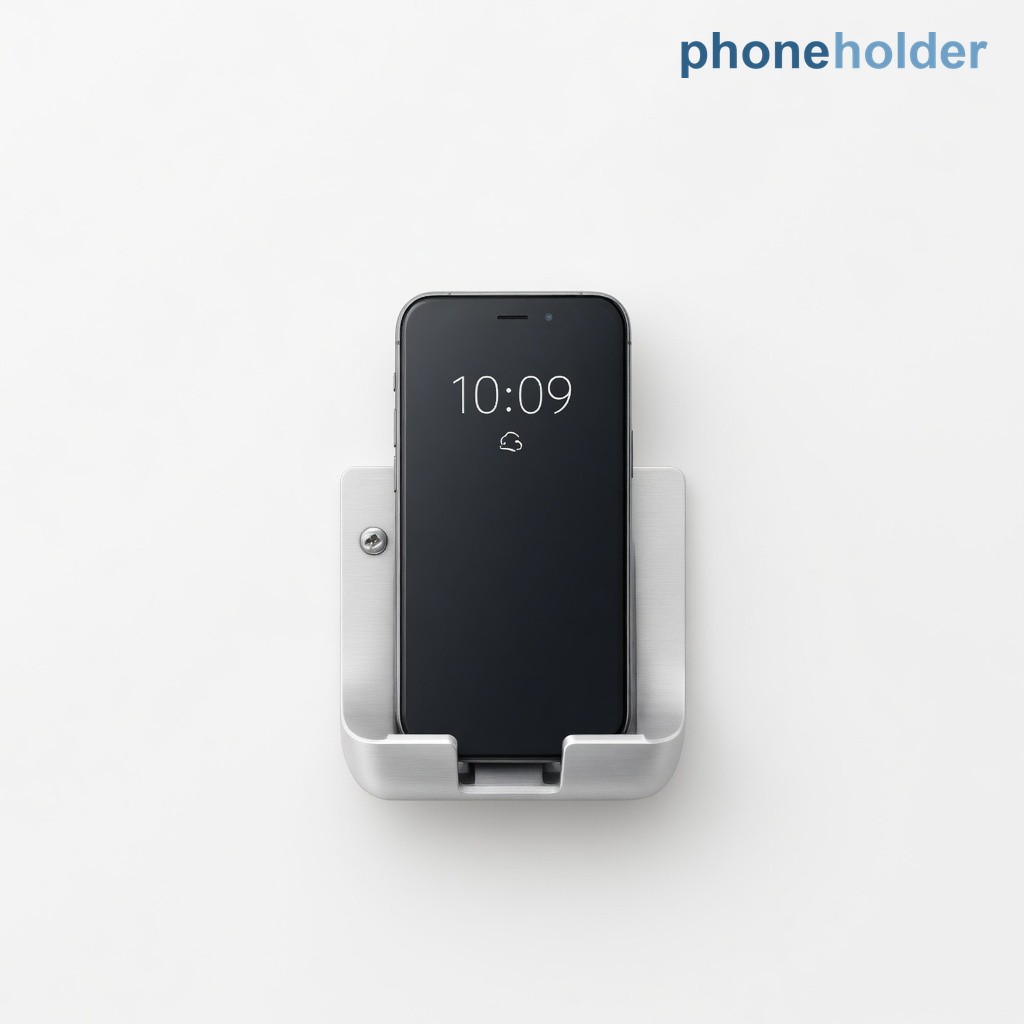 Wall Mount
 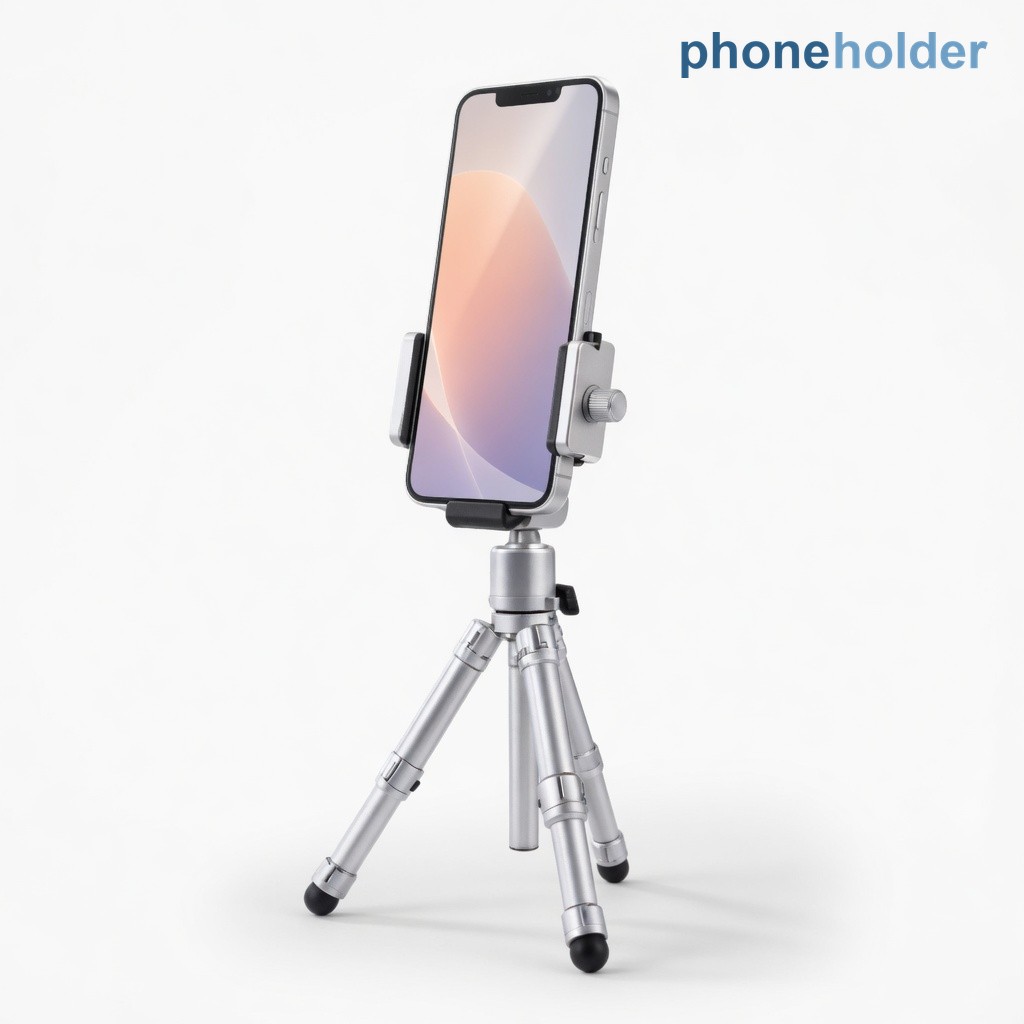 Folding Tripod
 A foldable phone stand solves the problem of a stand you can carry, and creates the problem of a stand that tips. The reason is simple: folding flat means a small footprint, and a small footprint under a tall phone is a lever waiting for a tap. The stands that work are the ones whose open shape puts the phone’s weight back over the base. This guide gives you a one-line test for that, explains what extra hinges cost, sorts folding stands by shape, and uses our own stands as examples with the honest note that most of their listings describe the visible parts only.
We sell these and have not load-tested or tip-tested any of them.
The one test
Open the stand, put the phone on it at the angle you’ll use, and look from the side: is the phone’s center of gravity inside the base? If the phone leans back past the rear foot, a tap on the top of the screen tips it. If the base extends behind the phone’s lean, it stays. Everything else (material, finish, price) matters less than this.
What hinges cost you
Every hinge is a joint that can loosen, and a stand that folds in three places has three of them. Adjustable is useful; over-adjustable wobbles. Prefer the fewest hinges that give you the angle you need, and prefer hinges with visible barrels or friction stops over thin plastic ones. Our stop your phone wobbling guide covers the fixes when you already own a wobbly one.
Folding shapes and what they’re for
| Shape | Folds to | Base when open | Suits |
|---|---|---|---|
| Stacked plates with a center spine | A flat bar | Long and narrow | Bag, laptop sleeve, travel |
| Hinged arm on a broad base | A low block | Wide | Permanent desk spot, rotates |
| Multi-arm hub (four arms or V-arms) | A compact cross or bar | Spread arms | Bedside, small desks |
| X-shaped limbs | A flat X | Four tips | Tables you don’t want scratched; lightest |
| Wallet or card stand on the phone | Onto the phone | The phone’s own width | Nothing to carry separately |
Stacked plates
The Silver Folding Desk Phone Stand, Closed Profile is the travel shape: stacked plates, a folded center spine, hinge barrels and rounded edges, shown closed. The listing confirms nothing beyond the closed profile, so do the side-view test with your own phone before you trust it with a tall one.
Hinged arm on a broad base
The Rotating Foldable Desk Phone Stand is the desk shape: a rounded backplate with a center contact pad, two front ledges, parallel support rails and a broad rotating base. The supplier lists an aluminum-alloy frame in a graphite finish; the range of movement is not specified. Because the base is wide, it passes the side-view test at most angles, which is why it’s the shape to keep at a fixed desk.
Multi-arm hubs
Two of ours fold around a central pivot rather than a spine: the Black Four-Arm Folding Desk Phone Stand, four arms on a round hub with ribbed end pads and a rear strut, and the Silver V-Arm Folding Desk Phone Stand, two V-shaped arms on a round pivot with black end caps. Both listings describe visible structure only, with device limits and load rating unconfirmed. Their strength is that the spread arms make a wider base than a spine does; their weakness is that the pivot is the single point everything depends on.
X-shaped limbs
The Black Ribbed X-Shaped Phone Stand is four limbs in an X with ribbed ends and small tip holes, shown flat. The listing notes suction performance has not been verified, so don’t count on the tips holding the table. It is the lightest thing here and the least likely to scratch a surface.
Plate slots
Not strictly folding, but often bought alongside: the Silver Three-Slot Plate Desk Phone Stand gives three plate slots at fixed angles on a round base disc, with two lower feet and a top contact strip. Fixed angles mean no hinges to loosen; the trade-off is no adjustment.
Stands that live on the phone
If you’d rather carry nothing, a wallet stand attaches to the phone itself. The Light Blue Hinged Wallet Phone Stand is a magnetic folding card wallet and stand per the supplier, with a stitched edge and a central hinged strip; card capacity, opening angle and magnetic strength are unverified, and magnetic mounting doesn’t establish wireless-charging compatibility.
Height and angle
A folding stand that passes the tip test can still be at the wrong height for calls or reading. Our phone stand height and angle guide covers where the screen should sit.
Quick answers
Are foldable phone stands stable? The wide-base ones are; the flat-folding ones depend on the angle you set. Use the side-view test with your own phone.
Which foldable phone stand is best for travel? A stacked-plate stand or a wallet stand on the phone, because both fit a sleeve. Expect to keep the angle modest for stability.
Do folding stands work with a case? Usually, but a thick case moves the phone’s weight back and can fail the tip test at an angle a bare phone passes. Test with the case on.
Metal or plastic? Metal resists hinge wear better and weighs more, which helps stability. None of our listings verify material beyond the supplier’s word, so treat that as a claim.
Checklist before you order
- Decide where it lives: bag, desk or bedside. That picks the shape.
- Do the side-view test in your head from the product photos, then for real when it arrives.
- Fewest hinges that give the angle you need.
- Test with your case on.
- If it will be moved daily, prefer a spine or hub design over thin plastic joints.
Everything above is $19.99 at the time of writing. Tell us where you’ll use it and we’ll say which shape to rule out.
Editor’s note: product facts come from each listing on this site and its supplier information. We have not tip-tested or load-tested any stand. Drafted with AI assistance and reviewed by the Holderphone team.